Updated planning guide for 2026-2027
Complete Guide To Africa Expeditions: 2026-2027
Planning an expedition to Africa? This comprehensive guide covers everything you need to know, from choosing destinations and understanding seasonality to packing essentials, safety, and booking your adventure for 2026-2027.
WhatsApp +255747477898 | climb4africa@gmail.com | climb4africa@gmail.com

Your Complete Guide to Africa Expeditions
Africa, a continent of unparalleled diversity and breathtaking landscapes, calls to the adventurous spirit. From the vast savannas teeming with wildlife to the majestic peaks of Kilimanjaro and the spice-scented shores of Zanzibar, planning an African expedition is a journey in itself. This guide provides an in-depth look at what goes into creating an unforgettable African adventure, focusing on practical advice and essential details for travelers looking to explore this incredible continent. Whether you dream of spotting the Big Five on a safari, conquering Africa’s highest peak, or relaxing on tropical beaches, this complete guide to Africa expeditions will equip you with the knowledge to plan your trip for 2026-2027.
Quick Overview: Africa Expeditions
| Aspect | Details |
|---|---|
| Primary Focus | Wildlife safaris, cultural immersion, mountain trekking, beach holidays. |
| Popular Destinations | Tanzania (Serengeti, Ngorongoro, Kilimanjaro, Zanzibar), Kenya, South Africa, Botswana, Rwanda, Uganda. |
| Key Activities | Game drives, walking safaris, chimpanzee/gorilla trekking, mountain climbing, cultural tours, historical site visits, diving/snorkeling. |
| Best Time to Travel | Varies by region; generally dry seasons (June-October, January-February) for safaris and trekking. Wet seasons can offer unique experiences and fewer crowds. |
| Travel Styles | Budget camping, mid-range lodges, luxury tented camps, private guided tours. |
| Typical Duration | 7 days (short safari/Zanzibar) to 3+ weeks (multi-country or extensive trekking). |
| Considerations | Health precautions (malaria, vaccinations), visa requirements, packing for varied climates, budget, physical fitness (for trekking). |
Table of Contents
- What is an African Expedition?
- Why Choose an African Expedition?
- Top Destinations for Your Expedition
- Understanding Seasonality: When to Go
- Planning Your Route: A Sample Itinerary Logic
- Kilimanjaro Trekking: A Deeper Dive
- The Classic Safari Experience
- Zanzibar: Beyond the Beaches
- What to Expect on Your Expedition
- Packing and Preparation Essentials
- Common Mistakes to Avoid
- Who is an African Expedition Best Suited For?
- Alternatives to Traditional Expeditions
- Planning Your 2026-2027 Expedition
- Booking Your African Expedition: Expert Tips
- Frequently Asked Questions
What is an African Expedition?
An African expedition is more than just a holiday; it’s an immersive journey designed to explore the continent’s natural wonders, rich cultures, and unique wildlife. While the term can be broad, it typically refers to trips that involve a significant degree of adventure, exploration, and often, a focus on specific activities like wildlife viewing in national parks, trekking to high altitudes, or exploring remote regions. These expeditions are characterized by their focus on authentic experiences, often requiring careful planning and a spirit of adventure. For many, an expedition to Africa is a lifelong dream, involving a commitment to experiencing the continent’s raw beauty and diverse ecosystems firsthand.
Why Choose an African Expedition?
Africa offers a travel experience unlike any other. The sheer scale of its landscapes, the intensity of its wildlife encounters, and the depth of its cultural heritage make it a compelling destination for those seeking more than a typical vacation. Here’s why an African expedition stands out:
- Unrivaled Wildlife Viewing: Witnessing animals in their natural habitat – the Great Migration in the Serengeti, elephants in Chobe, gorillas in Rwanda – is a profound experience.
- Breathtaking Natural Beauty: From the plains of the Serengeti and the peaks of Kilimanjaro to the beaches of Zanzibar and the Okavango Delta, the scenery is spectacular.
- Rich Cultural Diversity: Encounter ancient traditions, vibrant communities, and the warmth of African hospitality.
- Adventure and Challenge: Activities like climbing Kilimanjaro, walking safaris, or exploring remote areas offer a sense of accomplishment and thrill.
- Sense of Discovery: Africa is a continent that still feels wild and untamed, offering a genuine sense of exploration.
- Conservation Impact: Choosing responsible tour operators can contribute to vital conservation efforts and local community development.
Top Destinations for Your Expedition
Africa is vast, and choosing where to go is the first exciting step. For many first-time expedition planners, Tanzania is a prime starting point due to its iconic landscapes and diverse offerings. However, other countries provide unique expedition experiences.
Tanzania: The Jewel of East Africa
Tanzania is a powerhouse for African expeditions, offering a concentrated collection of world-class experiences:
- Serengeti National Park: Famous for the Great Migration, vast plains, and abundant predators. Ideal for classic safaris.
- Ngorongoro Conservation Area: A UNESCO World Heritage Site featuring a caldera teeming with wildlife, offering incredible density of animals.
- Mount Kilimanjaro: The highest freestanding mountain in the world, a bucket-list trekking challenge.
- Zanzibar Archipelago: Exotic islands with white-sand beaches, historical Stone Town, and vibrant marine life. Perfect for relaxation and cultural exploration post-safari or trek.
- Tarangire National Park: Known for its large elephant herds and baobab trees.
- Lake Manyara National Park: Famous for tree-climbing lions and diverse birdlife.
Other Notable Destinations:
- Kenya: Maasai Mara National Reserve (also part of the Great Migration), Amboseli National Park (iconic Kilimanjaro backdrop).
- South Africa: Kruger National Park (well-developed infrastructure, diverse wildlife), Cape Town (scenic beauty, culture).
- Botswana: Okavango Delta (unique water-based safaris), Chobe National Park (large elephant populations).
- Rwanda & Uganda: Gorilla trekking in Volcanoes National Park (Rwanda) or Bwindi Impenetrable Forest (Uganda), chimpanzee tracking in Kibale.
- Namibia: Dramatic desert landscapes, Etosha National Park, Sossusvlei dunes.
Understanding Seasonality: When to Go
The best time for your African expedition depends heavily on your chosen activities and destinations. Africa experiences distinct wet and dry seasons, which significantly impact wildlife movements, vegetation, and accessibility.
| Season | Months | Tanzania (Serengeti/Ngorongoro) | Mount Kilimanjaro | Zanzibar | General Notes |
|---|---|---|---|---|---|
| Dry Season | June – October | Ideal for game viewing, Great Migration often in the north Serengeti. Vegetation is sparse. Peak: July-September |
Best climbing conditions. Clear skies, less rain, colder at altitude. Peak: June-October |
Pleasant, sunny, less humid, good for beach activities. Peak: June-October |
Generally considered the best time for most safaris and trekking. Higher prices, more crowds. |
| Short Rains | November – December | Scattered showers, wildlife begins to move south. Greener landscapes. Fewer crowds. | Rain showers possible, can make trails muddy. Colder. | Intermittent showers, can be humid. Still good for some beach time. | Shoulder season, potential for good value, but be prepared for rain. |
| Long Rains | March – May | Heavy rains, especially April/May. Lush green landscapes, excellent for birdwatching. Great Migration often in central/western Serengeti. Fewer tourists. | Difficult to climb, trails can be very muddy and slippery. Often closed due to weather. | Heavy rains, can be very humid and stormy. Sea can be rough. | Low season for safaris. Best for birdwatchers and those seeking solitude and lower prices. Kilimanjaro trekking is generally not recommended. |
| Hot/Dry Season | January – February | Calving season in southern Serengeti. Pleasant temperatures, scattered showers possible. Good game viewing. | Rain showers possible, can make trails muddy. Generally accessible. | Hot and humid, but generally sunny with occasional showers. Good for beaches. | Good for safaris, especially for witnessing the wildebeest calving. Shoulder season pricing. |
Planning Your Route: A Sample Itinerary Logic
Most expeditions in Tanzania are designed to maximize experiences while minimizing travel time and logistical complexity. A common and highly effective approach combines Northern Circuit safaris with a Kilimanjaro trek and/or a Zanzibar extension. Here’s a logical flow:
Typical Tanzania Expedition Flow (Example)
- Arrival in Arusha: Most international flights arrive at Kilimanjaro International Airport (JRO). Overnight in Arusha to prepare for the safari or trek.
- Kilimanjaro Trek (Optional): If climbing, this is often the first major activity (e.g., 6-8 days). Post-trek recovery in Arusha.
- Northern Circuit Safari:
- Tarangire National Park: (1-2 days) Famous for elephants and baobabs.
- Lake Manyara National Park: (1 day) Tree-climbing lions and birdlife.
- Ngorongoro Crater: (1-2 days) Descend into the caldera for incredible wildlife density.
- Serengeti National Park: (3-4+ days) Explore different regions based on migration patterns and wildlife interests.
- Departure from Arusha/JRO: Fly out from Kilimanjaro International Airport.
- Zanzibar Extension (Optional): Fly from Arusha (ARK) or Kilimanjaro (JRO) to Zanzibar (ZNZ). Spend time exploring Stone Town and relaxing on the beaches.
- Departure from Zanzibar (ZNZ) or return to Arusha/JRO for international flight.
This structure allows for a logical progression, minimizing backtracking and maximizing time spent on activities. Customization is key, and this is just one example.
Kilimanjaro Trekking: A Deeper Dive
Climbing Mount Kilimanjaro is a highlight for many African expeditions. It requires physical preparation and careful planning.
Choosing Your Route:
There are several routes, each with different scenery, difficulty, and acclimatization profiles. The longer routes generally offer better acclimatization and higher success rates.
- Marangu Route (Coca-Cola Route): The oldest and most direct. Huts instead of camping. Less scenic, lower acclimatization. 5-6 days.
- Machame Route (Whiskey Route): Popular, scenic, and good acclimatization. Camping. 6-7 days.
- Lemosho Route: Very scenic, excellent acclimatization, starts in the west. Camping. 7-8 days.
- Shira Route: Similar to Lemosho but starts at a higher altitude. Camping. 7-8 days.
- Rongai Route: Approaches from the north. Drier, good during rainy seasons. Camping. 6-7 days.
- Northern Circuit: The longest and most scenic, offering the best acclimatization and highest success rates. Camping. 8-9 days.
Key Considerations for Kilimanjaro:
- Acclimatization is King: The slower you go, the better your chances. Longer routes are recommended.
- Physical Fitness: While not technically difficult, it’s a strenuous endurance test. Train with hiking, cardio, and strength exercises.
- Guides and Porters: Use a reputable operator that treats its crew ethically. They are essential for safety and success.
- Gear: Proper gear is crucial for warmth, comfort, and safety.
- Health: Consult your doctor about altitude sickness medication and necessary vaccinations.
The Classic Safari Experience
A safari is often the centerpiece of an African expedition. It’s about patience, observation, and connection with the natural world.
Types of Safaris:
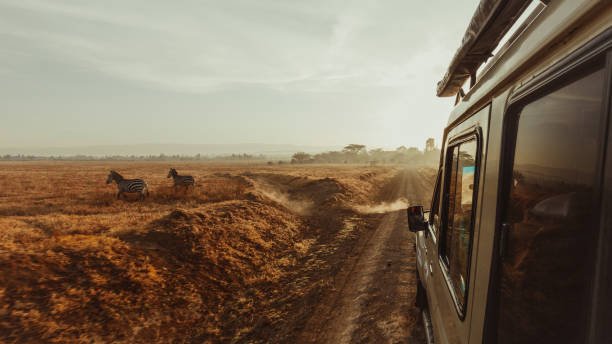
- Game Drives: The most common, typically in custom 4×4 safari vehicles. Morning and afternoon drives are standard.
- Walking Safaris: Offer a more intimate experience, allowing you to connect with the bush on foot. Best in certain areas and with experienced guides.
- Hot Air Balloon Safaris: A breathtaking aerial perspective, often at sunrise, over parks like the Serengeti.
- Night Game Drives: Available in some private concessions, offering a chance to see nocturnal animals.
What to Look For in a Safari Operator:
- Vehicle Quality: Comfortable, pop-top 4x4s are essential for viewing and photography.
- Experienced Guides: Knowledgeable guides enhance the experience significantly.
- Accommodation Options: From comfortable tented camps to luxury lodges, choose what fits your style and budget.
- Itinerary Flexibility: A good operator can tailor the trip to your interests.
- Commitment to Conservation: Look for operators who support local communities and conservation efforts.
Zanzibar: Beyond the Beaches
While famous for its stunning beaches, Zanzibar offers much more for the adventurous traveler.
Key Attractions:
- Stone Town: A UNESCO World Heritage site, a labyrinth of narrow streets, historic buildings, bustling markets, and a rich Swahili-Arabic culture.
- Spice Tours: Discover the island’s history as a spice trading hub.
- Beaches: Nungwi, Kendwa, Paje, Matemwe – each offers a different vibe.
- Marine Activities: Snorkeling and diving at Mnemba Atoll, Jozani Forest (home to the Red Colobus monkey).
- Historical Sites: Old Fort, House of Wonders, slave market sites.
What to Expect on Your Expedition
African expeditions are rewarding but can also be challenging. Understanding what to expect helps manage expectations.
- Varying Road Conditions: Roads within parks and between locations can be rough and bumpy.
- Wildlife Sightings: While animals are abundant, sightings are not guaranteed. Patience is key.
- Early Mornings: Safaris and treks often start early to maximize daylight and animal activity.
- Basic Amenities: Depending on your chosen accommodation, facilities can range from luxurious to very basic, especially on camping safaris or higher on Kilimanjaro.
- Remote Locations: You will be far from major cities and often out of reliable cell service or internet range. Embrace the disconnect.
- Heat and Dust: Expect warm to hot temperatures, especially during dry seasons, and dust on safari tracks.
- Insects: Mosquitoes and other insects are present, especially in warmer, wetter areas.
Packing and Preparation Essentials
Proper preparation is crucial for a comfortable and safe expedition. This is not a trip for last-minute packing!
Essential Packing List:
- Clothing: Lightweight, breathable, neutral-colored clothing (khaki, green, brown). Avoid bright colors. Layers are key for varying temperatures.
- Footwear: Comfortable, broken-in hiking boots (for Kilimanjaro), sturdy walking shoes or trainers for safaris, sandals or flip-flops for camp/lodge.
- Outerwear: A warm fleece or down jacket (essential for Kilimanjaro evenings/mornings and cooler safari nights), waterproof and windproof jacket and trousers.
- Sun Protection: High SPF sunscreen, wide-brimmed hat, sunglasses.
- Insect Repellent: With DEET or picaridin.
- Health Kit: Personal medications, basic first-aid supplies, antiseptic wipes, pain relievers, anti-diarrhea medication, motion sickness medication.
- Toiletries: Biodegradable soap, shampoo, toothbrush, toothpaste. Hand sanitizer is a must.
- Documents: Passport, visa (if required), yellow fever certificate, travel insurance details, flight tickets, vaccination records. Keep copies separate.
- Money: Local currency (Tanzanian Shilling) for tips and small purchases, US Dollars are widely accepted for larger expenses and park fees. Credit cards can be used at larger lodges/hotels, but cash is essential in remote areas.
- Electronics: Camera with extra batteries and memory cards, binoculars, headlamp or flashlight, universal travel adapter, power bank.
- Miscellaneous: Reusable water bottle, daypack, dry bags, trekking poles (for Kilimanjaro), personal journal.
Health and Safety Preparation:
- Consult Your Doctor: Well in advance of your trip, discuss necessary vaccinations (Yellow Fever, Hepatitis A/B, Typhoid, Tetanus) and malaria prophylaxis.
- Travel Insurance: Comprehensive travel insurance covering medical emergencies, evacuation, trip cancellation, and lost luggage is non-negotiable.
- Hydration: Drink plenty of bottled or purified water. Avoid tap water.
- Food Safety: Stick to cooked food and peeled fruits. Be cautious with street food.
- Sun Safety: The equatorial sun is intense. Protect your skin and eyes.
- Wildlife Safety: Never approach or feed wild animals. Always follow your guide’s instructions.
Common Mistakes to Avoid
Planning an African expedition is complex. Avoiding common pitfalls can save you time, money, and ensure a smoother experience.
- Underestimating Acclimatization: Especially crucial for Kilimanjaro. Rushing the ascent leads to altitude sickness and failure.
- Not Booking in Advance: Popular lodges, Kilimanjaro permits, and peak season travel need to be booked months, sometimes a year, ahead.
- Packing Inappropriately: Bright clothing can scare wildlife. Lack of warm layers for Kilimanjaro or evenings can be miserable.
- Ignoring Health Advice: Skipping vaccinations or malaria precautions can have serious consequences.
- Choosing the Cheapest Option: The cheapest tours often cut corners on guide quality, vehicle maintenance, safety, and ethical treatment of staff, which can ruin your trip or be dangerous.
- Over-Scheduling: Trying to see too much in too little time leads to a rushed and exhausting experience. Allow for downtime and flexibility.
- Not Budgeting for Extras: Tips for guides and staff, park fees, souvenirs, drinks, and optional activities add up.
- Lack of Proper Travel Insurance: This is a critical safety net that should never be overlooked.
Who is an African Expedition Best Suited For?
African expeditions appeal to a wide range of travelers, but they are particularly well-suited for:
- Adventure Seekers: Those who enjoy physical challenges, exploration, and stepping outside their comfort zone.
- Nature and Wildlife Enthusiasts: Anyone with a passion for animals, birdwatching, and stunning natural landscapes.
- Photographers: The opportunities for dramatic wildlife and landscape shots are unparalleled.
- Cultural Explorers: Travelers interested in learning about diverse cultures, traditions, and history.
- Those Seeking Meaningful Travel: Individuals who want to connect with nature and cultures on a deeper level, often supporting conservation.
- Active Retirees: Many safaris and gentler treks are accessible to those in good health looking for enriching experiences.
- Families (with older children): Safaris can be incredibly educational and engaging for teenagers and older children. Specific family-friendly lodges and activities are available.
It’s generally less suited for travelers who prefer predictable, resort-style holidays, have significant mobility issues (unless specific accessible tours are arranged), or are uncomfortable with basic amenities and potential challenges.
Alternatives to Traditional Expeditions
While a full-scale expedition is incredible, there are ways to experience Africa with slightly different focus or intensity:
- Short Safaris: If time is limited, a 3-4 day safari in a single park can offer a taste of the wildlife.
- Day Trips from Tourist Hubs: From Arusha or Zanzibar, day trips to nearby attractions (e.g., Arusha National Park, Jozani Forest) are possible.
- Luxury Lodge Stays: Focus on comfort and high-end service at lodges within or near national parks, with guided excursions.
- Cultural Village Stays: Immerse yourself in local life through organized community visits.
- Beach Holidays: Focusing solely on Zanzibar or other coastal destinations for relaxation and water sports.
Planning Your 2026-2027 Expedition
Planning ahead is crucial, especially for trips in popular years like 2026 and 2027. Early booking ensures availability and can sometimes secure better rates.
- Define Your Priorities: What do you absolutely want to see or do? Wildlife? Trekking? Culture? Beach?
- Set a Budget: African expeditions can range from budget-friendly camping to ultra-luxury. Have a realistic idea of costs.
- Choose Your Destinations: Based on priorities and budget. For Tanzania, consider combining Serengeti, Ngorongoro, Kilimanjaro, and Zanzibar.
- Research Operators: Look for reputable companies with strong reviews, clear ethical practices, and good communication.
- Check Visa Requirements: Research visa needs for your nationality for each country you plan to visit.
- Book Key Elements Early: Kilimanjaro permits and accommodation, peak season safari lodges, and international flights should be booked 6-12 months in advance for 2026-2027.
- Health Consultations: Schedule your doctor’s appointments 4-6 months before your trip for vaccinations and advice.
- Fitness Training: If trekking, start your fitness regimen at least 3-6 months prior.
- Pack Smart: Create a detailed packing list and start acquiring gear early.
Booking Your African Expedition: Expert Tips
Booking the right tour operator is paramount to a successful African expedition. Here’s how to approach it:
| Action | Advice |
|---|---|
| Research Operators | Look for companies specializing in your desired destinations and activities (e.g., Tanzania safaris, Kilimanjaro treks). Check online reviews, ask for recommendations. |
| Compare Itineraries | Ensure the itinerary covers your must-see sights and aligns with your pace. Look for logical flow and sufficient time in key locations. |
| Inclusions & Exclusions | Clarify what’s included (park fees, accommodation, meals, guide, vehicle, activities) and what’s not (tips, drinks, personal expenses, international flights). This impacts the true cost. |
| Understand Accommodation | Ask about the specific lodges, tented camps, or campsites. Quality varies greatly. |
| Ask About Guides | What qualifications do their guides have? How experienced are they? Local guides are invaluable. |
| Payment Terms | Understand the deposit requirements, payment schedule, and cancellation policy. Reputable operators usually require a deposit and full payment closer to the date. |
| Communication is Key | A good operator will respond promptly and thoroughly to your inquiries. They should be transparent and helpful. |
| Ethical Practices | Inquire about their commitment to fair wages for porters and guides, conservation efforts, and community engagement. |
| Booking for 2026-2027 | For peak seasons or specific Kilimanjaro dates in 2026 and 2027, book at least 9-12 months in advance. For shoulder seasons, 6-9 months is usually sufficient. |
Frequently Asked Questions
Q: What is the best time of year for an African expedition in Tanzania in 2026-2027?
A: For safaris and trekking in Tanzania, the dry season from June to October is generally considered the best. January and February also offer good game viewing. For Kilimanjaro, June to October and January-February are ideal. Zanzibar is pleasant year-round, but less humid from June to October.
Q: How much does an African expedition typically cost?
A: Costs vary widely based on destination, duration, accommodation style, and activities. A 7-10 day Tanzania safari expedition can range from $2,500 to $8,000+ per person. Kilimanjaro climbs range from $2,000 to $5,000+. Zanzibar holidays can be $1,500 to $4,000+. It’s essential to get detailed quotes from operators.
Q: Do I need vaccinations for Tanzania?
A: Yes, vaccinations are typically recommended. Yellow Fever vaccination is often mandatory if arriving from a country with risk of Yellow Fever. Other recommended vaccines include Hepatitis A, Typhoid, and Tetanus. Malaria prophylaxis is also usually advised. Always consult your doctor or a travel clinic 4-6 weeks before your trip for personalized advice.
Q: How fit do I need to be for a Tanzania safari?
A: For a standard Tanzania safari involving game drives, moderate fitness is sufficient. You’ll do a lot of sitting in vehicles and short walks. If you plan to do walking safaris or climb Kilimanjaro, a much higher level of physical fitness is required. Kilimanjaro requires dedicated training for months.
Q: What is the Great Migration, and when can I see it?
A: The Great Migration is the annual movement of over 1.5 million wildebeest, zebras, and gazelles across the Serengeti-Mara ecosystem. The exact timing varies, but generally:
- Late May-June: Crossing the Grumeti River (western Serengeti).
- July-October: Crossing the Mara River (northern Serengeti).
- December-February: Calving season in the southern Serengeti.
It’s a year-round phenomenon, but these are peak viewing times for river crossings and calving.
Q: What should I pack for a safari in Tanzania?
A: Pack lightweight, neutral-colored clothing, comfortable walking shoes, a warm jacket for cool evenings, a hat, sunglasses, sunscreen, insect repellent, binoculars, and a camera. Layers are key. For Kilimanjaro, a much more extensive list of technical gear is needed.
Q: Can I do a safari with children?
A: Yes, safaris can be fantastic for families. However, consider the age of your children. Younger children might find long game drives challenging. Many lodges offer family-friendly rooms and activities. It’s best to discuss your family’s needs with your tour operator.
Q: What is the currency in Tanzania?
A: The local currency is the Tanzanian Shilling (TZS). However, US Dollars are widely accepted for park fees, tours, and at many lodges and hotels. It’s advisable to carry some USD in smaller denominations for tips and local purchases, and also have some TZS for markets and smaller shops.
Q: How do I book a Kilimanjaro climb for 2026 or 2027?
A: Book with a reputable tour operator well in advance. They will assist with park fees, permits, guides, porters, and logistics. For 2026 and 2027, booking 6-12 months ahead is recommended, especially for popular routes and dates.
Q: What kind of accommodation can I expect on a safari?
A: Options range from basic but comfortable tented camps (often with shared facilities) to luxury tented camps and lodges with en-suite bathrooms, swimming pools, and fine dining. Your choice will depend on your budget and desired comfort level.
Ready to Plan Your Complete Guide to Africa Expeditions?
An African expedition is a life-changing experience, filled with incredible wildlife, stunning landscapes, and vibrant cultures. Whether you’re dreaming of witnessing the Great Migration, standing on the roof of Africa, or exploring the spice-scented islands of Zanzibar, careful planning is key to making your adventure a success. From understanding the best times to travel and choosing the right routes to packing essentials and booking with a trusted operator, this guide has provided a comprehensive overview.
For personalized advice and to start crafting your bespoke African expedition for 2026-2027, contact our expert team. We specialize in creating unforgettable Tanzania safaris, Kilimanjaro treks, and Zanzibar holidays tailored to your interests and budget.
Let us help you plan your ultimate African adventure.
WhatsApp: +255747477898
Email: climb4africa@gmail.com
Backup Email: climb4africa@gmail.com
Plan your Complete Guide to Africa Expeditions with Climb 4 Africa
Tell us your travel dates, group size, comfort level, and dream experience. We will help you shape a clear, realistic, and memorable Tanzania itinerary.



