Updated planning guide for 2026-2027
Best Time To Visit Mkomazi National Park: Complete Guide 2026-2027
Planning a safari to Mkomazi National Park? This comprehensive guide details the best times to visit for optimal wildlife viewing, considering weather patterns, animal migrations, and specific park activities. Learn about planning your trip for 2026-2027.
WhatsApp +255616946642 | topguideadventures@gmail.com | info@topguideadventures.com

Mkomazi National Park: Your Ultimate Planning Guide
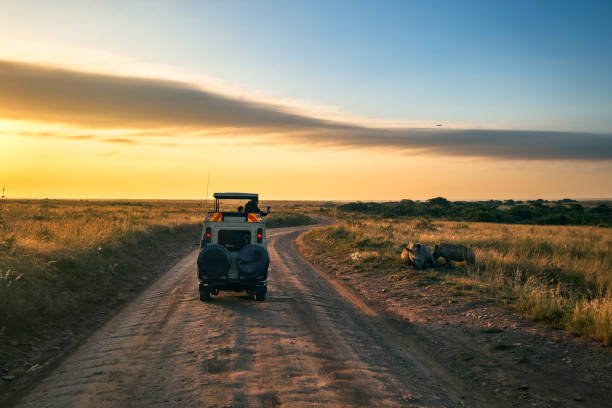
Mkomazi National Park, a vast and rugged wilderness in northern Tanzania, offers a unique safari experience away from the more crowded tourist routes. Known for its commitment to conservation, particularly its successful rhino and wild dog reintroduction programs, Mkomazi provides a raw and authentic glimpse into the African bush. Deciding on the best time to visit Mkomazi National Park is crucial for maximizing your chances of incredible wildlife sightings and enjoying the best possible weather conditions. This guide will walk you through everything you need to know to plan an unforgettable safari to this special reserve, covering seasonality, wildlife, activities, and practical planning details for 2026 and 2027.
Quick Overview: Mkomazi National Park
| Feature | Details |
|---|---|
| Location | Northern Tanzania, bordering Kenya |
| Size | Approximately 3,245 sq km (1,253 sq mi) |
| Key Wildlife | Black Rhino, African Wild Dog, Elephants, Giraffes, Zebras, various antelopes (Gerenuk, Oryx), Lions, Leopards, Cheetahs. Birdlife is abundant. |
| Landscape | Arid savanna, acacia woodlands, rocky outcrops, dry riverbeds. |
| Conservation Focus | Rhino sanctuary, wild dog reintroduction, anti-poaching efforts. |
| Accessibility | Road access from Moshi/Arusha, airstrip for light aircraft. |
| Accommodation | Basic tented camps, lodges (limited), visitor center facilities. |
Why Choose Mkomazi? The Appeal of Mkomazi National Park
Mkomazi is not your typical Tanzanian safari destination. It lacks the vast plains of the Serengeti or the iconic Ngorongoro Crater, but it offers something increasingly rare: a sense of wildness and exclusivity. Its arid environment supports a unique ecosystem and wildlife adapted to drier conditions. The park’s success in breeding and reintroducing endangered species like the black rhino and African wild dog is a major draw for conservation-minded travelers. Visiting Mkomazi means contributing directly to these vital conservation efforts.
The park’s rugged beauty, with its dramatic hills and wide-open spaces, provides a different photographic perspective. It’s a place where you can often have game drives almost entirely to yourself, offering a more intimate wildlife viewing experience. For those seeking to escape the crowds and witness conservation in action, Mkomazi is an exceptional choice.
Understanding Mkomazi’s Climate: The Key to Timing Your Visit
Mkomazi National Park experiences a semi-arid climate, characterized by distinct wet and dry seasons. Understanding these patterns is fundamental to determining the best time to visit Mkomazi National Park for your safari.
- The Dry Season (June to October): This is generally considered the prime safari season across Tanzania, and Mkomazi is no exception. During these months, rainfall is minimal, leading to several advantages for wildlife viewing.
- The Short Rains (November to December): A brief period of less consistent rainfall. The landscape begins to green up, and temperatures can be pleasant.
- The Long Rains (March to May): This is the wettest period. While the landscape becomes lush and beautiful, game drives can be more challenging due to muddy tracks, and some wildlife may disperse. However, it’s also a quieter time with fewer tourists.
- The Hot Season (January to February): This period often coincides with the calving season for some species and can offer good viewing opportunities, though temperatures can be high.
The Best Time to Visit Mkomazi National Park: A Seasonal Breakdown
While Mkomazi can be visited year-round, certain periods offer distinct advantages. The choice depends on your priorities, whether it’s maximizing wildlife sightings, seeking specific species, enjoying pleasant weather, or finding fewer crowds.
June to October: The Peak Dry Season (Prime Safari Time)
This is widely regarded as the best time to visit Mkomazi National Park for optimal wildlife viewing. Here’s why:
- Water Scarcity: With little to no rain, water sources become scarce. Wildlife congregates around the remaining waterholes and rivers, making them easier to spot.
- Vegetation Thinning: The dry conditions cause vegetation to thin out, improving visibility across the savanna and making it easier to see animals hiding in the bush.
- Pleasant Temperatures: Days are typically warm but not excessively hot, and nights can be cool, especially in July and August.
- Excellent for Predators: Predators are often more active and easier to find as they hunt near water sources.
- Good for Birdwatching: While not as vibrant as in the wet season, resident bird species are still active.
Considerations for June-October: This is the peak tourist season, so accommodation and safari vehicles might be in higher demand. Booking well in advance for 2026 and 2027 is recommended.
November to December: The Short Rains (A Greener Transition)
Following the dry season, these months bring a welcome, though often brief, period of rain. The landscape starts to turn green, and the air becomes fresher.
- Emerging Greenery: The first rains revitalize the vegetation, making the scenery more picturesque.
- Calving Season: For some species, this can be a period of new births, which is always fascinating to observe.
- Fewer Crowds: Generally less busy than the peak dry season.
- Pleasant Temperatures: Warm days and mild nights.
Considerations for November-December: Rainfall can be unpredictable. While not heavy, some tracks might become muddy, potentially affecting access to certain areas. Wildlife dispersal begins.
January to February: The Hot Season & Calving Season
These months are part of the Tanzanian “summer.” Temperatures can rise significantly, especially in the afternoons.
- Calving Season: This is a crucial time for many herbivores, such as wildebeest and zebras, to give birth. The presence of young, vulnerable animals attracts predators, leading to exciting predator-prey interactions.
- Lush Scenery: The landscape is generally green due to recent rains.
- Good for Photography: The vibrant green backdrop can be stunning for photos.
Considerations for January-February: High temperatures can make game drives less comfortable, especially during midday. Wildlife may seek shade and be harder to spot during the hottest parts of the day. This is also a popular time for trekkers on Kilimanjaro, so overall tourist numbers in the region can be higher.
March to May: The Long Rains (Green Season, Quieter Period)
This is the wettest period in Mkomazi. The rains are typically heaviest in April and May.
- Lush and Verdant: The park is at its most beautiful, with vibrant green landscapes and full rivers.
- Birdwatching: Migratory birds arrive, and resident birds are in breeding plumage, making it excellent for ornithologists.
- Fewer Tourists: This is the low season, meaning significantly fewer visitors and potentially lower prices for accommodation and safaris.
- Photography: The dramatic skies and rich colours offer unique photographic opportunities.
Considerations for March-May: Game drives can be challenging. Many dirt tracks become impassable due to mud, potentially limiting access to certain areas of the park. Wildlife may disperse widely in search of grazing, making sightings less predictable. Some lodges might close or reduce services during the heaviest rains.
Mkomazi’s Wildlife & When to See Them
Mkomazi’s wildlife viewing is influenced by the seasons. The park is particularly famous for its conservation success stories.
- Black Rhinos: Mkomazi is a vital sanctuary for the critically endangered black rhino. Sightings are most likely within the fenced rhino sanctuary. Dedicated rhino tracking walks with rangers are a highlight. These can be arranged year-round, but visibility might be slightly better in the dry season.
- African Wild Dogs: The reintroduction program has been successful, and packs of wild dogs can sometimes be seen. They are elusive and nomadic, so sightings are never guaranteed but are a thrilling possibility.
- Large Mammals: Elephants, giraffes, zebras, buffalo, and various antelope species like oryx, gerenuk, dik-dik, kudu, and hartebeest are present. During the dry season (June-October), these animals will concentrate around water sources, increasing your chances of sightings.
- Predators: Lions, leopards, and cheetahs inhabit the park. They are most active in the early morning and late evening. Their presence is often linked to the availability of prey, which is more concentrated in the dry season.
- Birdlife: Mkomazi is a birdwatcher’s paradise, with over 450 species recorded. The dry season is good for resident birds, while the wet season (especially November-April) attracts migratory birds and provides lush habitats for many species.
Planning Your Mkomazi Safari: A Step-by-Step Approach
Planning a safari requires careful consideration. Here’s a structured approach to organizing your trip to Mkomazi National Park, keeping the best time to visit Mkomazi National Park in mind for 2026-2027.
Step 1: Define Your Travel Dates & Priorities
Based on the seasonal breakdown, decide what’s most important to you:
- Wildlife Sightings & Dry Conditions: Aim for June to October.
- Conservation Focus (Rhino/Wild Dog Tracking): Possible year-round, but dry season offers better general visibility.
- Birdwatching & Lush Landscapes: Consider the wet season (November-May), especially if you don’t mind potentially challenging road conditions.
- Budget Travel & Fewer Crowds: The low season (March-May) might be ideal.
- Specific Events: If you’re interested in calving seasons, January-February is key.
For 2026-2027, consider booking popular periods like July-September well in advance.
Step 2: Choose Your Safari Style and Duration
Mkomazi is best experienced with at least 2-3 full days to explore its diverse landscapes and focus on its unique conservation areas. Your safari style can range from:
- Self-Drive: Requires a sturdy 4×4 vehicle and good navigation skills. Not recommended for first-time visitors to Tanzania.
- Guided Game Drives: The most common and recommended option, using a reputable tour operator with experienced guides.
- Walking Safaris: Available in designated areas, often with armed rangers, offering a different perspective.
Step 3: Select Accommodation
Accommodation in Mkomazi is more limited and rustic compared to other major parks. Options include:
- Mkomazi Tented Camp: Offers comfortable tented accommodation.
- K Avila Lodge: A more established lodge option.
- Visitor Centre Facilities: Basic rooms might be available.
- Camping: Designated campsites are available for those who prefer a more rugged experience.
Book accommodation in advance, especially during peak season (June-October) and for 2026-2027.
Step 4: Plan Your Itinerary
A sample itinerary can help visualize your trip. This is a general outline and can be customized:
| Day | Morning Activity | Afternoon Activity | Evening |
|---|---|---|---|
| Day 1 | Arrive at Mkomazi (via road from Arusha/Moshi or flight to airstrip). Check into accommodation. Short introductory game drive. | Game drive focusing on the southern sector, looking for general wildlife. | Dinner and relaxation at camp/lodge. |
| Day 2 | Early morning game drive. Visit the rhino sanctuary for a guided walk or drive to observe black rhinos. | Game drive in the central or northern areas, searching for wild dogs, elephants, and giraffes. | Night game drive (if available and permitted) or stargazing. |
| Day 3 | Morning game drive focusing on birdwatching or specific species you wish to see. | Visit the visitor centre, learn about conservation efforts. Final game drive en route out of the park. | Depart from Mkomazi. |
Step 5: Logistics and Transportation
Getting to Mkomazi typically involves:
- Road: A 4×4 vehicle is essential. The journey from Arusha or Moshi takes approximately 4-6 hours, depending on road conditions.
- Air: Small charter flights can land at the Mkomazi airstrip, significantly cutting down travel time. This is a more expensive but convenient option.
Your tour operator will arrange transportation and park entry fees.
Step 6: Booking Your Safari
Work with a reputable tour operator. They will handle:
- Vehicle and driver/guide hire
- Accommodation booking
- Park entrance fees and concession fees
- Activity arrangements (e.g., rhino tracking walks)
- Meals
Ensure your chosen operator has experience with Mkomazi and understands its specific conservation focus.
What to Expect in Mkomazi National Park
Mkomazi offers a different safari rhythm. Expect:
- Vast, Arid Landscapes: Think scrubland, acacia trees, rocky kopjes, and dry riverbeds. It’s a stark beauty.
- Fewer Tourist Vehicles: You’ll likely encounter very few other safari vehicles, providing a sense of solitude.
- Dedicated Conservation Areas: The rhino sanctuary is a key highlight.
- Challenging Terrain: Roads can be rough and dusty, especially outside the main tracks.
- Hot Temperatures: Particularly in the dry season and during midday.
- Unique Wildlife: Adaptations to the arid environment mean you might see species less common in wetter regions, like gerenuk.
Packing Essentials for Mkomazi
Pack smart for Mkomazi’s climate and safari activities:
| Category | Items |
|---|---|
| Clothing | Lightweight, neutral-colored clothing (khaki, beige, green). Long sleeves and trousers for sun and insect protection. A warm fleece or jacket for cool mornings/evenings. Comfortable walking shoes. A hat with a wide brim. |
| Gear | Binoculars (essential for spotting wildlife). Camera with extra batteries and memory cards. Power bank or adapter for charging. Sunscreen, sunglasses. Insect repellent. Small backpack for day trips. |
| Health | Personal first-aid kit. Any prescribed medications. Malaria prophylaxis (consult your doctor). Hand sanitizer. |
| Documents | Passport, visa, vaccination certificates, travel insurance details, flight tickets, booking confirmations. |
Common Mistakes to Avoid When Planning for Mkomazi
To ensure your trip is smooth, be aware of these potential pitfalls:
- Underestimating Travel Times: Mkomazi is remote. Factor in sufficient travel time, especially if driving.
- Expecting Serengeti-Style Abundance: Mkomazi offers a different, more rugged experience. Wildlife is present but may be more dispersed than in famous migration hotspots.
- Not Booking in Advance: Especially for peak season (June-October) and for 2026-2027, accommodation and guides get booked up.
- Inadequate Vehicle: If self-driving, a standard 2WD vehicle is unsuitable. A high-clearance 4×4 is mandatory.
- Ignoring Conservation Focus: Understand and respect the park’s role in rhino and wild dog conservation. Follow ranger guidelines.
- Packing Incorrect Clothing: Bright colors can scare wildlife, and insufficient sun/insect protection can lead to discomfort.
Who is Mkomazi National Park Best For?
Mkomazi appeals to a specific type of traveler:
- Conservation Enthusiasts: Those interested in wildlife conservation, endangered species, and supporting anti-poaching efforts.
- Off-the-Beaten-Path Adventurers: Travelers seeking solitude and a less commercialized safari experience.
- Photographers: The unique landscapes and opportunities for intimate wildlife shots are appealing.
- Repeat Tanzania Visitors: Those who have already experienced the more famous parks and are looking for something different.
- Birdwatchers: The diverse avian population makes it a prime destination for ornithologists.
It might be less ideal for travelers expecting luxury lodges, constant high-volume game sightings, or easy accessibility.
Alternatives to Mkomazi National Park
While Mkomazi is unique, other Tanzanian parks offer different experiences:
- Serengeti National Park: Famous for the Great Migration, vast plains, and high wildlife density. Best visited during the migration season (times vary by location within Serengeti).
- Tarangire National Park: Known for its large elephant herds and baobab trees, especially prominent in the dry season (July-October).
- Lake Manyara National Park: Famous for its tree-climbing lions and diverse birdlife, offering a compact and varied safari experience.
- Ruaha National Park: Tanzania’s largest park, offering a wild and remote experience with large predator populations. Best in the dry season (June-October).
- Selous Game Reserve (Nyerere National Park): Southern Tanzania’s vast wilderness, known for boat safaris and wild dogs. Best in the dry season (June-October).
Mkomazi vs. Other Parks: A Quick Comparison
| Feature | Mkomazi NP | Serengeti NP | Tarangire NP |
|---|---|---|---|
| Best Time (General) | June-Oct (dry) | June-Oct (migration), Jan-Feb (calving) | July-Oct (dry) |
| Wildlife Density | Moderate, concentrated around water in dry season | Very High, especially during migration | High, esp. elephants in dry season |
| Crowds | Low | High (peak season) | Moderate to High (peak season) |
| Landscape | Arid savanna, rocky outcrops | Vast plains, acacia woodlands | Baobab trees, riverine forest |
| Unique Focus | Rhino/Wild Dog Conservation | Great Migration | Elephants, Baobabs |
| Accommodation | Basic to mid-range | Wide range (budget to luxury) | Mid-range to luxury |
Planning Your Mkomazi Safari for 2026-2027
Booking your safari for 2026 or 2027 requires foresight, especially if you’re targeting popular periods.
- Early Bird Advantage: For the best time to visit Mkomazi National Park during the dry season (June-October 2026 or 2027), start planning and booking at least 9-12 months in advance. This secures your preferred accommodation and guides.
- Consult Experts: Work with a trusted tour operator. They have up-to-date information on park conditions, accommodation availability, and can tailor an itinerary to your interests.
- Flexibility: While the dry season is prime, consider shoulder months (May, November) for a balance of good weather, fewer crowds, and potentially better rates.
- Conservation Contributions: Understand that your visit supports Mkomazi’s vital conservation work. Ask your tour operator how they contribute or partner with the park.
Booking Your Mkomazi Adventure
Choosing the right tour operator is paramount for a successful Mkomazi safari. Look for companies that:
- Have specific experience with Mkomazi National Park.
- Prioritize responsible tourism and conservation.
- Offer customizable itineraries.
- Provide clear communication and transparent pricing.
- Have good reviews and a strong local presence.
When you’re ready to plan your adventure, we can help. As a leading Tanzania tour operator, we specialize in creating unique safari experiences, including tailored trips to Mkomazi National Park. We understand the nuances of the park, its wildlife, and the best times to visit.
Contact us to start planning your 2026-2027 Mkomazi safari:
- WhatsApp: +255616946642
- Email: topguideadventures@gmail.com
- Backup Email: info@topguideadventures.com
Let us craft an itinerary that aligns with your interests, whether it’s focusing on rhino tracking, birdwatching, or simply experiencing the wild beauty of Mkomazi.
Frequently Asked Questions (FAQs) about Mkomazi
Q1: What is the absolute best time to visit Mkomazi National Park for wildlife?
A1: The dry season, from June to October, is generally considered the best time to visit Mkomazi National Park for wildlife viewing. During this period, water sources are scarce, concentrating animals around them, and the thinner vegetation improves visibility.
Q2: Is Mkomazi National Park good for seeing rhinos and wild dogs?
A2: Yes, Mkomazi is a premier destination for seeing black rhinos within its dedicated sanctuary. It’s also one of the few places where you have a chance to see reintroduced African wild dogs. Sightings are possible year-round, but the dry season offers better overall game viewing conditions.
Q3: What is the weather like in Mkomazi during the wet season (March-May)?
A3: The wet season brings significant rainfall, making the landscape lush and green. Temperatures are generally warm. However, heavy rains can make roads muddy and difficult to navigate, potentially limiting game drives. It’s also a quieter time with fewer tourists.
Q4: Can I visit Mkomazi National Park in 2026 or 2027?
A4: Absolutely. Mkomazi is open year-round. Planning for 2026-2027 is highly recommended, especially if you aim for the peak dry season (June-October), as bookings fill up quickly.
Q5: What kind of accommodation is available in Mkomazi?
A5: Accommodation in Mkomazi is more rustic than in some other Tanzanian parks. Options include tented camps, a few lodges, and designated campsites. It offers a more authentic bush experience.
Q6: How do I get to Mkomazi National Park?
A6: You can reach Mkomazi by road from Arusha or Moshi in a 4×4 vehicle (approx. 4-6 hours). Alternatively, charter flights can land at the Mkomazi airstrip for a quicker, though more expensive, journey.
Q7: Is Mkomazi suitable for first-time safari-goers?
A7: Mkomazi offers a unique experience but might be better suited for those who have already experienced a Tanzanian safari or are specifically interested in conservation. First-time visitors might prefer parks like Serengeti or Tarangire for a more classic safari introduction, but Mkomazi can be an excellent addition or alternative for the adventurous.
Q8: What should I pack for a safari in Mkomazi?
A8: Pack light, neutral-colored clothing, long sleeves and trousers for sun/insect protection, a warm layer for evenings, a wide-brimmed hat, sunglasses, sunscreen, insect repellent, binoculars, and a camera. Comfortable walking shoes are essential.
Q9: Are there guided walks available in Mkomazi?
A9: Yes, guided walking safaris, particularly in the rhino sanctuary with armed rangers, are a unique offering in Mkomazi. These walks provide an intimate connection with the environment.
Q10: What are the main conservation challenges in Mkomazi?
A10: Mkomazi faces challenges related to funding for anti-poaching units, habitat management, and the ongoing efforts to ensure the long-term survival of its reintroduced rhino and wild dog populations. Visitor fees and responsible tourism help support these initiatives.
Plan Your Mkomazi Safari with Experts
Choosing the right time and operator is key to an exceptional Mkomazi National Park safari. By understanding the seasonal variations and planning accordingly, you can ensure a rewarding and memorable trip. Whether you’re drawn by the prospect of seeing rhinos, the thrill of a remote wilderness, or the unique beauty of the arid landscapes, Mkomazi offers an unforgettable adventure.
We are passionate about showcasing Tanzania’s natural wonders and are dedicated to providing authentic and responsible safari experiences. Let us help you plan your perfect safari to Mkomazi National Park, considering the best time to visit Mkomazi National Park for your specific interests, and prepare you for an incredible journey in 2026-2027.
Get in touch with our Tanzania safari experts today:
- WhatsApp: +255616946642
- Email: topguideadventures@gmail.com
- Backup Email: info@topguideadventures.com
We look forward to helping you plan your Mkomazi adventure!
Plan your Best Time to Visit Mkomazi National Park with Top Guide Adventures
Tell us your travel dates, group size, comfort level, and dream experience. We will help you shape a clear, realistic, and memorable Tanzania itinerary.



