
Updated planning guide for 2026-2027
Kariakoo Market Guide For Tourists: Complete
Navigate Dar es Salaam's bustling Kariakoo Market with confidence. This guide provides essential tips for tourists on what to find, how to haggle, safety, and cultural insights for your 2026-2027 visit.
WhatsApp +255616946642 | topguideadventures@gmail.com | info@topguideadventures.com

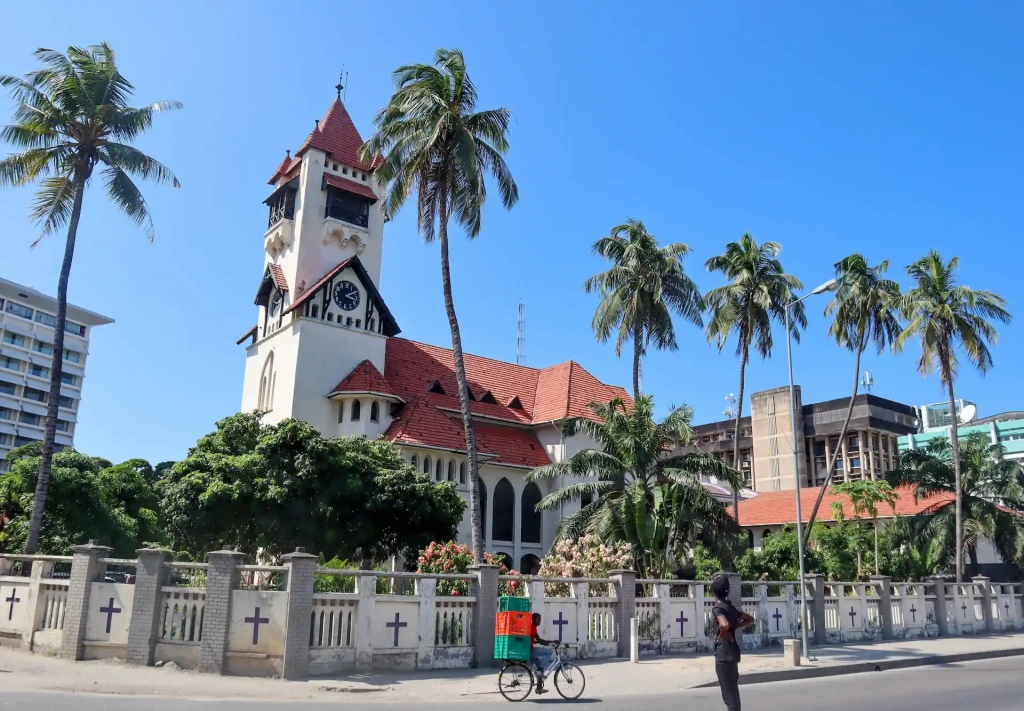
Kariakoo Market Guide for Tourists: Your Essential Companion
Welcome to Dar es Salaam, Tanzania’s vibrant economic heart! For any traveler seeking an authentic slice of local life and a treasure trove of goods, the Kariakoo Market is an absolute must-visit. This sprawling marketplace is not just a place to shop; it’s a sensory experience, a cultural hub, and the pulse of the city. For tourists, understanding how to navigate its energetic chaos can be the difference between a frustrating encounter and an unforgettable adventure. This comprehensive Kariakoo Market guide for tourists aims to equip you with all the knowledge needed to explore this iconic destination comfortably and safely during your 2026 or 2027 travels.
Quick Answers for Kariakoo Market Visitors
- What is Kariakoo Market? A massive, bustling public market in Dar es Salaam, Tanzania, selling everything from fresh produce and spices to clothing, crafts, and household goods.
- Is Kariakoo Market safe for tourists? Generally yes, but like any busy market, awareness of your surroundings, keeping valuables secure, and avoiding touts is crucial.
- What can I buy at Kariakoo Market? A vast array of items including fresh fruits, vegetables, spices, grains, fish, meat, textiles, clothing, shoes, local crafts, electronics, and household items.
- How should I dress for Kariakoo Market? Modest, comfortable clothing is recommended. Lightweight, breathable fabrics are best for the heat. Avoid flashy jewelry or expensive items.
- When is the best time to visit? Weekday mornings are usually less crowded. Avoid peak hours if possible, though it’s always busy.
- Can I haggle at Kariakoo Market? Yes, haggling is expected, especially for non-food items. Do so politely and with a smile.
Table of Contents
Kariakoo Market: An Overview
Kariakoo Market, officially known as Kariakoo Central Market, is one of East Africa’s largest and most vibrant marketplaces. Located in the heart of Dar es Salaam, it’s a sprawling complex of buildings and open-air stalls that hums with activity from dawn until dusk. Established in 1937, it has grown into an indispensable part of Dar es Salaam’s identity, serving as the primary source of fresh produce, spices, textiles, and everyday goods for the city’s residents. For visitors, it offers an unfiltered glimpse into Tanzanian commerce and daily life, a stark contrast to the curated experiences often found in tourist shops.
The market is a maze of narrow aisles, bustling courtyards, and multi-story structures, each section dedicated to different types of wares. From the fragrant aroma of exotic spices to the colorful displays of fresh fruits and vegetables, and the lively chatter of vendors and shoppers, Kariakoo is a feast for the senses. It’s a place where you can find almost anything imaginable, at prices that reflect its local, no-frills nature.
Why Visit Kariakoo Market?
Visiting Kariakoo Market is an essential part of experiencing Dar es Salaam authentically. Here’s why it should be on your itinerary:
- Authentic Local Experience: It’s where Tanzanians shop, eat, and socialize. You’ll witness daily life unfold in a way that few tourist attractions can replicate.
- Incredible Shopping Opportunities: From unique textiles and local crafts to fresh spices and exotic fruits, you can find genuine Tanzanian products. It’s a fantastic place for souvenirs that tell a story.
- Sensory Immersion: The sights, sounds, and smells of Kariakoo are intense and unforgettable. It’s a place that truly engages all your senses.
- Cultural Insight: Observe local trading practices, sample regional foods, and interact with friendly vendors, gaining a deeper understanding of Tanzanian culture.
- Photography Potential: The vibrant colors, diverse people, and dynamic atmosphere make it a photographer’s dream (always ask permission before taking close-ups of individuals).
- Budget-Friendly Finds: While not a luxury shopping destination, you can find incredible value for money if you know what you’re looking for and how to negotiate.
Navigating the Labyrinth: Layout and Sections
Kariakoo Market is vast and can seem overwhelming at first. Understanding its general layout can help you explore more efficiently. While there isn’t a strict, universally agreed-upon map, certain areas are known for specific goods:
The Main Building (Central Market): This is the heart of Kariakoo. Inside, you’ll find:
- Ground Floor: Primarily dedicated to fresh produce – mountains of colorful fruits like mangoes, bananas, papayas, and passion fruit, alongside a wide variety of vegetables. You’ll also find butchers and fishmongers here, with the distinct aromas that come with them.
- Upper Floors: These levels house stalls selling textiles, clothing (both new and second-hand ‘mitumba’), shoes, bags, and some household items. This is a great area for fabric shopping.
The Outer Areas and Adjacent Streets: Surrounding the main building, the market spills out onto the streets and into smaller courtyards. These areas are often where you’ll find:
- Spices and Grains: Dedicated stalls selling fragrant spices like cloves, cinnamon, cardamom, and turmeric, as well as various types of rice, beans, and lentils.
- Crafts and Souvenirs: While not as concentrated as in dedicated souvenir shops, you can find local carvings, wooden items, baskets, and other handcrafted goods.
- Electronics and Hardware: Smaller shops and stalls might offer mobile phones, accessories, and basic tools.
- Food Stalls: Numerous small eateries and street food vendors offer local snacks and meals.
- ‘Mitumba’ (Second-hand clothing) Market: Adjacent to the main market, this is a huge section dedicated to bales of pre-loved clothing, where shoppers can sift through for bargains.
Pro Tip: Don’t be afraid to wander. Getting a little lost is part of the Kariakoo experience. Vendors are usually happy to point you in the general direction of what you’re looking for.
What to Buy: A Shopper’s Paradise
Kariakoo Market offers an incredible range of products. As a tourist, here are some highlights:
Textiles and Clothing
- Khanga and Kitenge: These vibrant, patterned fabrics are quintessential East African wear. You can buy them by the meter and have them made into clothing or use them as wraps and decor.
- African Prints: A vast selection of cotton fabrics with bold, colorful designs.
- ‘Mitumba’ Treasures: If you’re adventurous, sifting through the second-hand clothing stalls can yield surprisingly good quality items, including branded wear, at very low prices.
Spices and Food Items
- Whole Spices: Bring the flavors of Tanzania home. Cloves, cardamom, cinnamon sticks, star anise, and turmeric are popular and incredibly fragrant.
- Local Coffee and Tea: Tanzania is known for its excellent coffee and tea.
- Dried Fish and Seafood: A staple for locals, offering a unique taste of the coast.
- Exotic Fruits: While difficult to transport, you can enjoy incredibly fresh and diverse fruits like jackfruit, soursop, and various types of mangoes and bananas.
Handicrafts and Souvenirs
- Wooden Carvings: Look for small, well-made carvings of animals or traditional figures.
- Baskets and Mats: Woven items made from natural fibers, often featuring intricate patterns.
- Jewelry: Simple, locally made beaded jewelry can be found.
Household Goods
From kitchenware to basic furniture, you can find everyday items used by Tanzanians.
Best Time to Visit Kariakoo Market
The market is open year-round, but the best time to visit depends on your preference for crowds and heat.
| Time of Day | Crowd Level | Atmosphere | Temperature |
|---|---|---|---|
| Early Morning (7 AM – 9 AM) | Moderate | Lively, vendors setting up | Coolest part of the day |
| Late Morning (9 AM – 12 PM) | High | Very busy, peak shopping | Warm |
| Afternoon (1 PM – 4 PM) | Moderate to High | Still active, some vendors resting | Hot |
| Late Afternoon (4 PM – 6 PM) | Moderate | Winding down, final sales | Warm, cooling slightly |
| Weekends | Very High | Extremely busy, more relaxed pace | Hot |
| Weekdays | High | Busy, more focused on commerce | Hot |
Recommendation: For tourists, weekday mornings (before 10 AM) often offer a good balance of activity and manageable crowds. The heat is also less intense earlier in the day.
Getting to Kariakoo Market
Kariakoo Market is located in the Kariakoo district, a central area of Dar es Salaam. Several transport options are available:
- Dala-Dalas: These are the local minibusses and the most affordable way to travel. They are numerous and run on fixed routes. You’ll need to know the route number that passes Kariakoo from your starting point. They can be crowded and require some understanding of local routes.
- Taxis: Metered or pre-negotiated taxis are a more comfortable and direct option. Ensure the driver understands your destination and agrees on a fare beforehand if it’s not metered.
- Ride-Sharing Apps: Apps like Uber and Bolt are available in Dar es Salaam and offer a convenient way to get to Kariakoo.
- Walking: If you are staying in a nearby hotel or guesthouse, walking might be an option, but be mindful of the heat and the busy traffic.
Important Note: When taking a taxi or dala-dala, be aware of your surroundings. If using ride-sharing apps, confirm the driver and vehicle details match the app. For a truly worry-free experience, consider arranging transport through your tour operator.
What to Expect: Sensory Overload
Prepare for an intense but rewarding experience. Kariakoo is a place of constant movement, sound, and smell:
- Noise: The market is alive with the sounds of vendors calling out their wares, shoppers bargaining, music playing, and general chatter.
- Smells: Expect a mix of aromas – the sweetness of ripe fruit, the pungent scent of spices, the fresh catch from the fish market, and the savory smells from food stalls.
- Crowds: It is almost always crowded, especially during peak hours. Be prepared to navigate through people.
- Vibrant Colors: From the piles of produce to the colorful textiles and the diverse clothing of shoppers, the market is a visual spectacle.
- Hustle and Bustle: The energy is palpable. Vendors are keen to make sales, and shoppers are actively engaged in their purchases.
It’s a place that demands your attention and rewards those who embrace its dynamic nature.
Cultural Etiquette and Local Customs
To ensure a respectful and enjoyable visit, familiarize yourself with local customs:
- Dress Modestly: While Dar es Salaam is relatively relaxed, it’s advisable to dress conservatively in the market. Cover your shoulders and knees. This shows respect for local culture and can help you avoid unwanted attention.
- Ask Before Photographing: Always seek permission before taking close-up photos of people. A smile and a gesture are usually understood. Some may ask for a small fee.
- Polite Bargaining: Haggling is expected, but do it with a smile and good humor. Avoid aggressive or rude negotiation.
- Greetings: A simple “Jambo” (hello) or “Habari” (how are you?) is appreciated.
- Respect for Elders: Show deference to older individuals.
- Public Displays of Affection: Keep these to a minimum.
- Eating and Drinking: If you choose to eat from street vendors, observe hygiene practices.
Safety First: Staying Secure
While Kariakoo is a generally safe place for tourists who are aware, it’s essential to take precautions due to the sheer volume of people and the nature of busy markets worldwide.
Pickpocketing and Theft
- Secure Your Valuables: Keep your money, phone, and passport in a secure, hidden pouch or a zipped inner pocket. Avoid carrying large amounts of cash.
- Be Aware of Your Surroundings: Pay attention to who is around you, especially in crowded areas.
- Bag Security: Keep your bag in front of you and zipped at all times. Consider a cross-body bag that is harder to snatch.
- Distraction Tactics: Be wary of sudden distractions, which can be used as cover for theft.
Touts and Scams
- Be Firm but Polite: Vendors may approach you aggressively. A polite but firm “Hapana, asante” (No, thank you) is usually effective.
- Ignore Unsolicited ‘Guides’: Do not accept help from unofficial guides who approach you. They often expect payment and may lead you to overpriced shops.
- Verify Prices: If you are unsure about a price, ask multiple vendors or consult with your guide if you have one.
General Safety
- Stay Hydrated: The heat can be intense. Drink plenty of bottled water.
- Know Your Exit: Familiarize yourself with the main entrances and exits.
- Trust Your Instincts: If a situation feels uncomfortable, remove yourself from it.
- Travel with a Guide: For your first visit, consider hiring a local guide or traveling with your tour operator. They can navigate the market, handle negotiations, and ensure your safety.
The Art of Haggling: Tips for Tourists
Haggling is a part of the shopping experience in many markets, including Kariakoo, especially for non-food items. Here’s how to do it effectively:
- Know the Value: Try to get a sense of fair prices by observing or asking locals if possible.
- Start Low (But Not Insultingly So): Offer a price that is significantly lower than the asking price, but not so low that it offends the vendor. A good starting point might be 50-70% of the initial offer.
- Be Polite and Friendly: Smile, make eye contact, and engage in light conversation. A positive attitude goes a long way.
- Be Prepared to Walk Away: If you can’t agree on a price, be willing to politely decline and move on. Sometimes, this prompts the vendor to offer a better price.
- Don’t Show Too Much Enthusiasm: If you seem overly eager to buy something, the vendor knows they have leverage.
- Set a Budget: Decide beforehand how much you’re willing to spend on an item.
- Focus on the Overall Experience: Remember that even a few extra shillings might not matter much to you but can make a difference to the vendor. Enjoy the interaction.
- For Food Items: Prices for fresh produce are often fixed or have very little room for negotiation, especially for locals. Tourists might find slightly higher prices, but haggling here is less common and generally not expected.
Food and Drink: Local Flavors
Kariakoo Market is a fantastic place to sample authentic Tanzanian street food and local beverages. However, as a tourist, it’s wise to be cautious about hygiene.
Street Food Options
- Mandazi: Sweet, fried dough similar to doughnuts, often enjoyed with tea.
- Samosas: Savory fried pastries filled with spiced meat or vegetables.
- Mishkaki: Skewers of grilled meat, often beef or chicken, marinated in spices.
- Mahamri: Spiced, fried bread, often eaten for breakfast.
- Fresh Fruits: Enjoy freshly cut mangoes, pineapple, watermelon, and other seasonal fruits.
- Local Juices: Freshly squeezed fruit juices are widely available.
Food Safety for Tourists
To minimize the risk of stomach upset:
- Choose Busy Stalls: Opt for vendors with high turnover, as their ingredients are likely fresher.
- See Food Being Cooked: Ensure food is cooked thoroughly in front of you.
- Peel Fruits: Eat fruits that you can peel yourself.
- Drink Bottled Water: Always opt for sealed bottled water. Avoid ice unless you are sure it’s made from purified water.
- Observe Local Practices: If you see locals eating comfortably from a stall, it’s generally a good sign.
What to Wear: Dressing Appropriately
Comfort and modesty are key when visiting Kariakoo Market.
- Lightweight, Breathable Fabrics: Cotton, linen, or moisture-wicking synthetic blends are ideal for the tropical climate.
- Modest Attire: Aim to cover your shoulders and knees. This includes T-shirts, long or knee-length skirts, or trousers. Avoid tank tops, very short shorts, or revealing clothing.
- Comfortable Walking Shoes: You’ll be doing a lot of walking on potentially uneven surfaces. Closed-toe shoes like sneakers or sturdy sandals are best.
- Sun Protection: A hat and sunglasses are essential.
- Avoid Flashy Jewelry: Leave expensive or ostentatious jewelry at your hotel to avoid attracting unwanted attention.
Preparation and Packing Essentials
Before you head to Kariakoo, pack these items:
| Comfortable Shoes: Essential for walking. |
| Lightweight, Modest Clothing: T-shirts, long trousers, or skirts. |
| Sun Hat & Sunglasses: For sun protection. |
| Reusable Water Bottle: Stay hydrated (fill with bottled water). |
| Small Backpack or Cross-body Bag: To keep belongings secure and accessible. |
| Hand Sanitizer: For hygiene, especially before eating. |
| Small Amount of Cash: For purchases and small tips (carry in a secure money belt). |
| Camera: To capture the vibrant atmosphere (ask permission for photos of people). |
| Small Notebook & Pen: To jot down prices or details. |
| Scarf or Shawl: Can be useful for extra sun protection or for covering up if needed. |
Common Mistakes to Avoid
To make your Kariakoo Market visit smooth and enjoyable, steer clear of these common pitfalls:
- Carrying Valuables Openly: Displaying expensive phones, cameras, or large sums of cash makes you a target.
- Wearing Inappropriate Clothing: Very revealing clothing can attract unwanted attention and is culturally insensitive.
- Ignoring the Heat: Not drinking enough water or wearing unsuitable clothing can lead to heat exhaustion.
- Trusting Unsolicited ‘Guides’: Unless pre-arranged with a reputable tour operator, avoid random people offering to guide you.
- Aggressive Haggling: Being rude or overly insistent during negotiations can be counterproductive and disrespectful.
- Eating or Drinking Unsafely: Consuming unverified food or water can lead to illness.
- Getting Lost Without a Plan: While exploration is good, having a general idea of how to get back or having a contact person is wise.
- Not Having Small Change: Vendors may not always have change for large bills, especially for small purchases.
Who is Kariakoo Market Best For?
Kariakoo Market appeals to a specific type of traveler:
- The Cultural Explorer: Those who want to immerse themselves in local life and experience the authentic pulse of a city.
- The Savvy Shopper: Individuals looking for unique textiles, spices, or souvenirs at local prices, and who enjoy the challenge of finding a bargain.
- The Photographer: Anyone interested in capturing vibrant street life, colorful markets, and genuine human interactions.
- The Adventurous Eater: Those willing to try local street food from reputable vendors.
- Budget Travelers: The market offers goods at local prices, making it ideal for those watching their spending.
It might not be the best fit for travelers who prefer sterile, air-conditioned shopping malls, dislike crowds, or are uncomfortable with assertive sales tactics and haggling.
Alternatives to Kariakoo Market
If Kariakoo Market feels too intense or doesn’t align with your travel style, Dar es Salaam offers other shopping and cultural experiences:
- Mwenge Woodcarvers’ Market: A more curated market specifically for wooden carvings and other Tanzanian handicrafts. It’s less chaotic than Kariakoo and prices are generally higher but more fixed.
- Dar es Salaam City Tour: Many city tours include visits to local craft markets, art galleries, and historical sites, offering a more guided cultural experience.
- High-End Boutiques and Art Galleries: For quality souvenirs and art without the market hustle, explore shops in areas like Masaki or Oyster Bay.
- Local Supermarkets: For packaged goods like coffee, tea, or spices, local supermarkets offer convenience and fixed prices.
- Zanzibar’s Stone Town Markets: If your trip includes Zanzibar, Stone Town offers its own vibrant markets with spices, textiles, and crafts, often with a more tourist-oriented feel.
Planning Your Visit for 2026-2027
When planning your Tanzania adventure for 2026 or 2027, incorporating a visit to Kariakoo Market requires a bit of foresight.
Considerations for 2026-2027:
- Integration with Itinerary: Kariakoo is best visited during a day spent exploring Dar es Salaam. It can be combined with a visit to the National Museum, the Fish Market, or a city tour.
- Time Allocation: Allocate at least 2-3 hours for a proper exploration of Kariakoo, allowing time for browsing, shopping, and perhaps a snack.
- Guided Tours: For a smoother experience, especially in 2026-2027, consider booking a guided tour of Dar es Salaam. A knowledgeable local guide can enhance your understanding, ensure safety, and help you navigate the market effectively. This is particularly useful for first-time visitors.
- Transportation: Research the best transport options from your accommodation for 2026-2027. Ride-sharing apps are becoming increasingly popular and reliable.
- Currency: Ensure you have sufficient Tanzanian Shillings (TZS) in smaller denominations for your purchases. ATMs are available in Dar es Salaam, but it’s wise to have cash on hand for the market.
What to Watch For: Keep an eye on travel advisories and local conditions closer to your travel dates in 2026 and 2027. While Kariakoo is a stable part of the city, general travel advice always applies.
Booking Your Dar es Salaam Experience
To ensure your visit to Kariakoo Market and other Tanzanian highlights is well-organized and enjoyable, consider booking through a reputable local tour operator. Here’s why and how:
Why Book with a Local Operator?
- Expertise: Local operators have in-depth knowledge of destinations like Kariakoo Market, including the best times to visit, how to navigate safely, and what authentic experiences to seek out.
- Logistics: They handle all the details, from airport transfers and accommodation to guided tours and transportation, saving you time and stress.
- Safety and Support: You have a reliable point of contact for any issues that may arise during your trip.
- Authentic Experiences: They can arrange for local guides who provide cultural insights beyond what a typical tourist might find.
- Customization: Whether you want a dedicated market tour or a brief stop during a city exploration, they can tailor the experience to your interests.
How to Book:
When you’re ready to plan your trip to Tanzania, including your visit to Dar es Salaam and the vibrant Kariakoo Market, reach out to us. We specialize in creating memorable and authentic Tanzanian adventures.
Connect with Us for Your Tanzania Adventure!
Let us help you craft the perfect itinerary that includes the best of Dar es Salaam, from the bustling Kariakoo Market to stunning safaris and Kilimanjaro treks. We are committed to providing exceptional service and unforgettable experiences.
WhatsApp: +255616946642
Email: topguideadventures@gmail.com
Backup Email: info@topguideadventures.com
We look forward to helping you plan your dream trip to Tanzania!
Frequently Asked Questions (FAQs)
What are the opening hours for Kariakoo Market?
Kariakoo Market is generally open daily from early morning (around 6 AM) until late afternoon or early evening (around 6 PM). However, the busiest and most active period is typically from morning to mid-afternoon. Some sections might close earlier than others.
Is it safe to eat street food in Kariakoo Market?
Eating street food carries inherent risks everywhere. For tourists, it’s best to choose vendors that are busy, where food is cooked thoroughly in front of you, and to opt for items you can peel yourself. Always drink bottled water. If you have a sensitive stomach, it might be wise to stick to established restaurants or your hotel’s dining options.
How much money should I carry to Kariakoo Market?
It’s advisable to carry enough Tanzanian Shillings (TZS) for your planned purchases, plus a little extra. For non-food items where you might haggle, it’s useful to have smaller denominations. Avoid carrying large amounts of cash openly. For significant purchases, confirm if card payments are accepted, though many smaller vendors only deal in cash.
Can I use my credit card at Kariakoo Market?
Credit card facilities are generally not available at most stalls within Kariakoo Market. It is primarily a cash-based market. Some larger shops within or adjacent to the market might accept cards, but it’s not common. Always carry sufficient cash for your shopping.
What are the ‘mitumba’ stalls, and what can I find there?
‘Mitumba’ refers to second-hand clothing. The market sections dedicated to ‘mitumba’ are vast, offering bales of clothing that shoppers sift through. You can find a wide range of items, from casual wear and T-shirts to more formal clothing and even branded items, often at incredibly low prices. It requires patience and a good eye to find quality pieces.
Is it okay to take photos of vendors and their goods?
It is generally acceptable to take photos of the general market scene and products. However, for close-up shots of individuals, vendors, or specific stalls, it is always polite and respectful to ask for permission first. A smile and a gesture are usually enough to communicate your intent. Some vendors may request a small fee for posing.
What is the best way to buy textiles like Khanga and Kitenge?
You typically buy Khanga and Kitenge fabrics by the meter. Vendors will have rolls of fabric displayed. You can ask to see different designs and then specify how many meters you wish to purchase. Haggling is common for textiles. Once purchased, you can take them to a tailor to be made into clothing, wraps, or other items.
How can I get to Kariakoo Market from the airport (DAR)?
From Julius Nyerere International Airport (DAR), the most convenient options are taxis or pre-booked airport transfers. Ride-sharing apps like Uber or Bolt are also available and often more affordable than standard taxis. Dala-dalas are possible but involve multiple transfers and are not recommended for tourists with luggage or limited time.
Are there any specific cultural taboos to be aware of?
While Kariakoo is a busy commercial hub, general Tanzanian etiquette applies. Dress modestly, avoid public displays of affection, and be respectful when interacting with people. Asking permission before taking photos of individuals is a key aspect of cultural respect.
What are the main differences between Kariakoo Market and Mwenge Market?
Kariakoo Market is a massive, general public market selling everything from fresh produce to textiles, clothing, and household goods. It’s a place for everyday shopping and a raw, authentic experience. Mwenge Woodcarvers’ Market, on the other hand, is a more specialized market focused primarily on wooden crafts, carvings, and other Tanzanian handicrafts. It’s generally less chaotic, with more fixed prices and a focus on tourist-oriented souvenirs.
Can I find authentic Tanzanian spices at Kariakoo Market?
Yes, Kariakoo Market is an excellent place to find a wide variety of authentic Tanzanian spices. You’ll find stalls selling whole spices like cloves, cardamom, cinnamon, turmeric, and chili peppers. They are often sold in bulk or by weight. Buying whole spices and grinding them yourself can preserve their aroma and flavor.
Your Kariakoo Market Adventure Awaits!
Navigating the Kariakoo Market is a quintessential Dar es Salaam experience. With this comprehensive Kariakoo Market guide for tourists, you are well-prepared to explore its vibrant offerings, engage with local culture, and find unique treasures. Remember to stay aware, be polite, and embrace the energy of this incredible place. For an even more enriching and stress-free visit, let us handle the details.
Plan Your Tanzanian Journey with Experts!
Whether you dream of safaris, climbing Kilimanjaro, relaxing on Zanzibar’s beaches, or exploring the markets of Dar es Salaam, we are here to make it happen. Contact us to design your personalized Tanzanian adventure for 2026-2027 and beyond.
WhatsApp Us: +255616946642
Email Us: topguideadventures@gmail.com
Or reach us via: info@topguideadventures.com
We are excited to help you discover the magic of Tanzania!
Plan your Kariakoo Market Guide for Tourists with Top Guide Adventures
Tell us your travel dates, group size, comfort level, and dream experience. We will help you shape a clear, realistic, and memorable Tanzania itinerary.



