Updated planning guide for 2026-2027
Namibia Safari: Best Guide
Discover the magic of a Namibia safari in 2026-2027. This comprehensive guide covers everything from planning your itinerary to understanding wildlife, choosing accommodations, and making informed booking decisions for an unforgettable African experience.
WhatsApp +255747477898 | climb4africa@gmail.com | climb4africa@gmail.com
Namibia Safari: Your Essential Travel Guide 2026-2027
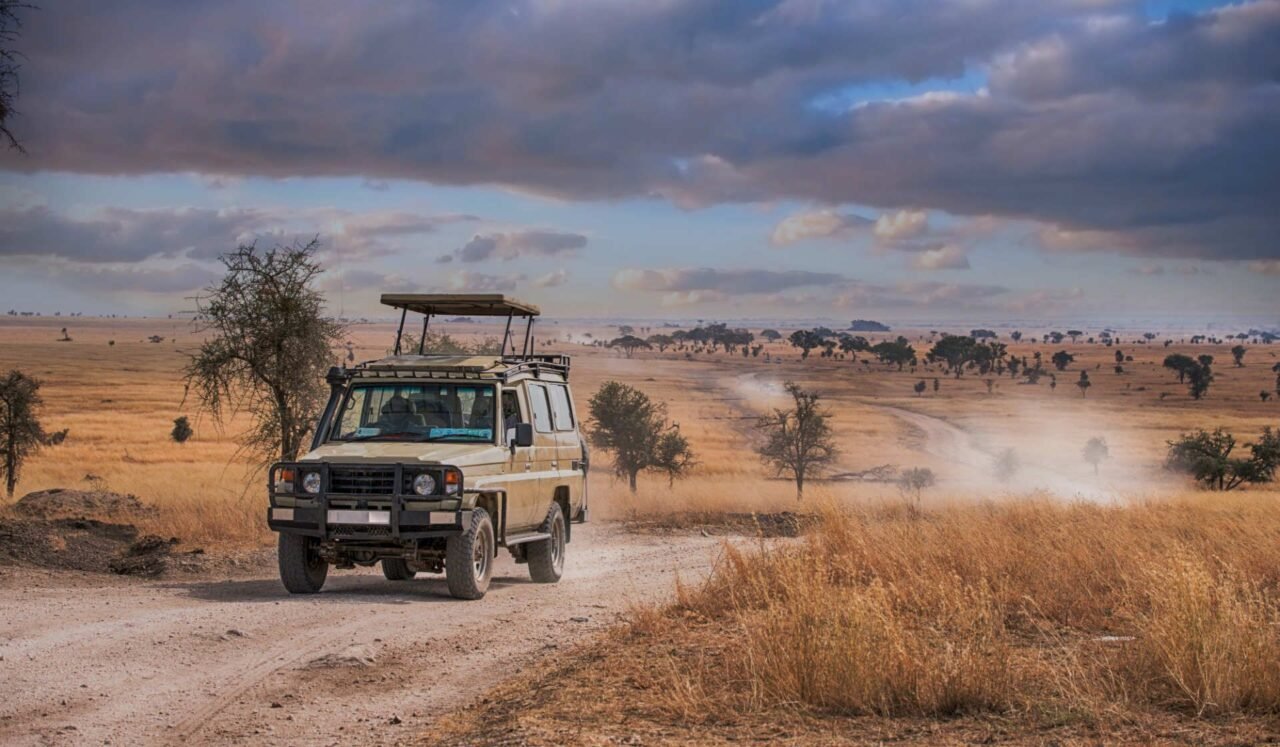
A Namibia safari offers a travel experience unlike any other in Africa. Renowned for its stark desert landscapes, abundant wildlife, and unique geological formations, Namibia promises an adventure that captivates the senses. Whether you dream of witnessing the towering dunes of Sossusvlei, tracking desert-adapted elephants, or exploring the vast Etosha National Park, this guide is designed to help you plan an unforgettable Namibia safari, especially as you look towards 2026 and 2027.
As a leading Tanzania tour operator, we understand the intricacies of planning African safaris. While our expertise lies in Tanzania, we recognize the allure of Namibia and have compiled this detailed resource to assist travelers in crafting their perfect Namibian journey. We’ll cover everything from the best times to visit and essential packing lists to itinerary suggestions and booking advice.
Quick Answer: What to Know for a Namibia Safari
A Namibia safari is characterized by its diverse ecosystems, from the Namib Desert to the Etosha Pan. Key highlights include unique desert wildlife, dramatic desert landscapes, and excellent birdwatching. Planning for 2026 or 2027 involves considering the dry season (May-October) for optimal game viewing, booking accommodations and activities well in advance, and understanding the vast distances involved. Self-drive safaris are popular, but guided tours offer convenience and local expertise.
| Feature | Details |
|---|---|
| Best Time to Visit | Dry Season (May-October) for wildlife viewing; Shoulder seasons (April, November) for fewer crowds and moderate weather. |
| Major Parks/Reserves | Etosha National Park, Damaraland, Kaokoveld, Namib-Naukluft Park (Sossusvlei). |
| Key Wildlife | Desert-adapted elephants and lions, black rhinos, giraffes, zebras, springbok, oryx, meerkats, diverse birdlife. |
| Popular Activities | Game drives, walking safaris, dune climbing, scenic flights, cultural visits, stargazing. |
| Travel Style | Self-drive, guided overland tours, luxury lodges, fly-in safaris. |
| Visa Requirements | Varies by nationality; many visitors do not require a visa for short stays. Check current regulations. |
| Currency | Namibian Dollar (NAD), South African Rand (ZAR) widely accepted. |
Understanding the Appeal of a Namibia Safari
Namibia is a land of contrasts. Its vast, sparsely populated landscapes offer a sense of profound solitude and raw, untamed beauty. Unlike the dense jungles or savannas of some other African destinations, a Namibia safari is defined by its dramatic desert scenery, towering sand dunes, rugged coastlines, and ancient geological wonders.
The wildlife, while perhaps not as concentrated as in East Africa, is uniquely adapted to these harsh environments. Spotting a desert-adapted elephant navigating dry riverbeds or a black rhino in the arid plains of Damaraland is a testament to nature’s resilience. Etosha National Park, however, is an exception, boasting a high concentration of animals around its waterholes, especially during the dry season.
For travelers seeking a more contemplative and visually stunning safari experience, Namibia stands out. It’s a destination that invites exploration, reflection, and a deep connection with the natural world.
When is the Best Time for a Namibia Safari in 2026-2027?
Choosing the right time to visit is crucial for any safari. Namibia’s climate is largely arid, with distinct wet and dry seasons that significantly impact wildlife viewing and landscape conditions.
| Season | Months | Pros | Cons |
|---|---|---|---|
| Dry Season (Peak Safari Season) | May – October | Best game viewing as animals congregate around waterholes. Cooler temperatures, pleasant for outdoor activities. Landscapes are dry and dramatic. Ideal for spotting wildlife in Etosha. | Most popular time, so expect higher prices and more crowds at key attractions. Some roads can be rougher. Daytime temperatures can still be warm. |
| Wet Season (Green Season) | November – April | Lush green landscapes, dramatic skies, and fewer tourists. Excellent for birdwatching and photography. Prices are generally lower. Newborn animals are often seen. | Game viewing can be more challenging as animals disperse into thicker vegetation. Some areas may become inaccessible due to rain. Higher temperatures and humidity. |
| Shoulder Seasons | April & November | A good balance between pleasant weather, fewer crowds, and reasonable prices. Landscapes are transitioning. Good for a mix of activities. | Weather can be unpredictable. Game viewing is generally good but not at its absolute peak. |
For travelers planning a Namibia safari in 2026 or 2027, the dry season (May to October) is generally recommended for optimal wildlife viewing, particularly in Etosha. However, if you prefer fewer crowds and are interested in landscapes and birdlife, the shoulder seasons or even the wet season can offer a rewarding experience.
Key Destinations for Your Namibia Safari
Namibia is a large country, and its attractions are spread out. Focusing on a few key regions will create a more manageable and enjoyable itinerary. Here are some of the must-visit spots:
Etosha National Park
Etosha is Namibia’s premier wildlife destination. Dominated by the vast, shimmering Etosha Pan, the park’s wildlife congregates around numerous waterholes, making game viewing exceptionally rewarding. Expect to see elephants, lions, giraffes, zebras, springbok, wildebeest, and potentially black rhinos and leopards. The park offers a range of accommodation, from camping to comfortable lodges.
Sossusvlei & Deadvlei
Located within the Namib-Naukluft Park, Sossusvlei is famous for its towering red sand dunes, some of the highest in the world. Deadvlei, a stark white clay pan dotted with ancient, petrified camel thorn trees, is an iconic and breathtaking sight. Climbing Dune 45 or Big Daddy for sunrise or sunset is a classic Namibia safari experience. The drive to Sossusvlei itself is through stunning desert scenery.
Damaraland
This rugged, arid region is a highlight for those seeking unique wildlife and dramatic landscapes. Damaraland is one of the best places to find desert-adapted elephants and the endangered black rhino. The region also boasts fascinating geological formations like the Spitzkoppe mountains and ancient rock art at Twyfelfontein.
Swakopmund & Walvis Bay
These coastal towns offer a different facet of Namibia. Swakopmund, with its German colonial architecture, is a hub for adventure activities like quad biking, sandboarding, and scenic flights. Walvis Bay is known for its abundant birdlife, particularly flamingos, and offers boat trips for dolphin and seal spotting.
Kaokoveld
For the more adventurous traveler, the remote Kaokoveld in northwest Namibia offers a glimpse into a more traditional way of life, home to the Himba people. The landscapes are wild and rugged, and wildlife is present but often elusive.
Namibia Safari Route Overview (Sample)
This is a conceptual route showcasing the flow between key destinations. Actual travel times and distances are significant.
- Windhoek: Arrival and city exploration, preparation for safari.
- Sossusvlei/Namib-Naukluft: Iconic desert landscapes, dune climbing, Deadvlei.
- Swakopmund/Walvis Bay: Coastal activities, marine life, adventure sports.
- Damaraland: Desert-adapted wildlife, rock art, rugged scenery.
- Etosha National Park: Premier wildlife viewing, waterholes, game drives.
- Optional: Further exploration north (Kaokoveld) or east, or return to Windhoek.
Sample Namibia Safari Itinerary (10 Days)
This sample itinerary balances iconic sights with realistic travel times. It’s a suggestion and can be customized to your interests and pace. For 2026-2027 travel, booking this well in advance is recommended.
| Day | Location | Activities | Notes |
|---|---|---|---|
| Day 1 | Windhoek | Arrive at Hosea Kutako International Airport (WDH), transfer to accommodation. Briefing and preparation for the journey. | Acclimatize and gather supplies. |
| Day 2 | Windhoek to Sossusvlei Region | Scenic drive (approx. 5-6 hours) into the Namib Desert. Check into lodge. Afternoon relaxation or short local exploration. | The landscape begins to change dramatically. |
| Day 3 | Sossusvlei & Deadvlei | Early morning visit to Sossusvlei and Deadvlei to witness sunrise over the dunes. Climb Dune 45 or Big Daddy. Visit Sesriem Canyon. | Carry water and wear sun protection. The heat can be intense. |
| Day 4 | Sossusvlei to Swakopmund | Drive to Swakopmund (approx. 4-5 hours) via Solitaire. Explore the coastal town, its unique architecture, and the Atlantic Ocean. | A change of scenery from the desert to the coast. |
| Day 5 | Swakopmund Activities | Choose from activities like a marine cruise from Walvis Bay (dolphins, seals, pelicans), quad biking, or sandboarding in the dunes. Optional scenic flight over the coast. | Book activities in advance, especially during peak season. |
| Day 6 | Swakopmund to Damaraland | Drive north into the rugged Damaraland region (approx. 5-6 hours). Check into your lodge. Enjoy the stark beauty of the landscape. | This area is known for its geological wonders and unique wildlife. |
| Day 7 | Damaraland Exploration | Morning excursion to search for desert-adapted elephants. Visit Twyfelfontein (UNESCO World Heritage site) to see ancient rock engravings. Explore the Organ Pipes and Burnt Mountain. | Guided excursions are recommended for tracking wildlife. |
| Day 8 | Damaraland to Etosha National Park (Southern/Central) | Drive towards Etosha National Park (approx. 4-5 hours). Enter the park and begin your first game drive en route to your lodge or camp near Okaukuejo or Halali. | Start looking for game as soon as you enter the park. |
| Day 9 | Etosha National Park Game Drives | Full day exploring Etosha. Focus on game viewing around waterholes. Visit the Etosha Pan lookout. Evening game drive or relax by a floodlit waterhole. | Waterholes are excellent for concentrated viewing, especially in the dry season. |
| Day 10 | Etosha to Windhoek & Departure | Morning game drive as you exit Etosha. Drive back to Windhoek (approx. 4-5 hours) for your onward flight or to spend an extra night. | Allow ample time for the drive back and airport transfer. |
What to Expect on a Namibia Safari
A Namibia safari is often a blend of wildlife viewing, breathtaking scenery, and unique cultural encounters. Unlike a classic African safari focused solely on large predator sightings, Namibia offers a broader spectrum of experiences.
- Vast Landscapes: Prepare for immense open spaces, dramatic desert vistas, and incredibly starry nights. The sheer scale of the country is awe-inspiring.
- Unique Wildlife: While Etosha provides excellent game viewing, other areas focus on specialized wildlife like desert-adapted elephants, rhinos, and desert-dwelling predators. Patience is often rewarded.
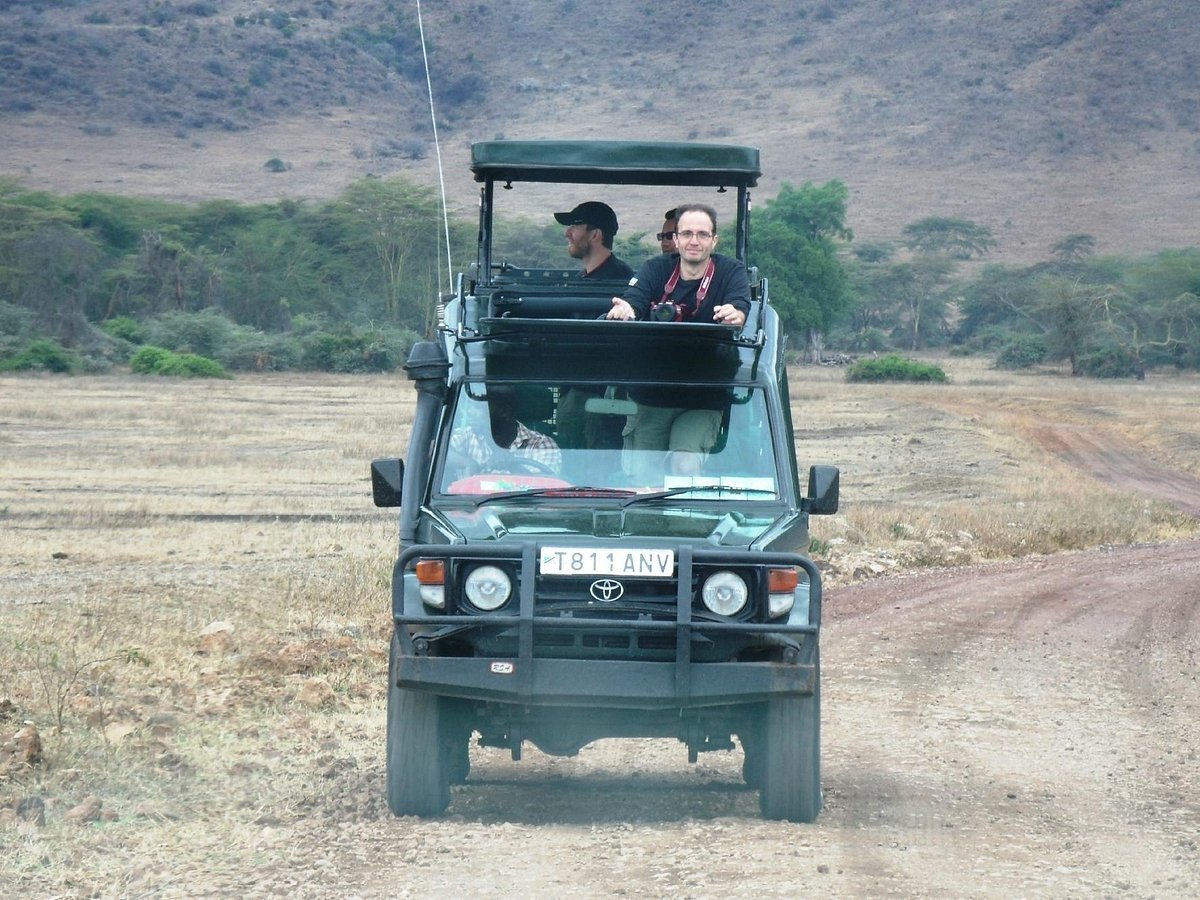
- Self-Drive Opportunities: Namibia is very popular for self-drive adventures, thanks to good road infrastructure (though often gravel) and well-marked routes. However, distances are considerable, and a 4×4 is often recommended, especially for remote areas.
- Guided Tours: For those who prefer not to drive long distances or want expert interpretation, guided tours (small group or private) are an excellent option. These can range from overland camping trips to luxury lodge-based safaris.
- Accommodation: Options range from campsites and self-catering rest camps to comfortable lodges and exclusive luxury tented camps. Booking well in advance is essential, particularly for the dry season of 2026 and 2027.
- Cultural Encounters: Opportunities exist to visit traditional Himba villages or learn about the San people, offering insight into Namibia’s diverse cultural heritage.
Inclusions, Packing, and Preparation for Your 2026-2027 Trip
Thorough preparation is key to a comfortable and successful Namibia safari. Here’s what to consider:
What to Pack
Pack light, practical, and versatile clothing. Layers are essential due to temperature fluctuations.
Clothing:
- Lightweight, breathable long-sleeved shirts (sun protection, insect protection)
- T-shirts and tops
- Comfortable trousers or safari pants (zip-off styles are useful)
- Shorts
- Fleece jacket or warm sweater for cool evenings/mornings
- Lightweight waterproof jacket
- Comfortable walking shoes or hiking boots
- Sandals or flip-flops
- Socks (including warm ones for evenings)
- Hat with a wide brim (essential for sun protection)
- Swimsuit (for lodges with pools)
Gear & Essentials:
- High-SPF sunscreen
- Insect repellent (with DEET)
- Sunglasses
- Camera and extra batteries/memory cards
- Binoculars (a must for wildlife viewing)
- Reusable water bottle
- Small backpack for day trips
- Personal first-aid kit (including any personal medications)
- Hand sanitizer
- Headlamp or flashlight
- Adapter for electronics (Namibia uses Type D and Type M plugs, 220-240V)
- Travel-sized toiletries
- Book or entertainment for downtime
Documents:
- Passport (with at least 6 months validity and blank pages)
- Visa (if required for your nationality)
- Flight tickets
- Travel insurance details
- Driving license (if self-driving)
- Copies of important documents (stored separately)
Preparation Checklist
Get organized well before your 2026 or 2027 safari.
Pre-Trip Planning:
- Book Flights: Secure international and domestic flights early.
- Choose Your Safari Style: Self-drive, guided group, private guide, lodge-based, or camping?
- Select Destinations: Decide which regions best suit your interests.
- Book Accommodation & Tours: Essential for peak season (May-Oct). Book lodges, camps, and guided activities.
- Arrange Vehicle Rental (if self-driving): Book a reliable 4×4 well in advance. Ensure it has good ground clearance and spare tires.
- Purchase Travel Insurance: Comprehensive coverage is vital.
- Consult Your Doctor: Discuss vaccinations and malaria prophylaxis (especially for areas bordering Angola and Botswana).
- Visa Application: Check requirements for your nationality.
- Currency: Familiarize yourself with the Namibian Dollar (NAD) and how to obtain cash. Credit cards are accepted in larger towns and lodges but not everywhere.
- Learn Basic Phrases: While English is widely spoken in tourist areas, knowing a few words in Afrikaans or local languages can be appreciated.
- Download Offline Maps: Essential for navigation, especially if self-driving.
What is Typically Included in a Namibia Safari Package?
Inclusions can vary significantly based on the tour operator and the type of safari. For guided tours, you can generally expect:
| Included | Often Not Included |
|---|---|
| Accommodation (lodges, camps, or permanent tents) | International flights |
| Most meals (breakfast, lunch, dinner) | Visa fees |
| Transportation (4×4 safari vehicle with driver/guide or overland truck) | Travel insurance |
| Park entrance fees | Optional activities (e.g., scenic flights, marine cruises, quad biking) |
| Guided game drives and excursions | Drinks and alcoholic beverages |
| Water during game drives | Tips for guides and staff |
| Expert driver/guide commentary | Personal expenses and souvenirs |
| Specific cultural visits (if part of the itinerary) | Some meals (e.g., if staying in self-catering units or having free time) |
Always clarify what is and isn’t included when booking your Namibia safari for 2026 or 2027 to avoid surprises.
Common Mistakes to Avoid on a Namibia Safari
To ensure your trip runs smoothly, be aware of potential pitfalls.
- Underestimating Distances: Namibia is vast. Distances between destinations are significant, and roads are often gravel, meaning slower travel times than you might expect. Factor in ample travel time.
- Not Booking in Advance: Especially for the peak dry season (May-October) in 2026 and 2027, popular lodges and accommodations fill up months, sometimes a year, in advance.
- Overpacking: Luggage space in safari vehicles can be limited, especially for self-drive rentals. Pack light and choose soft bags if possible.
- Ignoring Weather Conditions: While the dry season is popular, the desert can still be very hot. The wet season brings rain that can impact road conditions and game viewing.
- Lack of Flexibility: While planning is essential, be prepared for minor changes. Road conditions, wildlife movements, or unexpected closures can occur.
- Not Bringing Enough Water/Snacks: Especially on long drives or in remote areas, ensure you have sufficient supplies.
- Focusing Only on Wildlife: Namibia’s unique landscapes, cultural heritage, and adventure activities are equally compelling. Don’t miss out by solely focusing on game drives.
- Driving at Night: This is strongly discouraged due to wildlife on roads and poor visibility. Most lodges and camps have strict entry times.
- Not Getting Travel Insurance: Essential for medical emergencies, trip cancellations, or lost belongings.
Who is a Namibia Safari Best Suited For?
Namibia’s unique offerings appeal to a wide range of travelers:
- Photographers: The dramatic landscapes, unique light, and adapted wildlife provide endless photographic opportunities.
- Adventure Seekers: From dune climbing and quad biking to scenic flights and exploring remote areas, Namibia offers plenty of thrills.
- Nature Enthusiasts: Those who appreciate unique ecosystems, desert-adapted species, and stark, beautiful wilderness.
- Independent Travelers: The well-established self-drive infrastructure makes Namibia an ideal destination for those who enjoy exploring at their own pace.
- Those Seeking Solitude: The vast, sparsely populated country offers a sense of peace and an escape from crowds.
- Culture Enthusiasts: Opportunities to learn about the Himba, San, and other cultural groups add depth to the travel experience.
- Families: Namibia can be a fantastic family destination, offering educational experiences and a sense of adventure. Choose lodges and activities suitable for children.
- Luxury Travelers: High-end lodges and fly-in safaris offer comfort and exclusivity amidst stunning surroundings.
Alternatives to a Namibia Safari
While Namibia is exceptional, other African destinations offer different, yet equally rewarding, safari experiences. As a Tanzania tour operator, we can speak to the strengths of our region, but also acknowledge other great options:
- Tanzania Safari: Famous for the Great Migration in Serengeti, the Ngorongoro Crater’s dense wildlife, and diverse landscapes. Offers classic savanna game viewing with high animal concentrations.
- Botswana Safari: Known for its pristine wilderness, exclusive Okavango Delta, and Chobe National Park’s massive elephant herds. Often more expensive and focused on water-based activities in the Delta.
- Kenya Safari: Home to the Maasai Mara, offering incredible wildlife viewing, especially during the Great Migration. Also features diverse landscapes like Samburu and Amboseli with Kilimanjaro views.
- South Africa Safari: Offers a wide range of experiences from the Kruger National Park (excellent for self-driving and diverse wildlife) to private reserves offering luxury and Big Five sightings. Generally good infrastructure and accessibility.
- Zimbabwe Safari: Hwange National Park is renowned for its large elephant populations, and Mana Pools offers unique walking safaris and canoeing.
Each destination provides a unique perspective on African wildlife and landscapes. Your choice depends on your priorities: dramatic deserts and unique adaptations (Namibia), classic savanna migrations (Tanzania/Kenya), exclusive delta experiences (Botswana), or a mix of diverse wildlife and infrastructure (South Africa).
Planning Your Namibia Safari for 2026-2027: Key Considerations
As you look ahead to planning your Namibia safari for 2026 or 2027, consider these strategic planning points:
Budgeting for Your Trip
Namibia can cater to various budgets, but it’s not typically a budget destination due to the vast distances and infrastructure required. Costs are influenced by:
- Accommodation: Camping is the cheapest, followed by mid-range lodges, and then luxury tented camps or lodges.
- Transportation: Self-drive (car rental, fuel) vs. guided tours (package price). Guided tours often include more, but the upfront cost is higher.
- Activities: Optional activities like scenic flights, hot air ballooning, and specialized excursions add significantly to the cost.
- Time of Year: Peak season (dry, May-Oct) is more expensive than the wet season.
- Duration: Longer trips naturally incur higher costs.
A rough estimate for mid-range to comfortable travel, excluding international flights, could range from $250 to $600+ per person per day. Luxury options can easily exceed this.
Booking Timeline for 2026-2027 Safaris
To secure the best options and prices for your 2026 or 2027 Namibia safari, start planning early:
- 12-18 Months Out: Research destinations, tour operators, and safari styles. Book popular lodges or specific vehicles (like 4×4 rentals) if traveling during peak season.
- 6-12 Months Out: Finalize your itinerary. Book your chosen tour operator or car rental. Secure international flights.
- 3-6 Months Out: Book any specific activities you want to ensure availability. Confirm visa requirements and apply if necessary. Purchase travel insurance.
- 1-3 Months Out: Get any necessary vaccinations or malaria medication. Start gathering your packing list. Inform your bank of your travel dates.
- 2-4 Weeks Out: Confirm all bookings. Pack your bags. Download offline maps and essential apps.
Travel Styles and Options
Namibia offers flexibility in how you experience it:
- Self-Drive: Ideal for independent travelers. Requires careful planning, a robust 4×4 vehicle, and familiarity with driving on gravel roads. Offers maximum flexibility.
- Guided Overland Tours: Typically use larger 4×4 trucks, often with a camping component. Great for budget-conscious travelers who want to see a lot and enjoy group camaraderie.
- Small Group/Private Guided Tours: Travel in comfortable 4×4 vehicles with an expert guide. Offers excellent game viewing, interpretation, and convenience. Private tours offer the most personalized experience.
- Fly-In Safaris: For those with limited time or seeking luxury and exclusivity. Flights between lodges minimize travel time and offer incredible aerial views.
Safety and Health Considerations
Namibia is generally considered a safe country for tourists, but standard precautions apply:
- Petty Crime: Be aware of your surroundings in towns like Windhoek. Secure valuables and avoid displaying expensive items.
- Driving: Stick to speed limits, drive cautiously on gravel roads, avoid driving at night, and ensure your vehicle is in good condition.
- Wildlife: Maintain a safe distance from all wildlife. Never feed animals. Follow guide instructions implicitly.
- Health: Consult your doctor about vaccinations (e.g., Hepatitis A, Typhoid) and malaria prophylaxis. Malaria risk is present in the northern regions, especially during the wet season. Use insect repellent and wear protective clothing. Drink bottled or purified water.
- Sun Protection: The sun is intense. Use high-SPF sunscreen, wear a hat, and stay hydrated.
Frequently Asked Questions (FAQs) about Namibia Safaris
1. Is Namibia safe for a safari?
Yes, Namibia is generally safe for tourists, especially in tourist areas and on organized safaris. Standard travel precautions against petty crime in towns and safe driving practices are advised. Wildlife encounters are managed by guides to ensure safety.
2. What is the best time of year for a Namibia safari in 2026-2027?
The dry season, from May to October, is considered the best time for wildlife viewing as animals gather at waterholes. The weather is also cooler and more pleasant. However, the shoulder seasons (April, November) offer a good balance, and the green season (November-April) is great for birdwatching and photography with fewer crowds.
3. Do I need a visa for Namibia?
Visa requirements vary by nationality. Many nationalities can enter Namibia for tourism purposes without a visa for stays up to 90 days. It is essential to check the latest visa regulations for your specific country of origin well in advance of your 2026-2027 travel dates.
4. Is malaria a concern on a Namibia safari?
Malaria is present in the northern regions of Namibia, particularly during the wet season (November to April). Areas like Etosha, Damaraland, and the coast generally have a low to no malaria risk. Consult your doctor about malaria prophylaxis and take precautions like using insect repellent and wearing long sleeves/trousers during dusk and dawn.
5. What is the difference between a Namibia safari and a safari in East Africa (e.g., Tanzania)?
Namibia offers a safari experience focused on dramatic desert landscapes, unique desert-adapted wildlife, and vast, open spaces. East African safaris (like in Tanzania) typically focus on classic savanna ecosystems, high concentrations of wildlife, and famous events like the Great Migration, with denser vegetation and different predator-prey dynamics.
6. Can I do a self-drive safari in Namibia?
Yes, self-driving is very popular in Namibia. The country has a good road network, though many roads are gravel. A 4×4 vehicle is highly recommended, especially for venturing into more remote areas or for comfort on rougher tracks. Careful planning regarding routes, fuel, and supplies is crucial.
7. How much does a Namibia safari cost?
Costs vary greatly depending on accommodation style, transport, and activities. A mid-range safari can cost roughly $250-$400 per person per day, while luxury options can be $600+ per person per day. Self-drive can be more budget-friendly but requires careful budgeting for vehicle rental, fuel, and park fees.
8. What are the essential items to pack for a Namibia safari?
Key items include lightweight, neutral-colored clothing for layering, a warm fleece for cool evenings, sturdy walking shoes, a wide-brimmed hat, high-SPF sunscreen, insect repellent, binoculars, a camera, and a reusable water bottle. Pack light as luggage space can be limited.
9. What kind of wildlife can I expect to see on a Namibia safari?
In Etosha National Park, expect elephants, lions, giraffes, zebras, rhinos, springbok, oryx, and numerous bird species. In other regions like Damaraland, you might see desert-adapted elephants and rhinos. Coastal areas offer seals and diverse birdlife. While predators are present, spotting them might require more patience than in some other African parks.
10. How long should a Namibia safari be?
A minimum of 7-10 days is recommended to experience the highlights like Sossusvlei and Etosha. For a more in-depth exploration including areas like Damaraland or the Skeleton Coast, 14 days or more would be ideal. Allow for significant travel time between locations.
11. Is it possible to combine Namibia with other countries for a safari in 2027?
Yes, it’s possible to combine Namibia with Botswana or Victoria Falls (Zimbabwe/Zambia) for a multi-country safari experience. These combinations offer diverse landscapes and wildlife viewing opportunities. However, this requires more extensive planning and longer travel times.
12. What are the best lodges or camps in Namibia?
Namibia has a range of excellent accommodation options. In Etosha, look at Okaukuejo, Halali, or Namutoni for rest camps, or Onguma Bush Camp for private options. Near Sossusvlei, Sossus Dune Lodge or Little Kulala offer great experiences. Damaraland has lodges like Mowani Mountain Camp or Twyfelfontein Lodge. Swakopmund offers various hotels and guesthouses. Booking well in advance is critical.
Book Your Unforgettable Namibia Safari
Planning a Namibia safari for 2026 or 2027 is an exciting prospect. The country’s unique blend of stark beauty, resilient wildlife, and adventure opportunities makes it a truly special destination. While we specialize in Tanzania, we appreciate the allure of Namibia and are here to offer guidance where we can.
For personalized advice on crafting your dream African adventure, whether it’s a Tanzania safari, Kilimanjaro trek, or Zanzibar holiday, our team is ready to assist. If you’re keen on exploring Namibia further and need recommendations or comparisons, feel free to reach out. We can help you understand how a Namibia safari might fit into a broader African travel vision.
Get in touch with our expert travel consultants to start planning your next journey:
WhatsApp: +255747477898
Email: climb4africa@gmail.com
Backup Email: climb4africa@gmail.com
Let us help you create memories that last a lifetime. Whether it’s the plains of the Serengeti or the dunes of Sossusvlei, your adventure awaits.
September Kilimanjaro And Serengeti Migration Safari : Your Ultimate Guide
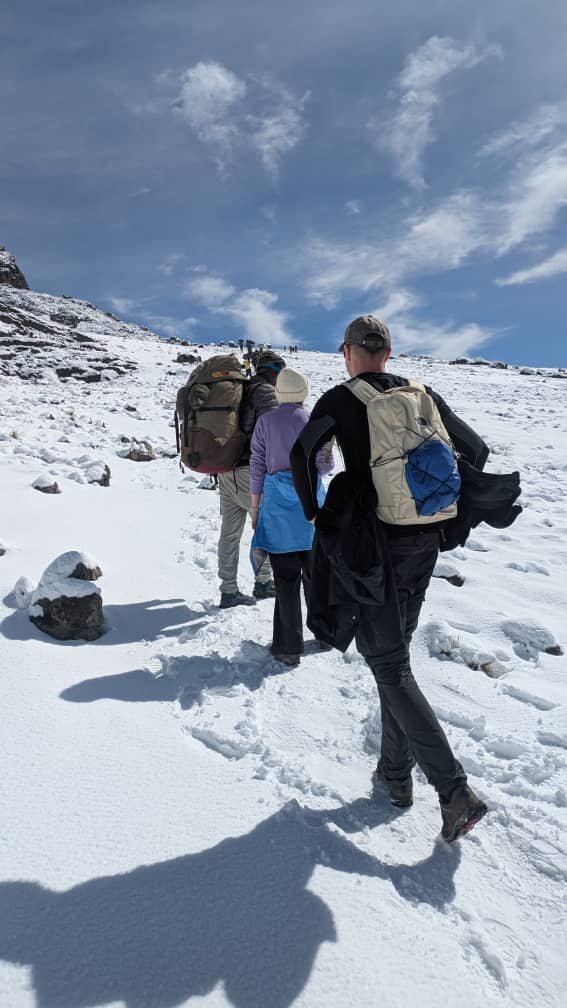
Combining a Kilimanjaro climb with a Serengeti Migration safari in September offers unparalleled wildlife viewing and trekking opportunities. This guide details the best of both experiences...
View package details
August Kilimanjaro Climb With River-Crossing Safari: Your Ultimate Tanzania
Combine the challenge of climbing Mount Kilimanjaro in August with the thrill of witnessing the Great Migration river crossings on a safari. This guide covers itineraries, routes, packing...
View package details
August Kilimanjaro And Migration Safari: Your Ultimate Tanzania Adventure
Combine a Kilimanjaro trek with witnessing the Great Migration in August for an unforgettable Tanzania adventure. This guide covers everything you need to know for your 2026-2027 trip.
View package details
July Kilimanjaro Climb With Northern Serengeti Safari In 2026-2027
Combine the challenge of climbing Mount Kilimanjaro with the unparalleled wildlife spectacle of a Northern Serengeti safari during July. This guide details everything you need to know for...
View package details
July Kilimanjaro And Great Migration Safari: Expert Guide 2026-2027
Combine a Kilimanjaro ascent with witnessing the Great Migration in Tanzania during July. This guide covers everything from optimal routes and safari lodges to packing lists and essential...
View package detailsJune Kilimanjaro Climb After A Safari: Your Ultimate Guide 2026-2027
Combining a Tanzania safari with a Kilimanjaro climb in June is an unforgettable adventure. This guide covers everything you need to know for a successful 2026-2027 trip, from weather...
View package details
June Kilimanjaro Climb Before A Tanzania Safari In 2026-2027
Combining a Mount Kilimanjaro climb with a Tanzania safari is a dream for many adventurers. June offers excellent conditions for both, making it a prime month to experience these iconic...
View package details
June Kilimanjaro And Serengeti Safari Guide
start a dual adventure in June, conquering Mount Kilimanjaro and experiencing the magic of a Serengeti safari. This guide details the best of Tanzania in June, covering weather, wildlife...
View package details
May Kilimanjaro Climb And Wildlife Safari Guide
Combine the thrill of summiting Mount Kilimanjaro with an unforgettable wildlife safari in Tanzania during May. This guide covers everything you need to know for an epic adventure in...
View package detailsNo related package matches those filters. Clear one or more filters to see the other topic-matched options.
Plan your Namibia safari with Climb 4 Africa
Tell us your travel dates, group size, comfort level, and dream experience. We will help you shape a clear, realistic, and memorable Tanzania itinerary.



