
Updated planning guide for 2026, 2027
Tanzania Safari For Beginners: What To Expect: Best Guide
Planning your first safari in Tanzania? This beginner's guide covers everything you need to know, from choosing parks and best times to visit in 2026 and 2027, to packing, safety, and what to expect on the ground. Make your dream safari a reality.
WhatsApp +255616946642 | topguideadventures@gmail.com | info@topguideadventures.com

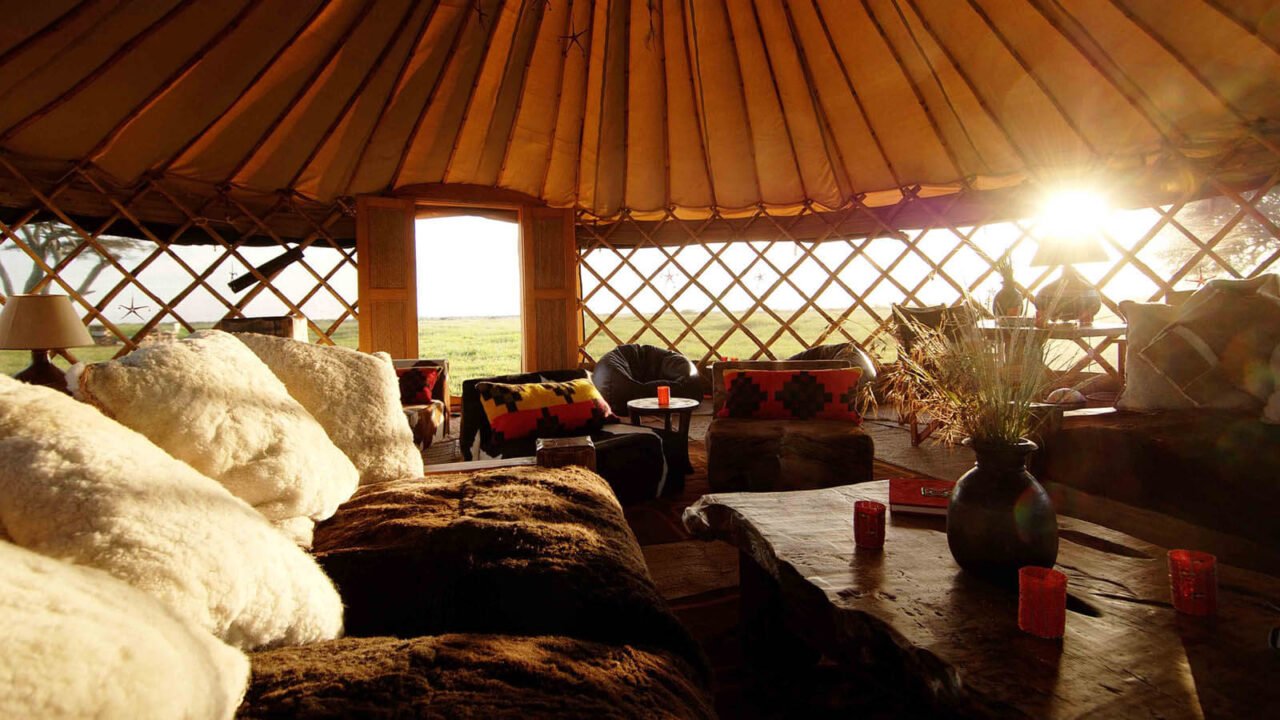
Tanzania Safari for Beginners: What to Expect
A Tanzania safari is often a dream trip, conjuring images of vast savannas dotted with wildlife, the Great Migration, and iconic landscapes. For first-time visitors, however, the prospect can also feel overwhelming. What exactly should you expect? How do you even begin planning a Tanzania safari for beginners? This guide aims to demystify the process, providing practical advice and insights to help you prepare for an incredible adventure in 2026 or 2027.
From understanding the best parks and seasons to knowing what to pack and how to choose a tour operator, we’ve got you covered. Let’s break down what makes a Tanzanian safari so special and how you can make the most of your first experience.
Quick Facts: Tanzania Safari
| Feature | Details |
|---|---|
| Best Time to Visit | Dry season (June-October) for general game viewing and migration. Wet season (November-May) for lush landscapes and birding, with fewer crowds. |
| Popular Parks | Serengeti, Ngorongoro Crater, Tarangire, Lake Manyara, Selous (Nyerere National Park), Ruaha. |
| Wildlife Highlights | The “Big Five” (Lion, Leopard, Elephant, Rhino, Buffalo), Wildebeest Migration, diverse birdlife, primates. |
| Typical Safari Duration | 5-10 days, depending on itinerary and parks visited. |
| Accommodation Options | Luxury lodges, tented camps (permanent and mobile), budget guesthouses. |
| Getting Around | 4×4 safari vehicles with pop-up roofs are standard. |
Understanding the Appeal: Why Tanzania?
Tanzania is a premier safari destination for good reason. It boasts an unparalleled density and diversity of wildlife, coupled with some of Africa’s most spectacular natural wonders. For beginners, this means a high likelihood of incredible animal sightings and breathtaking scenery.
- The Serengeti National Park: World-renowned for the Great Migration, where millions of wildebeest, zebras, and gazelles traverse the plains. It’s an endless expanse of grassland offering classic safari vistas.
- The Ngorongoro Conservation Area: Home to the Ngorongoro Crater, a UNESCO World Heritage Site and a natural caldera teeming with wildlife. It’s one of the best places to see the Big Five in a single day, with a high concentration of animals in a relatively small area.
- Tarangire National Park: Famous for its large elephant herds and iconic baobab trees, especially prominent during the dry season when animals congregate around the Tarangire River.
- Lake Manyara National Park: Known for its tree-climbing lions, large troops of baboons, and diverse birdlife, set against the backdrop of a stunning alkaline lake.
- Southern Tanzania (Nyerere National Park/Selous & Ruaha): Offers a more remote and less crowded experience, with vast wilderness areas, excellent game viewing, and unique activities like boat safaris.
These parks, often combined in popular northern circuit itineraries, offer a fantastic introduction to the Tanzanian safari experience. The sheer abundance of wildlife and the dramatic landscapes ensure that even a short trip can be profoundly rewarding.
When to Plan Your Tanzania Safari: Seasonality Matters
Deciding on the best time to visit is crucial for a Tanzania safari for beginners. The country has distinct wet and dry seasons, each offering a different, yet equally compelling, safari experience.
Tanzania Safari Seasons: What to Expect
| Season | Months | Pros | Cons | Best For |
|---|---|---|---|---|
| Dry Season | June – October | Clear skies, excellent game viewing as animals gather at water sources, easier wildlife spotting due to sparser vegetation, the Great Migration river crossings (July-September). | Peak tourist season, higher prices, can be crowded in popular areas. | General wildlife viewing, witnessing the Great Migration river crossings, photography. |
| Short Rains | November – December | Lush landscapes begin to return, fewer crowds, lower prices, good game viewing. | Occasional short rain showers, the migration is moving south. | Birdwatching, seeing young animals being born, fewer crowds. |
| Long Rains | January – May | Greenest landscapes, spectacular scenery, excellent birding, calving season for wildebeest (Jan-Feb), very few tourists, lowest prices. | Rain can disrupt game drives, some roads may be challenging, migration is in the south/central Serengeti. | Budget travelers, photographers seeking dramatic skies, birdwatchers, calving season. |
For 2026 and 2027 planning: If witnessing the Great Migration river crossings is a top priority, aim for July to September. For a balance of good weather, abundant wildlife, and potentially fewer crowds than peak season, consider June or October. If budget is a primary concern and you don’t mind the possibility of rain, the long rains from January to May offer a unique, green Tanzania.
Planning Your Itinerary: Northern Circuit vs. Southern Circuit
For most beginners, the Northern Circuit is the most logical choice due to its accessibility, variety of parks, and high concentration of wildlife. A typical itinerary might look like this:
Sample 7-Day Northern Circuit Itinerary for Beginners
- Day 1: Arrival in Arusha. Transfer to your lodge. Briefing with your guide.
- Day 2: Arusha to Tarangire National Park. Game drive focusing on elephants and baobabs. Overnight near the park or in Karatu.
- Day 3: Tarangire to Ngorongoro Conservation Area. Visit a Maasai village (optional). Descend into the Ngorongoro Crater for a half-day game drive. Overnight in Karatu or on the crater rim.
- Day 4: Ngorongoro to Serengeti National Park. Drive to the Serengeti, with a game drive en route. Depending on the season, you might head towards the central Serengeti (Seronera) or further north/south based on migration movements.
- Day 5: Serengeti National Park. Full day of game drives exploring different areas of the Serengeti.
- Day 6: Serengeti National Park. Morning game drive, then drive back towards Arusha or Karatu, or fly out from a Serengeti airstrip.
- Day 7: Departure. Transfer to Kilimanjaro International Airport (JRO) for your flight home.
Note: This is a sample. Itineraries can be customized to include more days, specific interests, or different parks.
The Southern Circuit (Nyerere National Park and Ruaha National Park) offers a different experience. It’s less developed, more wild, and ideal for those seeking a more exclusive safari. It often requires internal flights to reach, adding to the cost and complexity for a first-time visitor unless specifically seeking this type of adventure. For a beginner, the Northern Circuit typically provides more diverse landscapes and wildlife encounters in a shorter period.
What to Expect on a Tanzania Safari: The Daily Experience
Your typical safari day will revolve around game drives, which are the primary way to explore the parks and spot wildlife. Here’s a breakdown of what to anticipate:
- Early Mornings: Most game drives start early, often just after sunrise. This is when animals are most active, and the light is often best for photography.
- Game Drives: You’ll be in a 4×4 safari vehicle, usually with a pop-up roof for unobstructed viewing and photography. Your experienced guide will drive, stopping whenever you spot an animal of interest. They are skilled at finding wildlife and understanding animal behavior.
- Midday Breaks: Safaris usually take a break during the hottest part of the day. You might return to your lodge for lunch and some relaxation, or enjoy a picnic lunch in a scenic spot.
- Afternoon/Evening Drives: Another game drive typically takes place in the late afternoon, continuing until sunset. Some parks allow limited night drives, offering a chance to see nocturnal animals.
- Accommodation: You’ll stay in lodges or tented camps. Lodges are more permanent structures, while tented camps range from basic canvas tents to luxurious canvas suites, often with en-suite bathrooms and comfortable furnishings. All are designed to immerse you in the environment while providing comfort and safety.
- Meals: Meals are usually served at your accommodation. Expect hearty, often buffet-style meals, with options catering to various dietary needs if communicated in advance. Picnic lunches are common during full-day game drives.
The pace is generally relaxed, allowing you to soak in the surroundings. The thrill comes from the unexpected sightings and the sheer scale of the wilderness. Don’t expect a zoo-like experience; wildlife sightings are not guaranteed, but the probability is very high in Tanzania’s protected areas.
Packing for Your Tanzania Safari: Essentials for Beginners
Packing correctly is key to comfort and enjoyment. The focus is on practical, comfortable clothing that blends with the environment. Avoid bright colors, as they can startle animals.
Safari Packing Checklist
- Clothing: Neutral colors (khaki, beige, olive green, brown), lightweight, breathable fabrics. Long-sleeved shirts and trousers for sun and insect protection. A warm fleece or jacket for cool mornings and evenings. Shorts or comfortable trousers for relaxing at the lodge.
- Footwear: Comfortable walking shoes or hiking boots (if planning walking safaris), sandals or flip-flops for the lodge.
- Headwear: Wide-brimmed hat or cap for sun protection.
- Eyewear: Sunglasses.
- Sun Protection: High SPF sunscreen, lip balm with SPF.
- Insect Repellent: Containing DEET or Picaridin.
- Camera Gear: Camera, extra batteries, memory cards, zoom lens (essential for wildlife), tripod (optional). Binoculars are highly recommended.
- Health: Personal first-aid kit, any prescription medications. Consult your doctor about malaria prophylaxis and necessary vaccinations well in advance of your 2026/2027 trip.
- Documents: Passport, visa (if required), flight details, travel insurance, emergency contact information. Keep copies separate from originals.
- Miscellaneous: Reusable water bottle, small backpack for day trips, travel adapter (Type G is common in Tanzania), headlamp or flashlight.
What to leave behind: Brightly colored clothing, camouflage clothing (often prohibited), excessive jewelry, large amounts of cash.
Common Mistakes to Avoid on Your First Tanzania Safari
Learning from others’ experiences can help you avoid common pitfalls and ensure a smoother trip.
- Not booking in advance: Especially for popular times like the migration season or for 2026/2027, accommodation and good guides book up quickly.
- Overpacking: Luggage restrictions on small bush planes can be strict. Stick to essentials.
- Ignoring health advice: Consult your doctor about vaccinations and malaria prevention well before departure.
- Expecting guaranteed sightings: Wildlife is wild. While Tanzania offers incredible opportunities, patience and flexibility are key.
- Choosing the cheapest option: The lowest price often means compromising on vehicle quality, guide expertise, accommodation standards, or park fees. For a Tanzania safari for beginners, quality is worth the investment.
- Not using binoculars: These are essential for spotting distant animals or details on closer ones.
- Wearing the wrong clothes: Bright colors can scare wildlife and attract insects.
- Underestimating travel times: Distances in Tanzania can be large, and road conditions can vary.
Who is a Tanzania Safari Best Suited For?
Tanzania safaris are incredibly versatile and can be tailored to suit a wide range of travelers. For beginners, they are particularly well-suited for:
- Wildlife Enthusiasts: Anyone with a passion for animals and nature will be in awe of Tanzania’s biodiversity.
- Nature Lovers: The dramatic landscapes, from the Serengeti plains to the Ngorongoro Crater, are a feast for the eyes.
- Photographers: The opportunities for stunning wildlife and landscape photography are immense.
- Families: Many lodges and operators cater to families, offering child-friendly activities and accommodations. It’s a fantastic educational experience for children.
- Couples and Honeymooners: Romantic lodges, incredible sunsets, and the thrill of adventure make it a memorable destination.
- Adventure Seekers: While game drives are the main activity, options like walking safaris, hot air balloon rides, and cultural visits add an adventurous edge.
The primary requirement is a sense of wonder and a willingness to embrace the natural world. If you’re looking for a comfortable yet wild experience, Tanzania is an excellent choice.
Alternatives to a Traditional Tanzania Safari
While Tanzania is a top-tier destination, other African countries offer incredible safari experiences, each with its own unique charm. For beginners looking at options or considering future trips, these are worth noting:
- Kenya: Neighboring Tanzania, Kenya offers similar wildlife viewing, including the Great Migration in the Masai Mara. It’s often considered slightly more developed in terms of tourism infrastructure.
- Botswana: Known for its high-end, low-impact tourism model, Botswana offers pristine wilderness, particularly the Okavango Delta. It’s generally more expensive but offers exclusivity.
- South Africa: Offers a diverse range of safari experiences, from the famous Kruger National Park to private reserves. It’s often easier to access and can be more budget-friendly, with excellent infrastructure.
- Uganda/Rwanda: While offering fantastic general wildlife viewing, these countries are primarily sought after for gorilla trekking, a distinct but complementary experience to a savanna safari.
For a first-time safari focusing on classic savanna wildlife and the Great Migration, Tanzania remains a top contender. Its vastness and variety are hard to match.
Planning Your Tanzania Safari for 2026/2027: Key Considerations
Planning ahead is crucial, especially for trips in 2026 and 2027. Here’s a timeline and key steps:
- 12-18 Months Out: Research & Vision.
- Determine your budget range (safaris can vary significantly in cost).
- Decide on the time of year you want to travel.
- Identify your priorities: Great Migration, Big Five, photography, birding, cultural experiences, relaxation.
- Start researching tour operators. Look for companies with good reviews, local expertise, and clear communication.
- 9-12 Months Out: Booking Key Elements.
- Contact Tour Operators: Request quotes and sample itineraries. Discuss your interests and budget. For a Tanzania safari for beginners, clarity and good communication with your operator are vital.
- Choose Your Itinerary: Work with your chosen operator to finalize your route and duration.
- Book Flights: International flights to Kilimanjaro International Airport (JRO) or potentially Nairobi (NBO) with a connecting flight to Tanzania.
- Book Accommodation: Your tour operator will typically handle this, but confirm the type and standard of lodges/camps. Popular options for 2026/2027 will book up.
- 6-9 Months Out: Health & Visas.
- Consult Your Doctor: Discuss necessary vaccinations (e.g., Yellow Fever, Hepatitis A, Typhoid) and malaria prevention.
- Visa Requirements: Check if you need a visa for Tanzania and apply if necessary.
- 3-6 Months Out: Finalizing Details.
- Confirm Final Itinerary and Payments: Ensure all details are correct and make final payments as per your operator’s schedule.
- Purchase Travel Insurance: Ensure it covers medical emergencies, trip cancellation, and lost luggage.
- Start Packing: Begin gathering your safari essentials.
- 1-3 Months Out: Last-Minute Preparations.
- Pack Your Bags: Follow the packing list.
- Inform Your Bank: Let them know your travel dates and destinations to avoid issues with card usage.
- Print Documents: Have hard copies of important documents.
Booking early for 2026 and 2027 will give you the best selection of accommodations, guides, and potentially better pricing, especially if you are traveling during peak seasons.
Choosing a Tour Operator: Your Partner in Planning
Selecting the right tour operator is one of the most critical decisions for a Tanzania safari for beginners. They are your local experts and will manage logistics, guide your experience, and ensure your safety and comfort.
What to Look for in a Tour Operator
| Criteria | Why it Matters |
|---|---|
| Local Expertise | A local operator understands the nuances of Tanzanian parks, wildlife, culture, and logistics better than an international one. |
| Reputation & Reviews | Check independent review sites (e.g., TripAdvisor) for consistent positive feedback on service, guides, and value. |
| Customization Options | The best operators can tailor itineraries to your specific interests, pace, and budget. |
| Guide Quality | Experienced, knowledgeable, and personable guides are crucial for an enriching safari. Ask about guide training and experience. |
| Vehicle Quality | Well-maintained 4×4 safari vehicles with pop-up roofs are essential for comfort and game viewing. |
| Transparency | Clear pricing, detailed itineraries, and open communication about what’s included and excluded. |
| Responsibility | Look for operators committed to sustainable tourism practices and supporting local communities. |
When you connect with potential operators, ask specific questions about their vehicles, guides, typical group sizes, and how they handle emergencies. A good operator will feel like a partner, guiding you through every step of planning your Tanzania safari for beginners.
Frequently Asked Questions (FAQs) About Tanzania Safaris
Your Tanzania Safari Questions Answered
Q1: Is Tanzania safe for a safari?
Yes, Tanzania is generally very safe for tourists, especially when participating in organized safaris. Reputable tour operators prioritize guest safety. Standard precautions apply, such as not wandering off alone in unfamiliar areas and being aware of your surroundings. Health precautions, like malaria prevention, are also important.
Q2: What is the cost of a Tanzania safari?
Safari costs vary widely depending on the length of your trip, the parks you visit, the level of accommodation, and the season. Generally, expect to pay more during the peak dry season (June-October) and for luxury accommodations. Budget safaris are possible, but quality of guiding and vehicles is paramount for a good experience. For 2026 and 2027, early booking might offer more stable pricing.
Q3: Do I need to be very fit for a safari?
No, a high level of fitness is not required for a standard Tanzania safari. Most of your time will be spent in a safari vehicle. The main physical activities might include getting in and out of the vehicle, walking short distances to lodges, and potentially optional walking safaris (which are usually at a relaxed pace). If you plan to climb Kilimanjaro alongside your safari, then fitness becomes essential.
Q4: What’s the difference between a lodge and a tented camp?
Lodges are permanent structures, often built with brick or stone, offering private rooms, en-suite bathrooms, and amenities like swimming pools. Tented camps use canvas tents as accommodation. These can range from basic explorer-style tents to luxurious canvas suites with solid floors, private bathrooms, and comfortable furnishings. Both offer unique ways to experience the wilderness.
Q5: Will I see the Great Migration on my safari?
The Great Migration is a year-round phenomenon, with the herds constantly moving. The most dramatic events, like river crossings, typically occur between July and September in the northern Serengeti. Outside of these months, the herds are spread across different parts of the Serengeti, calving in the southern plains (January-March) or grazing in the central and western corridors. Your tour operator can advise on the best locations based on the time of year for your 2026/2027 trip.
Q6: Can I do a safari on a tight budget?
Yes, it’s possible to do a safari on a tighter budget. This often involves traveling in the low season (long rains), choosing more basic accommodation (e.g., park bandas or budget guesthouses), and opting for shorter itineraries. However, it’s crucial not to compromise too much on the quality of your guide and vehicle, as these are central to the safari experience.
Q7: What currency is used in Tanzania?
The local currency is the Tanzanian Shilling (TZS). However, US Dollars are widely accepted and often preferred for safari payments, park fees, and lodge bills. It’s advisable to carry some local currency for smaller purchases in towns or at local markets. Ensure your USD bills are newer (post-2009) and in good condition.
Q8: What kind of food can I expect on safari?
Food on safari is generally good and plentiful. Lodges and camps typically serve a mix of international and local dishes, often buffet-style for breakfast and dinner, with plated lunches or picnic lunches during game drives. Expect fresh fruits, vegetables, and hearty main courses. If you have dietary restrictions, inform your tour operator well in advance.
Q9: How much should I tip my safari guide?
Tipping is customary and appreciated for good service. A general guideline for a private safari is $20-30 USD per day for your guide. For a group safari, it might be slightly less per person. Your tour operator can provide specific recommendations. Tips are usually given at the end of the safari.
Q10: Can I take photos and videos?
Absolutely! Photography is a highlight for most safari-goers. However, be mindful of local customs. It’s generally considered disrespectful to take photos of people without their permission. Inside national parks, you can photograph wildlife freely. For drone usage, check regulations as they are often restricted or prohibited in national parks.
Making Your Tanzania Safari Dream a Reality
A Tanzania safari for beginners is an accessible and profoundly rewarding experience. By understanding what to expect, planning thoughtfully, and choosing the right partners, you can create a trip that will stay with you for a lifetime. Whether you’re captivated by the drama of the Great Migration or the serene beauty of the Ngorongoro Crater, Tanzania offers an unparalleled connection to the wild.
Don’t let the planning process intimidate you. Focus on your interests, consult with experts, and prepare for an adventure that promises awe-inspiring wildlife encounters and breathtaking landscapes. Your journey into the heart of Africa awaits.
Ready to plan your unforgettable Tanzania safari? Whether you’re looking at options for 2026, 2027, or beyond, we are here to help. Contact us to discuss your personalized itinerary.
Get in touch today:
WhatsApp: +255616946642
Email: topguideadventures@gmail.com
Backup Email: info@topguideadventures.com

August Kilimanjaro Climb With River-Crossing Safari: Your Ultimate Tanzania
Combine the challenge of climbing Mount Kilimanjaro in August with the thrill of witnessing the Great Migration river crossings on a safari. This guide covers itineraries, routes, packing...
View package details
August Kilimanjaro And Migration Safari: Your Ultimate Tanzania Adventure
Combine a Kilimanjaro trek with witnessing the Great Migration in August for an unforgettable Tanzania adventure. This guide covers everything you need to know for your 2026-2027 trip.
View package details
June Kilimanjaro Climb Before A Tanzania Safari In 2026-2027
Combining a Mount Kilimanjaro climb with a Tanzania safari is a dream for many adventurers. June offers excellent conditions for both, making it a prime month to experience these iconic...
View package details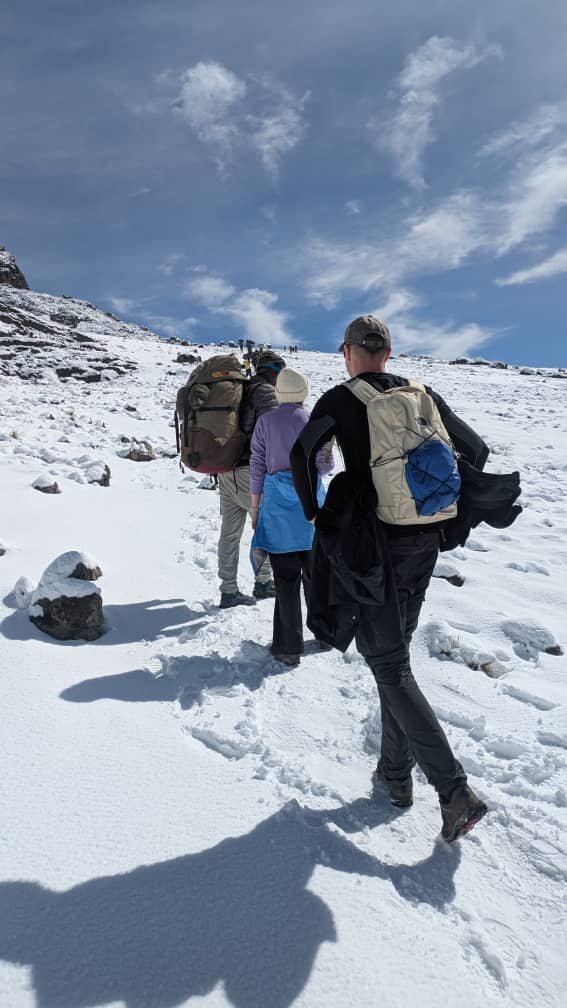
September Kilimanjaro And Serengeti Migration Safari : Your Ultimate Guide
Combining a Kilimanjaro climb with a Serengeti Migration safari in September offers unparalleled wildlife viewing and trekking opportunities. This guide details the best of both experiences...
View package details
July Kilimanjaro Climb With Northern Serengeti Safari In 2026-2027
Combine the challenge of climbing Mount Kilimanjaro with the unparalleled wildlife spectacle of a Northern Serengeti safari during July. This guide details everything you need to know for...
View package details
July Kilimanjaro And Great Migration Safari: Expert Guide 2026-2027
Combine a Kilimanjaro ascent with witnessing the Great Migration in Tanzania during July. This guide covers everything from optimal routes and safari lodges to packing lists and essential...
View package detailsJune Kilimanjaro Climb After A Safari: Your Ultimate Guide 2026-2027
Combining a Tanzania safari with a Kilimanjaro climb in June is an unforgettable adventure. This guide covers everything you need to know for a successful 2026-2027 trip, from weather...
View package details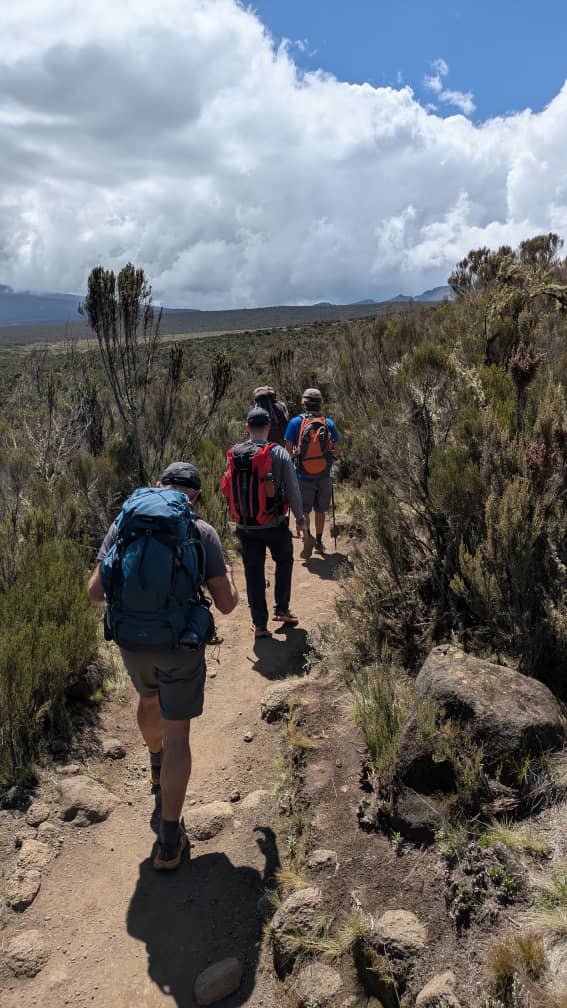
June Kilimanjaro And Serengeti Safari Guide
start a dual adventure in June, conquering Mount Kilimanjaro and experiencing the magic of a Serengeti safari. This guide details the best of Tanzania in June, covering weather, wildlife...
View package details
May Kilimanjaro Climb And Wildlife Safari Guide
Combine the thrill of summiting Mount Kilimanjaro with an unforgettable wildlife safari in Tanzania during May. This guide covers everything you need to know for an epic adventure in...
View package detailsNo related package matches those filters. Clear one or more filters to see the other topic-matched options.
Plan your Tanzania Safari for Beginners: What to Expect with Top Guide Adventures
Tell us your travel dates, group size, comfort level, and dream experience. We will help you shape a clear, realistic, and memorable Tanzania itinerary.



