A Nyerere Walking Safari offers an intimate and authentic wildlife viewing experience, typically costing between $450 – $800+ per person per day, depending on luxury level, duration, and inclusions. These private guided safaris focus on exploring Selous Game Reserve (now Nyerere National Park) on foot, led by expert guides who interpret the bush, track animals, and provide a deep understanding of the ecosystem. Planning for 2026-2027 should consider booking in advance, especially for peak seasons, to secure preferred guides and lodges.


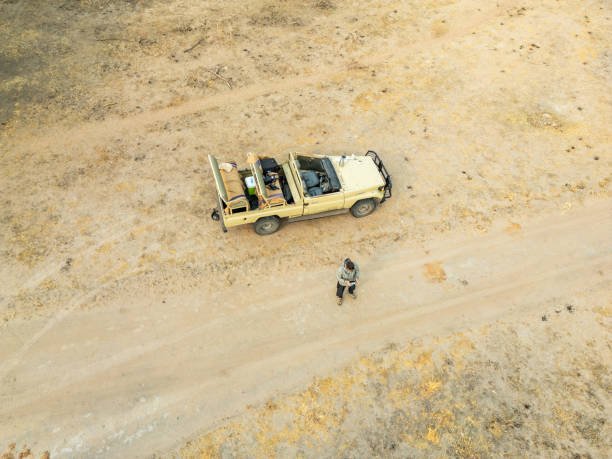
Understanding the Nyerere Walking Safari Experience
The Nyerere Walking Safari is not just about seeing animals; it’s about connecting with the wild in a way that traditional vehicle-based safaris cannot replicate. This style of safari emphasizes the sensory details of the African bush: the scent of rain on dry earth, the distant roar of a lion, the intricate patterns of insect life, and the sheer scale of the landscape. Unlike game drives, walking safaris allow you to move at the pace of nature, observing smaller creatures and plants, learning about tracking, and understanding animal behavior from a unique perspective.
Nyerere National Park, formerly the Selous Game Reserve, is one of Africa’s largest wildlife sanctuaries and a UNESCO World Heritage site. Its vast, diverse habitats – from miombo woodlands and riverine forests to open grasslands and the Rufiji River delta – support an incredible array of wildlife. This includes large populations of elephants, lions, leopards, cheetahs, wild dogs, hippos, crocodiles, and an astonishing variety of birdlife. The walking safari here leverages this immense biodiversity, offering encounters that are both thrilling and educational.
A private guided experience is paramount for a walking safari. It ensures that your safety, comfort, and learning are prioritized. Your guide is not merely an observer but an expert interpreter of the environment, trained in wildlife behavior, safety protocols, and bushcraft. They will lead you through areas inaccessible by vehicle, revealing hidden details and providing insights that enrich your understanding of the ecosystem. This personalized approach allows for flexibility in pace and focus, catering to your specific interests, whether they lie in ornithology, tracking, photography, or simply soaking in the atmosphere of the wild.
Key Elements of a Nyerere Walking Safari
When you book a Nyerere Walking Safari, you are signing up for an experience characterized by several key elements:
- Expert Guidance: Your guide is the cornerstone of the experience. They possess intimate knowledge of the park, animal movements, and potential hazards. Their training ensures they can read the bush, identify tracks, and make informed decisions to keep you safe while maximizing your wildlife encounters.
- Intimate Wildlife Encounters: Walking allows for a much closer connection to the environment. You’ll notice the small things – the dung beetles rolling their balls, the intricate designs of termite mounds, the medicinal uses of plants. While large mammals are a highlight, the focus is on a holistic appreciation of the ecosystem.
- Sensory Immersion: The absence of a vehicle engine allows you to engage all your senses. You hear the rustling in the undergrowth, smell the distinct aroma of the bush, feel the texture of the earth beneath your feet, and see the subtle signs of animal passage.
- Remote Exploration: Walking safaris often venture into areas less frequented by vehicle traffic, offering a sense of solitude and pristine wilderness. This is particularly true in Nyerere National Park, with its vastness providing ample space for exploration.
- Safety First: While thrilling, walking safaris require strict adherence to safety guidelines. Guides are armed and trained to manage any potential encounters with dangerous wildlife. Your safety is their absolute priority, and they will brief you thoroughly on procedures.
- Customized Itineraries: A private guided experience means your safari can be tailored. You can spend more time observing a particular species, focus on photography, or request routes that align with your interests and fitness levels.
Nyerere National Park: The Ideal Setting for Walking Safaris
Nyerere National Park is a vast expanse of 30,893 square kilometers, making it one of the largest national parks in Africa. Its sheer size and diverse topography create a rich environment for wildlife and a compelling backdrop for walking safaris.
Habitats and Wildlife Diversity
The park’s landscape is a mosaic of ecosystems:
- Miombo Woodlands: These vast, dry woodlands cover much of the park and are home to diverse antelope species, giraffes, and elephants. Walking here allows for tracking animals through the dense foliage and observing the unique flora.
- Riverine Forests: Along the Rufiji River and its tributaries, dense green forests teem with life. These areas are excellent for spotting primates, hippos, crocodiles, and a multitude of bird species. Walking along the riverbanks offers unique photographic opportunities.
- Open Grasslands: These plains are often where large herds graze, and predators like lions and cheetahs hunt. Walking in these areas requires extra vigilance and expert guidance due to the open terrain and potential for close encounters.
- The Rufiji River System: This massive river is the lifeblood of the park, supporting immense populations of hippos and crocodiles. Boat safaris are popular here, but walking along designated safe areas can offer different perspectives.
Why Nyerere is Perfect for Walking
Nyerere National Park was historically known as the Selous Game Reserve, renowned for its pioneering conservation efforts and its suitability for walking safaris. The park’s size means that large areas remain wild and relatively untouched, offering a genuine wilderness experience. The Rufiji River system provides critical water sources, attracting a high concentration of wildlife, especially during the dry season. The park’s management has historically supported low-impact tourism, with walking safaris being a cornerstone of its offering. For those seeking an authentic, uncrowded safari adventure in 2026 or 2027, Nyerere offers an unparalleled opportunity.
Planning Your Nyerere Walking Safari: Cost Considerations for 2026-2027
The cost of a Nyerere Walking Safari is highly variable and depends on several factors. It’s crucial to understand these components to budget effectively for your trip in 2026 or 2027.
Typical Cost Range
As a general guideline, expect to pay between $450 and $800+ per person per day for a private guided walking safari in Nyerere National Park. This range encompasses different levels of accommodation and service. Lower-end prices might reflect more basic, tented camps, while higher prices will include luxury lodges, exclusive guiding services, and potentially longer walking durations or more specialized activities.
Factors Influencing Cost
Several elements will impact the final price:
- Accommodation: This is often the largest cost component. Options range from fly camps (basic, mobile tented camps set up specifically for your safari) and comfortable tented camps to luxurious lodges. The level of comfort, amenities, and exclusivity at your chosen accommodation will significantly affect the daily rate.
- Duration of Safari: Longer safaris naturally incur higher overall costs, though some operators may offer slight discounts for extended stays. The number of days dedicated specifically to walking will also be a factor.
- Number of People: While this is a private guided experience, the cost is typically quoted per person. If you are a solo traveler, expect a higher per-person rate than if you are a couple or a small group sharing costs.
- Inclusions: A comprehensive package usually includes accommodation, all meals, park fees, guiding services, internal transfers (often by light aircraft from Dar es Salaam), and certain activities like walking and boating. Exclusions might be international flights, visa fees, travel insurance, tips, and personal expenses. Always clarify what is included.
- Time of Year: While Nyerere National Park is a year-round destination, peak seasons (typically the dry season from June to October) may see slightly higher rates due to demand. However, walking safaris are excellent even in the shoulder seasons.
- Guiding Services: The level of expertise and specialization of your guide can influence cost. Highly experienced guides with specific skills (e.g., expert trackers, armed rangers for dangerous game areas) may command higher rates.
- Transportation: The cost of flying between locations (e.g., from Dar es Salaam to a Nyerere airstrip) is a significant factor and is usually included in safari packages.
Budgeting for 2026-2027
When planning for 2026 or 2027, it’s wise to add a buffer to your estimated budget for unforeseen expenses. Consider these points:
- Park Fees: Nyerere National Park has daily conservation fees, which are subject to change. Confirm the current rates for 2026-2027.
- Tipping: While often not included in the upfront cost, tipping guides, camp staff, and rangers is customary. Budget around $10-20 per guest per day for your guide and a smaller amount for camp staff.
- Travel Insurance: Essential for any safari, ensure your policy covers medical emergencies, evacuation, and trip cancellation.
- Visas and Flights: Factor in the cost of Tanzanian visas and your international flights to Kilimanjaro International Airport (JRO) or Julius Nyerere International Airport (DAR).
Estimated Daily Cost Breakdown (Per Person)
This is a simplified estimate and actual quotes will vary:
| Component | Budget/Mid-Range Estimate | Luxury Estimate |
|---|---|---|
| Accommodation (per night) | $200 – $400 | $500 – $1000+ |
| Park Fees (per day) | $70 – $100 | $70 – $100 |
| Guiding & Activities | $100 – $150 | $150 – $250+ |
| Internal Flights (pro-rated daily) | $50 – $100 | $70 – $150 |
| Meals & Drinks (if not all-inclusive) | $50 – $80 | $80 – $150 |
| $470 – $830 | $870 – $1750+ |
Note: This table provides a general idea. For an accurate quote for your Nyerere Walking Safari in 2026-2027, please contact us directly.
Crafting Your Nyerere Walking Safari Itinerary
A typical Nyerere Walking Safari itinerary is designed to maximize your immersion in the wilderness while ensuring safety and comfort. The duration can vary, but a 3-5 day walking-focused safari is common, often combined with other safari activities.
Sample Itinerary Structure (4 Days / 3 Nights Walking Focus)
Day 1: Arrival in Nyerere & First Steps into the Bush
- Arrive at a Nyerere National Park airstrip (e.g., Beho Beho, Mtemere) via light aircraft from Dar es Salaam.
- Meet your private guide and transfer to your chosen camp/lodge.
- After settling in and a briefing, start your first guided walking safari in a designated safe zone. Focus on understanding the smaller details of the bush, tracking, and identifying flora and fauna.
- Return to camp for sundowners and dinner.
Day 2: Deeper Exploration on Foot
- Early morning wake-up call with coffee/tea.
- Head out for a longer walking safari, perhaps exploring different habitats like woodlands or riverine areas. Your guide will focus on tracking larger game, explaining animal behavior, and sharing knowledge of the ecosystem.
- Enjoy a packed bush breakfast or lunch in a scenic spot.
- Continue walking, focusing on areas known for specific wildlife concentrations.
- Return to camp in the late afternoon. Optional: Evening game drive or relaxation.
Day 3: Riverine Exploration & Wildlife Tracking
- After breakfast, venture out on a walking safari with a focus on the Rufiji River system or its tributaries (where permitted and safe). Look for hippos, crocodiles, and abundant birdlife.
- Your guide might focus on tracking predators like lions or wild dogs if recent signs have been found.
- Enjoy a final bush lunch.
- The afternoon could involve a boat safari on the Rufiji River for a different perspective, or another guided walk exploring a new section of the park.
- Farewell dinner at your camp.
Day 4: Final Walk & Departure
- Optional early morning walk for final wildlife viewing opportunities.
- Return to camp for breakfast.
- Transfer to the airstrip for your light aircraft flight back to Dar es Salaam, concluding your Nyerere Walking Safari experience.
This is a sample, and your actual itinerary will be customized. For instance, you might combine walking with game drives and boat trips for a more varied experience. The exact routes and areas explored will depend on wildlife movements, safety conditions, and your guide’s expert assessment.
What to Pack for Your Nyerere Walking Safari
Packing appropriately is key to enjoying your walking safari. Comfort, safety, and practicality are the main considerations.
Essential Clothing:
- Neutral-colored clothing: Earth tones (khaki, olive green, beige, brown) are best. Avoid bright colors and black/dark blue, which can attract tsetse flies and make animals wary.
- Lightweight, breathable fabrics: Cotton, linen, or technical hiking fabrics are ideal for the heat.
- Long-sleeved shirts and long trousers: Essential for sun protection, insect protection, and protection against thorns and scratches during walks.
- A warm layer: Evenings and early mornings can be cool, especially during the dry season. A fleece or light jacket is recommended.
- Comfortable walking boots: Broken-in, sturdy hiking boots with good ankle support are crucial.
- Comfortable camp shoes/sandals: For relaxing at the lodge/camp.
- Socks: Breathable hiking socks.
- Hat: A wide-brimmed hat for sun protection is essential.
- Pajamas/sleepwear.
Gear and Accessories:
- Sunscreen: High SPF.
- Insect repellent: With DEET or Picaridin.
- Sunglasses.
- Binoculars: Essential for wildlife viewing.
- Camera and accessories: Extra batteries, memory cards, and a zoom lens are highly recommended.
- Headlamp or small flashlight: Useful for navigating camp at night.
- Reusable water bottle.
- Small backpack/daypack: For carrying water, snacks, camera, and extra layers during walks.
- Personal first-aid kit: Including any personal medications, blister treatment, pain relievers, and antiseptic wipes.
- Hand sanitizer.
- Toiletries: Biodegradable options are preferred.
- Travel adapter and power bank: For charging electronics.
- Passport, visa, and copies of important documents.
- Cash (USD): For tips and personal purchases.
Important Considerations:
- Weight limits: If flying by light aircraft, baggage is usually restricted to 15-20 kg (33-44 lbs) in soft-sided duffel bags.
- Water: Drinking water is usually provided, but carrying your own bottle is good practice.
- Respecting Wildlife: Always follow your guide’s instructions. Maintain a safe distance and avoid sudden movements or loud noises.
Safety Protocols for Walking Safaris
Safety is the absolute priority on any walking safari. Your guide is professionally trained and equipped to manage risks. Understanding and adhering to their instructions is crucial for a safe and enjoyable experience.
Guide’s Role and Responsibilities
Your guide is not just an expert on wildlife; they are trained in:
- Wildlife Behavior: Understanding how different animals react and identifying signs of aggression or stress.
- Tracking: Reading animal tracks to anticipate movements and avoid unwanted encounters.
- Bushcraft: Navigating terrain safely, identifying potentially dangerous plants or insects.
- First Aid: Providing immediate medical assistance if needed.
- Firearms Handling: Safely carrying and using a rifle for defense against dangerous animals if absolutely necessary. This is a last resort measure.
Key Safety Guidelines for Participants
To ensure your safety, always:
- Stay Close to Your Guide: Never wander off on your own. Maintain the distance your guide indicates.
- Listen Carefully: Pay close attention to all instructions given by your guide.
- Move Quietly: Avoid loud noises or sudden movements that could startle wildlife.
- Do Not Approach Animals: Let the animals dictate the proximity. Your guide will manage encounters.
- Do Not Feed Animals: This is strictly forbidden and dangerous.
- Be Aware of Your Surroundings: Look where you step and be mindful of insects, snakes, and uneven terrain.
- Report Any Concerns: If you feel unwell or uncomfortable, inform your guide immediately.
- Respect Boundaries: Your guide will establish a safe zone around potentially dangerous animals. Stay within it.
Specific Considerations for Nyerere
Nyerere National Park is home to large predators like lions, leopards, and cheetahs, as well as formidable herbivores like elephants and buffalo, and the powerful hippos and crocodiles along the Rufiji River. Your guide will be particularly attuned to the presence of these animals and will choose walking routes accordingly. Areas near water bodies or known predator territories will be approached with extreme caution. The presence of armed rangers may sometimes accompany walking groups in certain zones to enhance safety.
Comparing Nyerere Walking Safaris with Other Safari Types
The Nyerere Walking Safari offers a distinct experience compared to other popular safari formats. Understanding these differences helps in choosing the right adventure for your preferences.
Walking Safari vs. Game Drives
- Sensory Experience: Walking is far more in-depth. You hear, smell, and feel the environment directly. Game drives are more detached, with the vehicle acting as a barrier.
- Pace: Walking is slow and deliberate, allowing for appreciation of small details. Game drives are faster, covering more ground to find larger animals.
- Access: Walking allows access to areas vehicles cannot reach, offering unique perspectives and encounters. Game drives are restricted to designated tracks.
- Wildlife Interaction: Walking can lead to more intimate encounters, but requires greater caution. Game drives offer safety in a vehicle but can sometimes disturb animals more.
- Focus: Walking safaris often focus on the ecosystem as a whole – plants, insects, tracks, and behavior. Game drives are typically geared towards spotting large mammals.
Walking Safari vs. Boat Safaris
Boat safaris, particularly on the Rufiji River, are excellent for viewing hippos, crocodiles, and water birds. They offer a unique perspective from the water level.
- Environment: Boat safaris are water-based; walking safaris are land-based.
- Wildlife: Both offer unique sightings. Boats excel at aquatic life; walking excels at terrestrial animals and the broader bush environment.
- Activity Level: Boat safaris are generally sedentary. Walking safaris are physically active.
Walking Safari vs. Fly Camping
Fly camping involves setting up a temporary, often basic, camp in a remote wilderness location, usually reached after a day’s walk or drive. It’s an extension of the walking safari experience, offering a night under the stars in true isolation.
- Duration: Fly camping is an overnight or multi-night experience, often integrated into a longer walking safari.
- Comfort: Fly camps are typically very basic (tents, camp beds, bush ablutions) compared to permanent lodges or tented camps.
- Immersion: Fly camping offers the ultimate immersion, with a complete absence of modern amenities and proximity to the wild.
For a comprehensive Nyerere experience in 2026 or 2027, combining walking safaris with game drives and boat trips provides the most varied and complete understanding of the park’s diverse offerings.
Choosing the Right Operator for Your Nyerere Walking Safari
Selecting a reputable tour operator is crucial for a safe, well-organized, and memorable Nyerere Walking Safari. Climb 4 Africa specializes in tailor-made Tanzanian adventures, ensuring a high standard of service and expertise.
What to Look For in an Operator
- Experience and Reputation: Look for operators with a proven track record in Tanzania, particularly in Nyerere National Park. Check reviews on platforms like TripAdvisor.
- Expert Guides: Ensure they employ highly trained, experienced, and licensed walking safari guides.
- Safety Record: A strong emphasis on safety protocols and emergency preparedness is non-negotiable.
- Customization: Can they tailor the itinerary to your specific interests, budget, and pace?
- Inclusions and Transparency: Understand exactly what is covered in the price. Clear communication about inclusions, exclusions, and potential extra costs is vital.
- Local Knowledge: Operators with strong local connections often provide more authentic experiences and better logistical support.
- Sustainability Practices: Consider operators committed to responsible tourism and conservation.
Climb 4 Africa’s Approach
Climb 4 Africa is a Tanzanian-based company with extensive experience in organizing bespoke safaris. We understand the unique environment of Nyerere National Park and the specific requirements for a successful walking safari. Our team comprises passionate, knowledgeable guides and support staff dedicated to providing exceptional experiences.
- Personalized Planning: We work closely with you to design an itinerary that matches your expectations for a private guided Nyerere Walking Safari.
- Safety First: We adhere to strict safety standards, ensuring our guides are well-equipped and trained for all eventualities.
- Authentic Experiences: Our focus is on providing genuine connections with nature and wildlife, leveraging our deep understanding of the park.
- Competitive Pricing: We offer transparent pricing, ensuring you receive excellent value for your investment. We can provide detailed quotes for your 2026-2027 travel plans.
We are committed to making your Nyerere Walking Safari an unforgettable adventure. Whether you are planning for 2026 or 2027, we can help craft the perfect journey.
Frequently Asked Questions about Nyerere Walking Safaris
What is the best time of year for a Nyerere Walking Safari?
Nyerere National Park is a year-round destination. The dry season (June to October) is often considered ideal for walking safaris as wildlife congregates around water sources, and the vegetation is less dense, making tracking easier. However, the green season (November to May) offers lush landscapes, fewer tourists, and excellent birdwatching. Walking safaris are possible throughout the year, with guides adapting routes based on conditions.
Are walking safaris safe in Nyerere National Park?
Yes, walking safaris are safe when conducted with experienced, licensed guides who are trained in wildlife management and safety protocols. Your guide will carry necessary equipment and follow strict procedures to ensure your well-being. Safety is paramount, and your guide’s instructions must always be followed.
What is the typical duration of a walking safari?
A walking safari can range from a few hours to several days. Often, it’s integrated into a longer safari itinerary. A dedicated walking safari experience might last 2-5 days, focusing specifically on exploring on foot, potentially including overnight fly-camping.
Can solo travelers do a Nyerere Walking Safari?
Absolutely. Solo travelers can book private guided walking safaris. While the per-person cost might be higher than for a group, it ensures a personalized and exclusive experience.
What kind of wildlife can I expect to see on a walking safari?
While large mammals like elephants, lions, buffalo, and giraffes are often sighted, walking safaris offer a unique opportunity to appreciate the smaller details: diverse birdlife, insects, reptiles, and an incredible array of plant species. You’ll also learn to identify animal tracks and signs, providing a deeper understanding of the ecosystem.
Do I need to be very fit for a walking safari?
A moderate level of fitness is beneficial, as you’ll be walking on uneven terrain for several hours. However, walking safaris can be tailored to different fitness levels. Your guide will set a comfortable pace, and the duration and intensity of walks can be adjusted. Discuss your fitness with your tour operator beforehand.
What are the costs for 2026-2027?
For 2026-2027, expect daily costs for a private guided Nyerere Walking Safari to range from approximately $450 to $800+ per person per day. This includes accommodation, meals, park fees, guiding, and internal transfers. Luxury options will be at the higher end. For a precise quote tailored to your needs, please contact us.
Booking Your Private Guided Nyerere Walking Safari
Ready to experience the unparalleled intimacy of a Nyerere Walking Safari? Planning ahead is key, especially for popular travel times in 2026 and 2027. A private guided experience ensures that your adventure is tailored to your desires, focusing on safety, education, and authentic wildlife encounters.
At Climb 4 Africa, we are passionate about creating unforgettable Tanzanian safari experiences. Our expertise in Nyerere National Park and our commitment to personalized service mean we can design the perfect walking safari for you. Whether you dream of tracking big game on foot, birdwatching along the Rufiji River, or simply soaking in the vast wilderness, we can make it happen.
To get a personalized quote and discuss your Nyerere Walking Safari for 2026 or 2027, please reach out to our expert team.
Contact us via WhatsApp: +255 747 477 898
Email us: climb4africa@gmail.com
Let us help you craft an extraordinary journey into the heart of Tanzania’s wild beauty.
Check Availability for Nyerere Walking Safari – Private Guided Experience & Cost Guide
Ready to compare dates, prices, and the best option for your group? Send the package name and travel month so the team can reply with a clear quote, availability, and what is included.
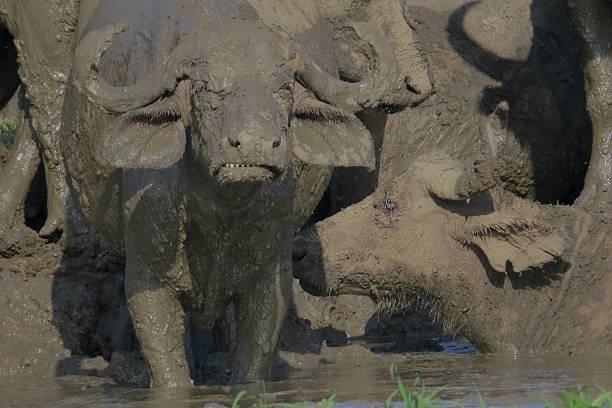
3 Days Luxury Nyerere Fly-In Safari: Price & Itinerary For 2026-2027
Experience the wild heart of Tanzania with a 3-day luxury fly-in safari to Nyerere National Park (formerly Selous). This itinerary focuses on exclusive lodges, private game drives, and...
View package details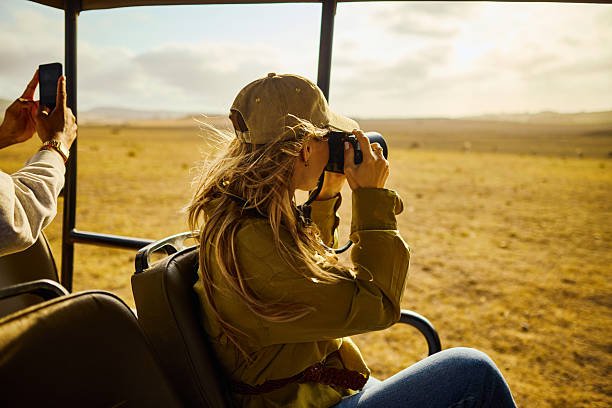
1 Day Nyerere Fly-In Safari From Zanzibar: Cost & Itinerary For 2026-2027
Experience a thrilling 1-day Nyerere Fly-In Safari from Zanzibar. This guide covers typical costs, a detailed itinerary, what to expect, and booking advice for 2026-2027.
View package details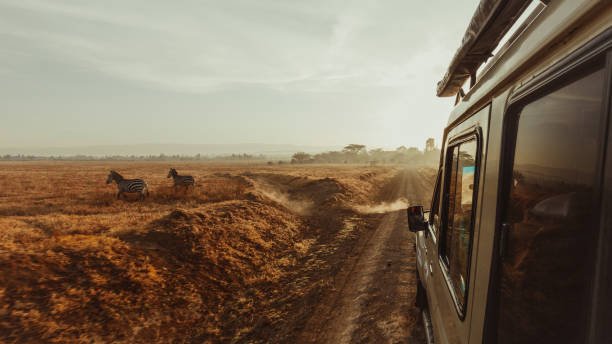
Ruaha & Nyerere Safari Cost: Southern Tanzania Fly-In Package Prices 2026-2027
Explore the cost of Southern Tanzania fly-in safaris to Ruaha and Nyerere National Parks. This guide details pricing factors, package inclusions, and planning advice for 2026-2027...
View package details
Nyerere Boat Safari & Game Drive Package: Prices & Itinerary 2026-2027
Discover the ultimate Nyerere National Park experience with our comprehensive Boat Safari & Game Drive Packages. This guide details itineraries, pricing for 2026-2027, and essential...
View package details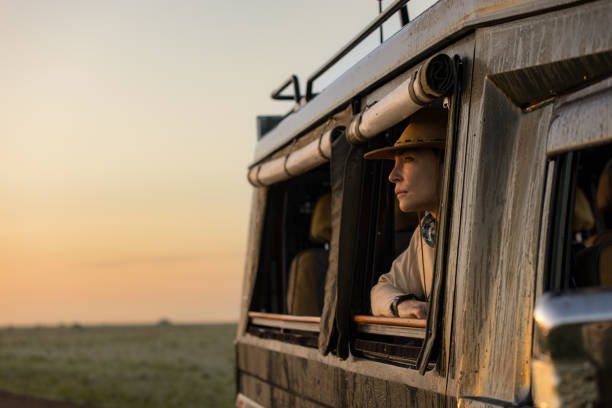
2 Days Nyerere Safari From Zanzibar: Flight Package & Price Guide 2026-2027
Experience a thrilling 2-day safari adventure in Nyerere National Park (formerly Selous Game Reserve) starting from Zanzibar. This guide covers flight packages, estimated pricing for...
View package details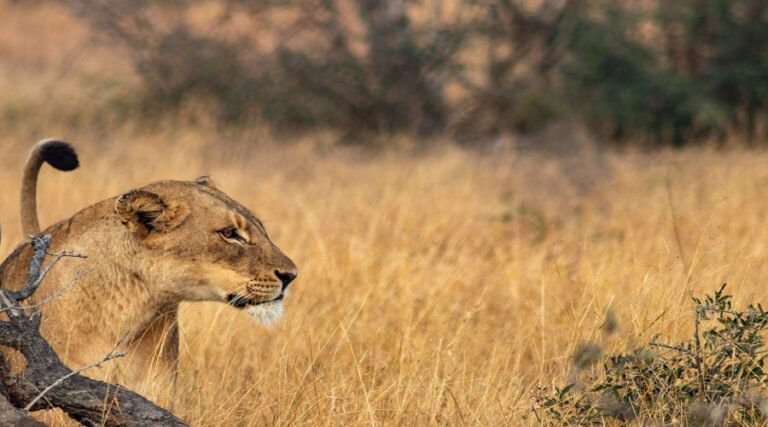
Nyerere Fly-In Safari From Zanzibar: Prices, Packages & Planning For 2026-2027
Explore Nyerere National Park (formerly Selous Game Reserve) with a convenient fly-in safari from Zanzibar. This guide covers pricing, package details, what to expect, and planning advice...
View package details
Ruaha, Nyerere & Fanjove Island Luxury Safari Package: Your Ultimate Tanzania
A comprehensive guide to luxury safari packages combining Ruaha National Park, Nyerere National Park (formerly Selous), and Fanjove Island in Tanzania, perfect for discerning travelers...
View package detailsRuaha, Nyerere & Mafia Island: Exclusive Safari & Beach Package 2026-2027
Combine the raw wilderness of Ruaha and Nyerere National Parks with the idyllic shores of Mafia Island in this exclusive Tanzania safari and beach package. Perfect for discerning travelers...
View package details
Ruaha, Nyerere & Zanzibar Safari – Luxury Bush & Beach Package 2026-2027
Ruaha, Nyerere & Zanzibar Safari – Luxury Bush & Beach Package is explained with current 2026-2027 planning, price, itinerary and booking information.
View package details8 Days Southern Tanzania Luxury Safari: Ruaha & Nyerere National Parks
An 8-day luxury safari in Southern Tanzania, focusing on Ruaha and Nyerere National Parks, offers an unparalleled wildlife experience with fewer crowds and exclusive accommodations. This...
View package details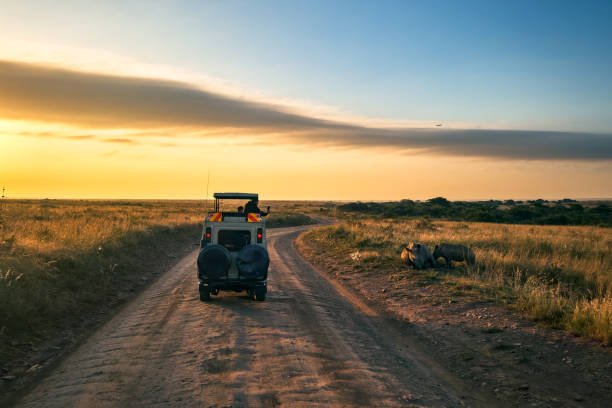
7 Days Ruaha & Nyerere Luxury Safari – Fly-In Itinerary For 2026-2027
Discover an exclusive 7-day luxury fly-in safari itinerary combining the vast wilderness of Ruaha National Park and the unique delta landscapes of Nyerere National Park (formerly Selous)...
View package details
Nyerere & Fanjove Island Luxury Bush-To-Beach Package: Ultimate Itinerary
Discover the ultimate Nyerere & Fanjove Island Luxury Bush-to-Beach Package, expertly designed for 2026-2027. This unique itinerary blends the untamed wilderness of Nyerere National Park...
View package detailsNo related package matches those filters. Clear one or more filters to see the other topic-matched options.



