
A Serengeti & Rubondo Island safari package in 2026-2027 combines the world-renowned plains of the Serengeti National Park, famous for its vast wildlife populations and the Great Migration, with the unique primate sanctuary of Rubondo Island National Park on Lake Victoria, offering exceptional opportunities to see chimpanzees in their natural habitat. These combined safaris typically range from 7 to 14 days, starting from Arusha or Kilimanjaro International Airport, and are designed to provide a diverse Tanzanian wildlife experience that includes iconic savanna animals and rare forest-dwelling primates.
The Ultimate Tanzanian Duo: Serengeti Plains Meet Rubondo Island Jungles
The allure of Tanzania for wildlife enthusiasts is immense, and few combinations capture its diverse natural wonders as powerfully as a safari that spans the legendary Serengeti and the secluded Rubondo Island. This isn’t just a safari; it’s an expedition through contrasting ecosystems, each offering distinct yet equally thrilling encounters. From the endless, golden grasslands teeming with iconic African megafauna to the verdant, mist-shrouded forests of an island sanctuary, this package is curated for travelers seeking depth, variety, and a truly authentic connection with nature. Planning for 2026 or 2027, this safari promises memories that resonate long after your return.
Imagine days spent tracking lions across the Serengeti’s vast plains, witnessing herds of wildebeest and zebras on their annual migration, and observing elephants against the backdrop of acacia-dotted horizons. Then, transition to the tranquil shores of Lake Victoria, where Rubondo Island awaits. Here, the adventure shifts to a more intimate scale, focusing on the elusive and intelligent chimpanzee, alongside a rich array of birdlife and smaller mammals within a pristine island environment. This carefully crafted itinerary ensures you experience the best of both worlds, balancing the thrill of open-space game viewing with the quiet wonder of forest exploration.
### Why Combine Serengeti and Rubondo Island?
This dual-destination safari is more than just a travel itinerary; it’s a strategic choice for discerning travelers. The Serengeti offers the quintessential African safari experience, a place where wildlife density is unparalleled. Rubondo Island, on the other hand, provides a unique, off-the-beaten-path adventure, focusing on chimpanzee trekking and a different kind of biodiversity. Combining them offers:
* Ecological Diversity: Transition from the dry savanna of the Serengeti to the humid, forested ecosystem of Rubondo Island. This contrast highlights the varied landscapes of Tanzania.
* Iconic and Rare Wildlife: See the ‘Big Five’ in the Serengeti and then track the endangered chimpanzee in Rubondo, a rare privilege.
* Unforgettable Experiences: Witness the drama of the Great Migration in the Serengeti and the quiet, profound moments of observing chimpanzees in their natural social groups.
* Reduced Crowds (on Rubondo): While the Serengeti is a popular destination, Rubondo Island offers a more exclusive and less crowded experience, allowing for a more personal wildlife encounter.
* Adventure Variety: Enjoy classic game drives in open vehicles in the Serengeti and guided walking safaris and boat excursions around Rubondo Island.
### Planning Your 2026-2027 Serengeti & Rubondo Island Safari
When planning your safari for 2026 or 2027, understanding the nuances of each destination is key. The Serengeti’s wildlife viewing is spectacular year-round, but the timing of the Great Migration is a major draw for many. Rubondo Island, being a tropical island, offers pleasant weather, but its chimpanzee habituation process means sightings are more consistent with experienced guides.
Climb 4 Africa specializes in creating these smooth journeys, ensuring that your transition between the mainland plains and the island paradise is smooth and comfortable. We focus on providing expert guiding, comfortable accommodations, and a deep understanding of the local ecosystems to make your 2026-2027 safari truly exceptional.
The Serengeti: A Realm of Wildlife Grandeur
The Serengeti National Park, a UNESCO World Heritage Site, is arguably the most famous wildlife sanctuary on Earth. Its name, derived from the Maasai word ‘Siringet,’ meaning ‘endless plains,’ perfectly encapsulates its vast, sweeping landscapes that stretch as far as the eye can see. This is the stage for one of nature’s most awe-inspiring spectacles: the Great Migration.
### Understanding the Great Migration
The Great Migration is the annual movement of millions of wildebeest, zebras, and gazelles across the Serengeti-Mara ecosystem. Driven by the search for fresh grazing and water, these herds traverse thousands of kilometers, facing predators and the perilous Grumeti and Mara Rivers along the way. While the migration is a year-round phenomenon, its location varies:
* December-March: The herds are typically in the southern Serengeti and Ndutu plains, calving season.
* April-May: The herds begin their northward journey, often experiencing heavy rains.
* June-July: The migration moves towards the western corridor, with dramatic river crossings of the Grumeti River.
* August-October: The herds reach the northern Serengeti and cross the Mara River into Kenya’s Maasai Mara.
* November: The herds begin their return south, often following the rains.
Planning your 2026 or 2027 safari to coincide with specific migration phases can elevate your experience, though wildlife viewing in the Serengeti remains phenomenal regardless of the migration’s exact location.
### Key Wildlife Encounters in the Serengeti
Beyond the migration, the Serengeti is home to a staggering array of wildlife:
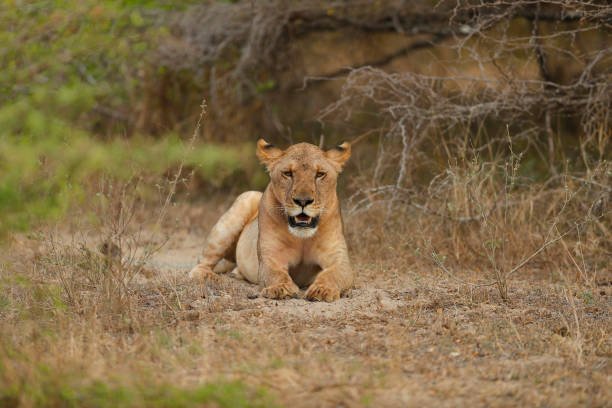
* Predators: The park boasts one of the highest concentrations of predators in Africa, including lions, cheetahs, leopards, hyenas, and wild dogs. You’ll find lion prides lounging on kopjes (rocky outcrops) and cheetahs scanning the plains for prey.
* Herbivores: Besides wildebeest and zebras, expect to see vast herds of buffalo, giraffes browsing on acacia trees, elephants (though less concentrated than in other parks), Thomson’s gazelles, Grant’s gazelles, and eland.
* Birdlife: With over 500 recorded bird species, the Serengeti is a birdwatcher’s paradise. Look out for ostriches, secretary birds, kori bustards, eagles, and various waterfowl.
### Where to Stay in the Serengeti
Accommodations in the Serengeti range from luxurious lodges and tented camps to more budget-friendly options. For a Serengeti & Rubondo Island safari, staying in different regions can enhance your wildlife viewing opportunities. Consider lodges or camps in:
* Central Serengeti (Seronera Valley): Excellent for year-round game viewing, particularly for big cats.
* Northern Serengeti: Ideal for witnessing the Mara River crossings during the migration (August-October).
* Western Serengeti: Offers good viewing of Grumeti River crossings (June-July).
* Southern Serengeti/Ndutu: Best for calving season (December-March).
We help you select accommodations that fit your travel style and budget for your 2026-2027 trip, ensuring comfort and excellent access to wildlife.
### Activities in the Serengeti
Classic game drives in 4×4 safari vehicles are the primary activity. These are typically conducted in the early morning and late afternoon, when wildlife is most active. Some camps also offer:
* Hot Air Balloon Safaris: A impressive way to view the Serengeti from above, especially at sunrise. This is a popular add-on for a special occasion.
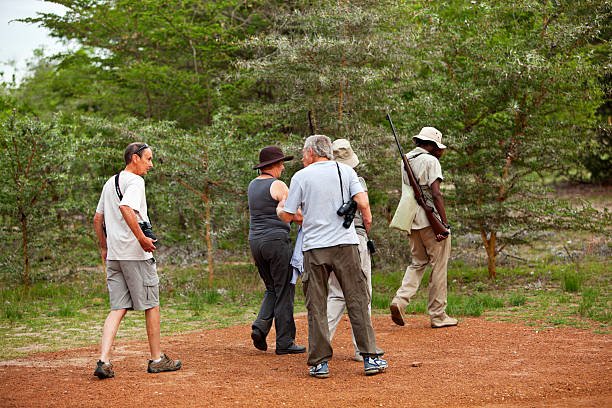
* Bush Walks: Guided walks with an armed ranger offer a different perspective, allowing you to appreciate the smaller details of the ecosystem.
## Rubondo Island: A Primate Paradise on Lake Victoria
Rubondo Island National Park, Tanzania’s smallest national park and the only one located entirely on an island, offers a stark contrast to the Serengeti. Situated in the southwestern corner of Lake Victoria, this lush, biodiverse island is a sanctuary for chimpanzees and a haven for birdlife. It’s a destination for those seeking a more intimate, less crowded, and uniquely forested wildlife experience.
### The Chimpanzee Sanctuary
Rubondo Island is most famous for its reintroduced population of chimpanzees. Originally home to a native chimpanzee population, they were wiped out by poachers in the mid-20th century. In the 1960s, orphaned chimpanzees from zoos and other sanctuaries were brought to the island in an effort to establish a new population. Today, these chimpanzees have successfully adapted and formed social groups, offering visitors a chance to observe them in a semi-wild state.
* Chimpanzee Trekking: Guided treks into the island’s forest are the primary way to see the chimpanzees. While sightings are not guaranteed like in a zoo, experienced guides use their knowledge of chimp behavior and vocalizations to locate the family groups. The habituation process means they are becoming more accustomed to human presence, increasing sighting probabilities.
* Understanding Chimp Behavior: Observing chimpanzees is a deeply rewarding experience. You’ll witness their complex social structures, intelligence, and fascinating daily routines of foraging, grooming, and playing.
### Other Wildlife and Biodiversity on Rubondo Island
While chimpanzees are the star attraction, Rubondo Island is rich in other wildlife:
* Birdlife: Rubondo is a significant birding destination, with over 300 species recorded. Look for fish eagles, kingfishers, herons, and many migratory birds. The island’s diverse habitats support a wide range of avian life.
* Mammals: Besides chimpanzees, you might spot hippos and crocodiles in the surrounding waters, bushbucks, suni antelopes, and vervet monkeys.
* Reptiles: Various lizard species and snakes inhabit the island.
* Aquatic Life: Lake Victoria itself is teeming with fish, including the Nile perch, making it a popular spot for anglers.
### Activities on Rubondo Island
Rubondo Island offers a unique set of activities:
* Guided Forest Walks: Explore the island’s trails with knowledgeable guides, learning about the flora and fauna.
* Boat Safaris: Circle the island by boat, offering opportunities to spot hippos, crocodiles, and diverse birdlife along the shores. You can also enjoy stunning sunset views over Lake Victoria.
* Fishing: For keen anglers, fishing for Nile perch in Lake Victoria can be arranged.
* Bird Watching: With its rich avian population, Rubondo is a dream for birdwatchers.
### Accommodation on Rubondo Island
Accommodation options on Rubondo are limited, contributing to its exclusive and tranquil atmosphere. The main option is the Rubondo Island Camp, offering comfortable, eco-friendly chalets with stunning lake views. Staying here ensures you are immersed in the island’s natural beauty and have prime access to its activities.
## Crafting Your Serengeti & Rubondo Island Safari Itinerary (2026-2027)
Designing the perfect Serengeti & Rubondo Island safari package requires balancing travel time, desired experiences, and the best times to visit each location. A typical itinerary could range from 7 to 14 days, allowing for sufficient exploration of both destinations.
### Sample 10-Day Serengeti & Rubondo Island Safari Itinerary
This sample itinerary provides a framework for a comprehensive 10-day adventure in 2026 or 2027. It can be customized based on your interests, pace, and budget.
* Day 1: Arrival in Arusha/Kilimanjaro & Transfer to Arusha
* Arrive at Kilimanjaro International Airport (JRO).
* Met by your Climb 4 Africa guide and transferred to your hotel in Arusha.
* Briefing about your upcoming safari.
* Overnight in Arusha.
* Day 2: Arusha to Serengeti National Park
* After breakfast, drive to Arusha Airport for a scenic flight to the Serengeti.
* Alternatively, a road transfer with game viewing en route.
* Arrive in the Serengeti and check into your lodge/tented camp.
* Afternoon game drive in the central Serengeti (Seronera Valley).
* Overnight in the Serengeti.
* Days 3-4: Exploring the Serengeti Plains
* Full days dedicated to game drives in the Serengeti. Explore different regions based on the time of year and migration patterns.
* Opportunities to spot lions, leopards, cheetahs, elephants, giraffes, and vast herds of herbivores.
* Optional hot air balloon safari at sunrise on one of the days.
* Overnight in the Serengeti.
* Day 5: Serengeti to Rubondo Island
* Morning game drive in the Serengeti.
* Transfer to a Serengeti airstrip for your flight to Mwanza.
* From Mwanza, take a boat transfer to Rubondo Island National Park.
* Check into Rubondo Island Camp.
* Relax and enjoy the island surroundings.
* Overnight on Rubondo Island.
* Days 6-8: Chimpanzee Trekking and Island Exploration
* Guided chimpanzee treks into the forest. Spend time observing the habituated chimpanzee groups.
* Boat safaris around the island to spot hippos, crocodiles, and birds.
* Guided nature walks to discover the island’s unique flora and smaller fauna.
* Optional fishing excursions in Lake Victoria.
* Overnight on Rubondo Island.
* Day 9: Rubondo Island to Arusha
* Enjoy a final morning activity on Rubondo Island (e.g., bird watching or a short walk).
* Boat transfer back to Mwanza.
* Fly from Mwanza back to Arusha.
* Overnight in Arusha.
* Day 10: Departure
* After breakfast, transfer to Kilimanjaro International Airport (JRO) for your departure flight.
### Customizing Your 2026-2027 Safari
* Duration: Extend your stay in either the Serengeti or Rubondo Island, or add other destinations like the Ngorongoro Crater or Lake Manyara. A 14-day itinerary would allow for deeper exploration.
* Accommodation: Choose from luxury lodges, comfortable tented camps, or more rustic options depending on your preference and budget for 2026-2027.
* Pace: Opt for a faster-paced trip covering more ground or a more relaxed pace with more downtime.
* Interests: If birdwatching is a priority, we can tailor activities and timing for Rubondo Island. If photography is key, we ensure you have optimal game drive times and locations.
## Logistics and Practicalities for Your Safari
Successfully executing a Serengeti & Rubondo Island safari involves careful planning of transportation, accommodation, and necessary permits.
### Transportation: Flights and Road Travel
* International Flights: Arrive and depart from Kilimanjaro International Airport (JRO).
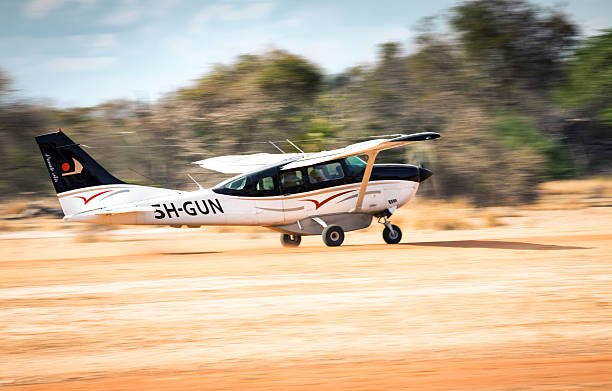
* Internal Flights: Flying between destinations like the Serengeti and Mwanza (for Rubondo) significantly saves travel time and offers incredible aerial views. These flights are typically on small bush planes.
* Road Travel: Game drives in the Serengeti are conducted in specially adapted 4×4 safari vehicles with pop-up roofs for optimal viewing. Transfers between Arusha and the airport, and between Mwanza and the Rubondo boat launch, are also by road.
* Boat Transfers: A boat transfer is essential to reach Rubondo Island from Mwanza.
### Accommodation Options
* Serengeti: Options range from ultra-luxury tented camps that follow the migration, to permanent lodges with swimming pools, and mid-range tented camps offering comfort and authenticity.
* Rubondo Island: The Rubondo Island Camp is the primary accommodation, offering an intimate, eco-friendly experience.
* Arusha: Comfortable hotels and lodges are available for overnight stays before and after your safari.
### Park Fees and Permits
* Serengeti National Park Fees: Daily park entry fees apply and are paid per person, per day. These fees contribute to park conservation efforts.
* Rubondo Island National Park Fees: Similar daily park fees are required for Rubondo Island.
* Conservation Fees: Additional conservation fees might apply depending on the specific area and type of accommodation.
Climb 4 Africa handles all park fee and permit arrangements as part of your package, ensuring a hassle-free experience for your 2026-2027 travels.
### Best Time to Travel for Serengeti & Rubondo Island
While both destinations offer unique experiences year-round, certain times are better for specific interests:
* Serengeti:
* June-October: Excellent for witnessing river crossings of the Great Migration (Grumeti and Mara Rivers) and generally drier weather.
* December-March: Ideal for calving season in the southern Serengeti, with high predator activity.
* April-May: Green season, fewer crowds, but can be wet.
* Rubondo Island:
* Rubondo Island has a tropical climate, making it generally pleasant year-round. The dry season (June-October) might offer slightly easier trekking conditions, but the island is lush and beautiful throughout the year.
* Chimpanzee sightings are generally good year-round, with guides adept at finding them.
Combining these, the periods from June to October and December to March are often considered prime times for a combined Serengeti & Rubondo Island safari in 2026-2027, offering a good balance of migration viewing and pleasant weather.
## Why Choose Climb 4 Africa for Your Safari?
As specialists in Tanzanian adventures, Climb 4 Africa offers unparalleled expertise in crafting bespoke safari experiences. Our deep local knowledge ensures that your Serengeti & Rubondo Island safari package is not just a trip, but a journey filled with authentic encounters and smooth logistics.
### Our Commitment to Your Safari Experience
* Expert Local Guides: Our guides are highly trained, passionate about wildlife, and possess an intimate understanding of the Serengeti and Rubondo Island ecosystems. They are key to maximizing your wildlife sightings and ensuring your safety.
* Tailor-Made Itineraries: We don’t offer one-size-fits-all packages. We work closely with you to design a Serengeti & Rubondo Island safari that perfectly matches your interests, budget, and travel dates for 2026-2027.
* Quality Accommodations: We partner with a range of hand-picked lodges and camps that offer comfort, excellent service, and prime locations for wildlife viewing.
* smooth Logistics: From internal flights and boat transfers to park permits and vehicle arrangements, we manage every detail so you can focus on enjoying your adventure.
* Responsible Tourism: We are committed to sustainable tourism practices that benefit local communities and help conserve Tanzania’s incredible natural heritage.
### What’s Typically Included in a Serengeti & Rubondo Island Safari Package?
While packages are customized, a comprehensive Serengeti & Rubondo Island safari typically includes:
* Airport transfers
* Accommodation as per itinerary
* All meals (full board) during the safari
* All park entrance fees and conservation fees
* All internal flights (e.g., Serengeti to Mwanza, Mwanza to Arusha)
* Boat transfers to/from Rubondo Island
* Private 4×4 safari vehicle with a professional driver-guide in the Serengeti
* Guided walks and boat trips on Rubondo Island
* Bottled water during game drives
### What’s Typically Excluded?
* International flights
* Visa fees
* Travel insurance
* Optional activities (e.g., hot air balloon safaris, fishing)
* Gratuities for guides and camp staff
* Personal expenses (e.g., drinks, laundry)
### Booking Your 2026-2027 Safari
Planning ahead is crucial for popular destinations like the Serengeti and unique experiences like Rubondo Island, especially for 2026 and 2027. Early booking secures your preferred accommodations and flight schedules. Contact Climb 4 Africa today to start planning your dream Serengeti & Rubondo Island safari. We are ready to help you create an unforgettable adventure.
Reach out to us via WhatsApp at +255 747 477 898 or email us at climb4africa@gmail.com. Let’s design your perfect Tanzanian wildlife and chimpanzee package for 2026-2027.
## Frequently Asked Questions about Serengeti & Rubondo Island Safaris
Is a Serengeti & Rubondo Island safari suitable for families?
Yes, a Serengeti & Rubondo Island safari can be very suitable for families. The Serengeti offers incredible wildlife viewing opportunities that fascinate all ages. Rubondo Island provides a more relaxed pace and unique experiences like guided walks and boat trips, which can be engaging for children. However, chimpanzee trekking on Rubondo requires children to be of a certain age (usually 12+) due to the nature of the trek and the need for quiet observation. We can tailor family itineraries to ensure activities are age-appropriate and enjoyable for everyone.
What is the best time of year for a Serengeti & Rubondo Island safari in 2026 or 2027?
The best time depends on your priorities. For the Great Migration in the Serengeti, June-October is ideal for river crossings, and December-March for calving season. Rubondo Island is pleasant year-round, but the drier months of June-October might offer slightly easier trekking. Therefore, combining these, the periods from June to October and December to March are generally excellent choices for a Serengeti & Rubondo Island safari in 2026-2027.
How challenging is chimpanzee trekking on Rubondo Island?
Chimpanzee trekking on Rubondo Island is moderately challenging. It involves walking through dense forest, sometimes on uneven terrain and potentially muddy paths, especially after rain. The duration of the trek can vary from 1 to 4 hours depending on where the chimpanzee groups are located. While it doesn’t require extreme fitness, a reasonable level of mobility and stamina is recommended. Age restrictions (typically 12+) are in place for safety and to ensure the chimpanzees are not disturbed.
What is the typical cost of a Serengeti & Rubondo Island safari package?
The cost of a Serengeti & Rubondo Island safari package for 2026-2027 can vary significantly based on the duration, accommodation level (budget, mid-range, luxury), and inclusions. A 10-day safari typically ranges from $4,500 to $9,000+ per person, excluding international flights. This includes park fees, internal flights, boat transfers, accommodation, meals, and guiding services. Luxury options with high-end lodges and private charter flights will be at the higher end of this spectrum.
What should I pack for this combined safari?
Pack light, neutral-colored clothing suitable for warm days and cooler evenings. Essentials include lightweight trousers and shirts, a warm fleece or jacket, comfortable walking shoes, a hat, sunglasses, high-SPF sunscreen, insect repellent, a reusable water bottle, binoculars, and a camera with extra batteries and memory cards. A small backpack for day trips and personal medications are also important. For Rubondo Island, quick-drying clothing can be beneficial due to the tropical climate.
Are there malaria risks in the Serengeti and Rubondo Island?
Yes, both the Serengeti and Rubondo Island are in malaria-risk areas. It is highly recommended to consult your doctor or a travel clinic about malaria prophylaxis well in advance of your 2026-2027 safari. Taking preventative medication, using insect repellent containing DEET, and wearing long sleeves and trousers during dawn and dusk can significantly reduce the risk of mosquito bites.
Can I combine this safari with climbing Mount Kilimanjaro?
Absolutely. Many travelers combine a Serengeti & Rubondo Island safari with a Mount Kilimanjaro climb. Climb 4 Africa specializes in both. You could undertake your Kilimanjaro climb first, then relax on a safari, or vice versa. We can design a comprehensive itinerary that includes both experiences, ensuring a smooth transition between the mountain and the wildlife parks.
Check Availability for Serengeti & Rubondo Island Safari: Wildlife & Chimpanzee Package 2026-2027
Ready to compare dates, prices, and the best option for your group? Send the package name and travel month so the team can reply with a clear quote, availability, and what is included.
Rubondo Island Fly-In Safari From Serengeti: Cost, Itinerary & Guide 2026-2027
Discover the magic of a Rubondo Island fly-in safari from the Serengeti. This guide covers essential details on costs, sample itineraries for 2026-2027, what to expect, and how to book this...
View package details
Safari & Pemba Island Package: Tanzania Wildlife Meets Remote Beach Bliss
Discover the ultimate Tanzania adventure with a Safari & Pemba Island Package, blending thrilling wildlife encounters in the Serengeti and Ngorongoro with tranquil relaxation on Pemba's...
View package details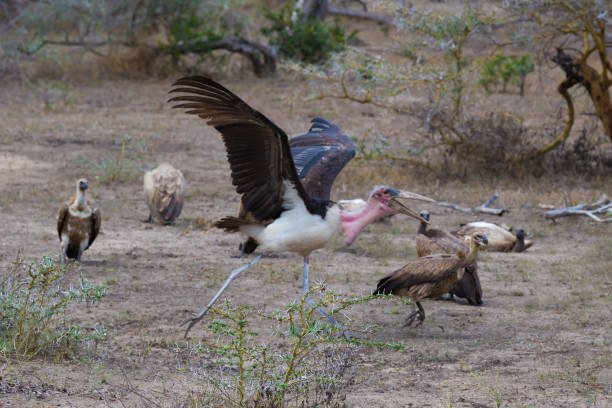
Serengeti & Fanjove Island Luxury Tanzania Holiday 2026-2027
Discover the unparalleled beauty of a combined Serengeti and Fanjove Island luxury holiday in Tanzania for 2026-2027. Experience the thrill of world-class wildlife viewing in the Serengeti...
View package detailsYour Essential Tanzania Holiday Guide: Safaris, Kilimanjaro & Zanzibar
Discover Tanzania's magic with this comprehensive guide. From thrilling safaris in the Serengeti and Ngorongoro to conquering Mount Kilimanjaro and relaxing on Zanzibar's beaches, we cover...
View package details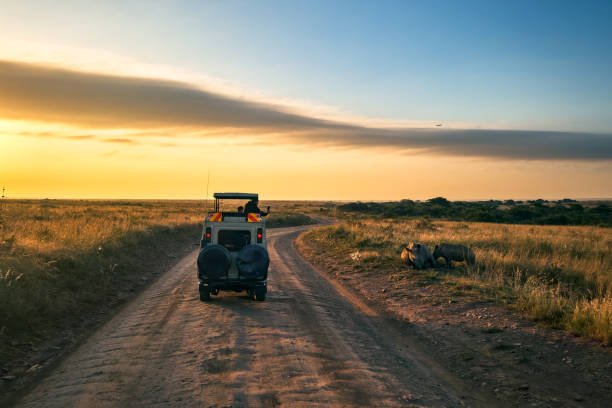
Katavi, Mahale & Serengeti Fly-In Safari – Complete Tanzania Itinerary Guide
Discover the ultimate Tanzania adventure with our detailed Katavi, Mahale, and Serengeti fly-in safari itinerary for 2026-2027. This journey combines the raw wilderness of Katavi, the...
View package details4 Days Rubondo Island Chimpanzee Safari – Price & Itinerary 2026-2027
4 Days Rubondo Island Chimpanzee Safari – Price & Itinerary is explained with current 2026-2027 planning, price, itinerary and booking information.
View package details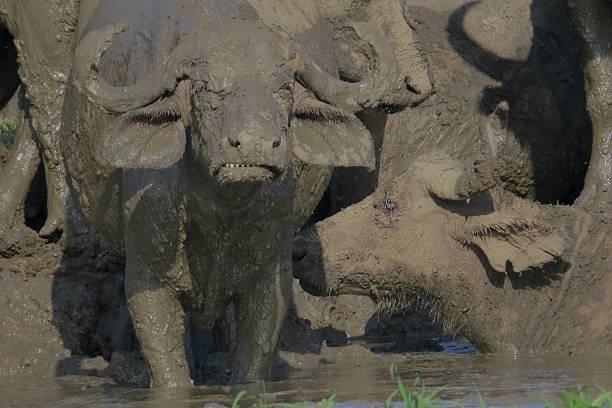
Rubondo Island Safari Cost /: Chimpanzees, Flights & Lodges 2026-2027
Understand the estimated costs for a Rubondo Island safari in 2026/2027, covering chimpanzee encounters, internal flights, accommodation options, and what's typically included.
View package details5 Days Tanzania Sharing Safari: Your Ultimate Budget-Friendly Adventure
Explore the wonders of Tanzania on an unforgettable 5 Days Tanzania Sharing Safari. This budget-friendly adventure offers a fantastic opportunity to witness the country's incredible...
View package detailsLuxury Rubondo Island Safari – Lake Victoria Wilderness Package 2026-2027
Discover the unparalleled luxury of a Rubondo Island safari, a unique wilderness escape on Lake Victoria. Our 2026-2027 packages offer exclusive access to rare wildlife, pristine...
View package details
Ruaha & Fanjove Island: Your Ultimate Luxury Safari And Private Beach Holiday
Experience the ultimate blend of thrilling wildlife encounters in Ruaha National Park and serene relaxation on Fanjove Island. This guide details luxury safari and private beach holiday...
View package detailsMafia Island Honeymoon Package: Private Beach & Marine Safari 2026-2027
Experience an unparalleled honeymoon on Mafia Island with a bespoke package focusing on private beach seclusion and thrilling marine safaris. This guide details what to expect for your...
View package details
2 Days Mafia Island Whale Shark Safari From Zanzibar 2026-2027
Discover the magic of Mafia Island with a 2-day whale shark safari departing from Zanzibar. This adventure offers incredible opportunities to swim with whale sharks in their natural...
View package detailsNo related package matches those filters. Clear one or more filters to see the other topic-matched options.



