
The Rubondo Island Chimpanzee Habituation Experience offers a profound connection with wild chimpanzees, allowing participants to spend extended time with a habituated group under expert guidance. While exact costs for 2026-2027 are subject to specific tour operator packages and lodge choices, expect a premium experience typically ranging from $500 to $1,000+ per person per day, covering park fees, permits, guiding, and accommodation. This unique opportunity involves following a chimpanzee family as they go about their daily lives, providing unparalleled insights into their social structures and behaviors, and requires careful planning due to limited availability and the sensitive nature of habituation work.

Understanding the Rubondo Island Chimpanzee Habituation Experience
The Rubondo Island Chimpanzee Habituation Experience is not merely a sighting; it’s an immersion into the world of wild chimpanzees in their natural habitat. Located within Rubondo Island National Park on Lake Victoria, Tanzania, this program is one of the few places globally where you can actively participate in the process of habituating chimpanzees to human presence. This means you’ll spend significant time – often a full day – with a specific chimpanzee family, observing their intricate social dynamics, foraging habits, and daily routines under the watchful eyes of experienced researchers and guides.
This experience is distinct from standard chimpanzee trekking, which usually involves shorter observation periods. Habituation is a long-term conservation effort aimed at allowing chimpanzees to tolerate human presence without fear, which is crucial for research and future ecotourism. By joining, you contribute directly to these conservation efforts while gaining an unforgettable wildlife encounter. The exclusivity and depth of this experience make it a sought-after adventure for dedicated wildlife enthusiasts planning trips to Tanzania in 2026 or 2027.
What Chimpanzee Habituation Entails
Chimpanzee habituation is a meticulous and lengthy process. It involves daily, patient, and non-intrusive observation of a wild chimpanzee group. Researchers and guides spend hours each day with the chimps, gradually increasing their proximity and duration of contact. The goal is to help the chimpanzees become accustomed to human observers, allowing for more in-depth study and, eventually, controlled tourism. Participants in the habituation experience are essentially guests accompanying these habituation teams, following strict protocols to minimize disturbance. This includes maintaining a respectful distance, avoiding direct eye contact, and never feeding the chimpanzees. The experience is designed to be educational and deeply respectful of the animals’ welfare and natural behaviors.
Rubondo Island National Park: A Unique Ecosystem
Rubondo Island National Park is Tanzania’s smallest national park, yet it boasts incredible biodiversity and a unique setting. Situated on a large island in the southwestern corner of Lake Victoria, it’s a haven for wildlife, including a significant chimpanzee population reintroduced from various parts of Tanzania and neighboring countries. The island is characterized by lush forests, papyrus swamps, and sandy beaches, creating a diverse habitat that supports not only chimpanzees but also elephants, hippos, crocodiles, and a remarkable array of birdlife.
Originally a game reserve, Rubondo was upgraded to a national park in 1977. Its remoteness and the surrounding waters of Lake Victoria have helped preserve its pristine environment. The chimpanzee habituation project here is a testament to successful conservation efforts, transforming the island into a premier destination for those seeking intimate wildlife encounters away from the typical safari crowds. Planning a visit for 2026 or 2027 means exploring a truly special corner of East Africa.
The Chimpanzee Reintroduction Story
The chimpanzee population on Rubondo Island is not indigenous. They were introduced in the 1960s from sanctuaries and research centers where they had been rescued from various difficult situations. The island’s environment proved to be an ideal sanctuary, providing ample food and a safe space for them to adapt and thrive. Over the decades, these chimpanzees have established social structures and a semi-wild existence. The habituation program began with these reintroduced chimpanzees, aiming to make them more accessible for research and responsible tourism, ensuring their long-term survival and providing a unique visitor experience.
Rubondo Island Chimpanzee Habituation Experience: Cost Breakdown for 2026-2027
Understanding the cost of the Rubondo Island Chimpanzee Habituation Experience is crucial for planning your trip. The pricing is generally higher than standard safaris due to the specialized nature of the activity, limited participant numbers, and the remote location. While exact figures for 2026-2027 will vary by operator and chosen accommodation, you can anticipate the following components contributing to the overall expense:
Estimated Daily Costs (Per Person)
- Park Entrance Fees: Typically around $15 – $20 USD per person per day for Rubondo Island National Park.
- Chimpanzee Habituation Permit: This is a significant cost, often ranging from $150 to $250 USD per person per day. This permit directly funds the conservation and habituation work.
- Guiding Fees: Professional guides are essential. Expect to pay $50 – $100 USD per person per day for expert researchers and guides accompanying the habituation.
- Accommodation: Lodges or camps on or near Rubondo Island vary greatly. Budget options might start around $150 USD per night, mid-range $250-$400 USD, and luxury options can exceed $500 USD per night. Some packages might include meals.
- Transportation: Getting to Rubondo is part of the cost. This often involves flights from major hubs like Arusha or Kilimanjaro International Airport to a local airstrip near the island, followed by boat transfers. This can add $300 – $600 USD or more per person for a round trip.
- Conservation Fees/Community Levies: Some tour operators include additional contributions to local conservation initiatives, typically $20 – $50 USD per person per day.
Total Estimated Daily Expenditure (2026-2027)
When you combine these elements, the daily cost for the Rubondo Island Chimpanzee Habituation Experience can range significantly. For a comprehensive package including permits, guiding, park fees, and mid-range accommodation, you might look at figures between $500 and $1,000+ per person per day. Luxury packages or those including exclusive transport could push this higher. It’s vital to get a detailed quote from your chosen tour operator for the specific dates you plan to travel in 2026 or 2027.
Factors Influencing Cost
Several factors will influence the final price:
- Duration of Stay: The longer you stay, the higher the total cost, although per-day rates might slightly decrease for longer bookings.
- Accommodation Standard: Choosing between a basic tented camp, a comfortable lodge, or a luxury resort will significantly impact the budget.
- Seasonality: While Rubondo is accessible year-round, the peak tourist seasons in Tanzania (generally June-October and December-February) might see slightly higher accommodation rates. However, the remoteness often buffers this effect compared to mainland parks.
- Group Size: While habituation groups are kept small for ethical reasons, some operators might offer slightly different pricing for private versus small group arrangements.
- Inclusions: Always check what is included. Some packages might cover all meals, drinks, internal flights, and boat transfers, while others might be more ‘à la carte’.
Planning Your Rubondo Island Chimpanzee Habituation Trip (2026-2027)
Planning a trip to Rubondo Island for the Chimpanzee Habituation Experience requires careful consideration due to its unique logistics and conservation focus. Early booking is highly recommended, especially if you are targeting peak travel times in 2026 or 2027.
Best Time to Visit
Rubondo Island National Park is accessible throughout the year. However, the best times for wildlife viewing and comfortable travel are generally during the dry seasons:
- June to October: This is the peak dry season, offering pleasant temperatures and clear skies. Wildlife is often more concentrated around water sources, though Rubondo’s island environment offers consistent resources.
- December to February: This is another dry period, often referred to as the ‘short dry season’ or the ‘short rains’ can occur. It’s still a good time for visits, with fewer crowds than the main dry season.
The wet seasons (November and March to May) see more rainfall, which can affect travel conditions, especially boat transfers. However, these periods also offer lush landscapes and are excellent for birdwatching, with potentially lower prices. For the chimpanzee habituation experience, the focus is on consistent access to the chimps, which is generally good year-round, but dry weather makes the journey and daily excursions more comfortable.
How to Get to Rubondo Island
Reaching Rubondo Island is an adventure in itself:
- International Flights: Arrive at Kilimanjaro International Airport (JRO) or Julius Nyerere International Airport (DAR) in Dar es Salaam.
- Domestic Flights: From JRO or DAR, take a scheduled domestic flight to Mwanza Airport (MWZ), the main gateway to Lake Victoria’s western shores.
- Charter Flights: Some operators offer charter flights directly from Arusha or other safari hubs to Rubondo’s airstrip, significantly reducing travel time and complexity but increasing cost.
- Boat Transfers: From a designated point near Mwanza (often a specific jetty), a boat transfer is arranged to Rubondo Island. This journey across Lake Victoria can take 1-2 hours depending on the boat and weather conditions.
Your tour operator will typically arrange all these transfers as part of your safari package. For 2026-2027 travel, confirm these arrangements well in advance.
Duration of the Experience
The Rubondo Island Chimpanzee Habituation Experience is typically integrated into a longer safari itinerary. While you can do a single day, most visitors opt for at least 2-3 days on Rubondo Island to fully appreciate the experience and the park’s other attractions. A typical itinerary might involve:
- Day 1: Arrival on Rubondo Island, check-in, and perhaps a short introductory nature walk or boat excursion.
- Day 2: Full day dedicated to the Chimpanzee Habituation Experience, following the chimpanzee group from morning until late afternoon.
- Day 3: Another day for habituation, or exploring other aspects of the park such as birdwatching, fishing (catch and release), or visiting the elephant sanctuary.
- Day 4: Morning activity or relaxation, followed by boat transfer back to the mainland and onward travel.
This allows ample time for the habituation process and to enjoy the island’s serene environment.
Booking Your Habituation Experience
Booking is essential and should be done through a reputable tour operator specializing in Tanzanian wildlife safaris. Given the limited permits and the need for expert guides, securing your spot for 2026 or 2027 travel is critical.
Key Booking Considerations:
- Operator Reputation: Choose an operator with proven experience in Rubondo Island and chimpanzee habituation. Look for reviews and testimonials.
- Itinerary Clarity: Ensure the itinerary clearly outlines the duration of habituation time, inclusions, exclusions, and daily schedule.
- Permit Availability: Confirm that the necessary chimpanzee habituation permits are secured for your chosen dates. These are limited.
- Accommodation Options: Discuss your preferred level of comfort and budget for accommodation on or near the island.
- Inclusions/Exclusions: A detailed breakdown of what is covered (park fees, permits, meals, activities, transfers) is vital.
- Travel Insurance: Comprehensive travel insurance covering medical emergencies and trip cancellations is non-negotiable.
What to Expect During the Chimpanzee Habituation Experience
The Rubondo Island Chimpanzee Habituation Experience is an intense and rewarding journey. It requires patience, a good level of fitness, and a deep respect for wildlife.
Daily Routine and Activities
A typical day for the habituation experience might look like this:
- Early Morning Start: Wake up before dawn to join the researchers and guides.
- Tracking the Chimpanzees: Using their knowledge of the chimpanzees’ last known location and their movements, the team will track the group. This can involve hiking through dense forest.
- Observation Period: Once the chimpanzees are located, the group will spend several hours observing them. This includes watching them forage for food, groom each other, play, and move through the forest. You’ll learn about their social hierarchy, communication methods, and individual personalities.
- Packed Lunch: A packed lunch is usually enjoyed at a respectful distance while observing the chimps.
- Following the Group: The observation continues as the chimpanzees move, often until late afternoon when they begin to build their nests for the night.
- Return to Lodge: After the chimpanzees have settled, you’ll return to your accommodation, filled with incredible memories.
Physical Requirements and Fitness
This experience is more physically demanding than a typical safari. You should be prepared for:
- Hiking: Significant walking and hiking through varied terrain, including uneven paths, dense vegetation, and potentially muddy slopes, especially during the wet season.
- Duration: Being on your feet for several hours at a time, often without extended breaks.
- Climate: The tropical climate can be hot and humid, adding to the physical exertion.
It is recommended to have a moderate level of fitness. If you have any mobility concerns, discuss them with your tour operator beforehand to see if arrangements can be made, though the nature of tracking can make it challenging.
Ethical Considerations and Rules
Adhering to strict ethical guidelines is paramount to the success of the habituation project and the welfare of the chimpanzees:
- Maintain Distance: Always follow the guide’s instructions regarding distance from the chimpanzees. Never approach them directly.
- Silence: Keep noise to a minimum. Loud noises can startle or agitate the animals.
- No Eye Contact: Avoid direct, prolonged eye contact, which can be perceived as a threat by chimpanzees.
- No Feeding: Never attempt to feed the chimpanzees or leave any food behind.
- No Touching: Do not touch the chimpanzees or their belongings.
- Health Protocols: If you have a cold or any contagious illness, you may be asked not to participate to protect the chimpanzees.
- Photography: Use cameras with silent shutters and avoid flash photography, which can disturb them.
These rules are in place to ensure the chimpanzees remain wild and healthy, and to maintain the integrity of the habituation process for future visitors and conservation efforts in 2026-2027 and beyond.
What to Pack for Your Rubondo Island Adventure
Packing appropriately will enhance your comfort and enjoyment of the Rubondo Island Chimpanzee Habituation Experience. Focus on lightweight, breathable clothing suitable for a tropical climate and jungle trekking.
Essential Items:
- Lightweight, Long-Sleeved Shirts and Trousers: To protect against sun, insects, and vegetation. Neutral colors (khaki, green, beige) are best.
- Comfortable Hiking Boots: Waterproof and well-worn-in boots are essential for trekking.
- Breathable Socks: Several pairs to prevent blisters.
- Waterproof Jacket or Poncho: For unexpected rain showers.
- Hat: Wide-brimmed for sun protection.
- Insect Repellent: High DEET content is recommended.
- Sunscreen: High SPF.
- Sunglasses.
- Reusable Water Bottle: To stay hydrated and minimize plastic waste.
- Small Backpack: For carrying water, snacks, camera, and rain gear during treks.
- Camera and Extra Batteries/Memory Cards: You’ll want to capture every moment.
- Binoculars: For spotting birds and other wildlife.
- Personal First-Aid Kit: Including any personal medications.
- Hand Sanitizer.
- Small Towel: Quick-drying microfiber towels are useful.
- Swimsuit: If your lodge has a pool or for relaxing by the lake.
Remember to pack light, as luggage restrictions on domestic flights and boat transfers can apply. Your tour operator will provide a more detailed packing list specific to your itinerary for 2026-2027.
Beyond Chimpanzees: Other Attractions on Rubondo Island
While the chimpanzee habituation is the primary draw, Rubondo Island National Park offers a wealth of other natural wonders and activities. Extending your stay allows you to explore these facets of this unique island ecosystem.
Birdwatching Paradise
Rubondo Island is a haven for ornithologists and casual birdwatchers alike. The diverse habitats – from forests to lakeshores – attract a wide variety of species. Look out for:
- African Fish Eagles
- Hadada Ibis
- Kingfishers (various species)
- Herons and Egrets
- Weavers
- Sunbirds
- Crested Cranes
Guided birdwatching walks and boat trips are excellent ways to spot these avian residents.
Elephant Encounters
Rubondo is also home to a small population of elephants that were introduced to the island. While they are wild, they are often seen near the lodges, offering unique opportunities for observation. Unlike their mainland counterparts, they are generally less accustomed to human presence, so maintaining a safe distance and following guide instructions is paramount.
Water Activities on Lake Victoria
The surrounding waters of Lake Victoria provide opportunities for:
- Boating Safaris: Explore the lake’s shoreline, observe hippos and crocodiles, and enjoy panoramic views.
- Fishing: Rubondo is renowned for its sport fishing, particularly for Nile Perch. Catch-and-release fishing is encouraged to preserve the lake’s ecosystem.
- Kayaking: Paddle through calmer waters for a serene experience and a different perspective of the island’s flora and fauna.
These activities offer a refreshing contrast to the forest treks and are perfect for relaxing afternoons.
Comparing Rubondo Island with Other Chimpanzee Experiences in Tanzania
Tanzania offers several world-class destinations for chimpanzee viewing. Understanding the differences will help you choose the best experience for your 2026-2027 travel plans.
Gombe Stream National Park
Famous for Dr. Jane Goodall’s groundbreaking research, Gombe Stream is a small park on the shores of Lake Tanganyika. It offers excellent chimpanzee trekking, with well-habituated chimpanzees that are accustomed to visitors. The experience is focused on tracking chimps through the steep, forested valleys. While Gombe offers incredible chimpanzee encounters, it lacks the unique island ecosystem and the specific habituation experience format found on Rubondo.
Mahale Mountains National Park
Also located on the shores of Lake Tanganyika, Mahale Mountains is renowned for its large population of wild chimpanzees and its stunning natural beauty. Trekking here can be more challenging due to the mountainous terrain. Mahale is often considered more ‘wild’ than Gombe, with less intensive habituation for tourism. The experience is about the thrill of tracking and observing chimpanzees in a truly wild setting.
Rubondo Island vs. Gombe/Mahale
- Habituation Focus: Rubondo’s key differentiator is its dedicated Chimpanzee Habituation Experience, allowing for extended, in-depth observation. Gome has habituation, but Rubondo’s is more central to its offering. Mahale is generally less focused on habituation for tourism.
- Ecosystem: Rubondo offers a unique island ecosystem on Lake Victoria, with elephants and a distinct birdlife. Gome and Mahale are lakeside mountain parks with different flora and fauna.
- Accessibility: Rubondo’s access involves flights and boat transfers, making it more remote and potentially more complex logistically than Gome, which is accessible by boat from Kigoma. Mahale also requires boat access.
- Exclusivity: Rubondo often feels more exclusive due to its island setting and limited visitor numbers for habituation.
For travelers seeking the most intimate and extended interaction with chimpanzees, combined with a unique island safari, the Rubondo Island Chimpanzee Habituation Experience stands out for 2026-2027 trips.
Conservation and Sustainability on Rubondo Island
Visiting Rubondo Island National Park, particularly for the chimpanzee habituation, means participating in a conservation-conscious tourism model. The park’s management and the habituation project rely heavily on tourism revenue to fund their efforts.
Supporting Conservation Through Tourism
Your park fees and habituation permits directly contribute to:
- Anti-poaching patrols
- Habitat restoration and monitoring
- Research on chimpanzee behavior and health
- Community engagement programs
- Infrastructure maintenance within the park
By choosing to visit Rubondo, you are making a tangible contribution to the preservation of this unique ecosystem and its inhabitants.
Responsible Tourism Practices
Tour operators and lodges on Rubondo Island are increasingly adopting sustainable practices. This includes:
- Minimizing waste and promoting recycling.
- Using renewable energy sources where possible.
- Sourcing local produce to support nearby communities.
- Educating visitors on conservation ethics.
- Adhering to strict carrying capacities for sensitive areas like the chimpanzee habituation zones.
When booking your 2026-2027 trip, inquire about your chosen operator’s and lodge’s sustainability policies.
Frequently Asked Questions about Rubondo Island Chimpanzee Habituation
Here are answers to common questions regarding the Rubondo Island Chimpanzee Habituation Experience.
What is the main difference between chimpanzee trekking and chimpanzee habituation?
Chimpanzee trekking typically involves a shorter observation period (usually one hour) with a habituated group. Chimpanzee habituation allows for a much longer, more in-depth experience, often a full day, following the chimpanzees as they go about their daily activities under the guidance of researchers.
Can I guarantee seeing chimpanzees on Rubondo Island?
While Rubondo Island has a healthy chimpanzee population and the habituation program focuses on specific groups, sightings are never 100% guaranteed in the wild. However, the habituation process significantly increases the likelihood of close encounters. Your guides are experts at tracking them.
How many people are allowed on a chimpanzee habituation experience?
Numbers are strictly limited to minimize disturbance to the chimpanzees. Typically, groups are very small, often comprising just a few participants along with the researchers and guides, ensuring a more intimate and less impactful experience.
Is the Rubondo Island Chimpanzee Habituation Experience safe?
Yes, the experience is considered safe when strict protocols are followed. Guides are highly trained, and participants are instructed on how to behave around the chimpanzees to avoid any dangerous situations. Chimpanzees are wild animals, and respect for their space and behavior is key.
What should I do if I have a cold or flu before the habituation experience?
Due to the risk of transmitting human diseases to chimpanzees, which can be fatal for them, visitors with respiratory illnesses (like colds or flu) may be prohibited from participating in the habituation experience. It’s crucial to be honest about your health and follow the guidance of the park authorities and your tour operator.
When is the best time to book for 2026 or 2027?
Given the limited availability of permits and accommodation, it is highly recommended to book your Rubondo Island Chimpanzee Habituation Experience at least 6-12 months in advance, especially if you are planning to travel during the peak seasons of 2026 or 2027.
Ready to Plan Your Rubondo Island Chimpanzee Habituation Adventure?
The Rubondo Island Chimpanzee Habituation Experience offers an unparalleled opportunity to connect with nature and witness the intelligence and social complexity of chimpanzees up close. It’s an investment in a truly unique and meaningful wildlife encounter. Planning is key for this specialized trip, ensuring you have the best possible experience while contributing to vital conservation efforts.
For expert advice, tailor-made itineraries, and to secure your permits and accommodation for the Rubondo Island Chimpanzee Habituation Experience in 2026 or 2027, please contact Climb 4 Africa. We specialize in creating unforgettable Tanzanian adventures and can guide you through every step of the planning process.
Reach out to us via WhatsApp at +255 747 477 898 or email us at climb4africa@gmail.com. Let us help you craft your dream Rubondo Island journey.
Check Availability for Rubondo Island Chimpanzee Habituation Experience: Cost & Expert Guide
Ready to compare dates, prices, and the best option for your group? Send the package name and travel month so the team can reply with a clear quote, availability, and what is included.
Rubondo Island Safari Cost /: Chimpanzees, Flights & Lodges 2026-2027
Understand the estimated costs for a Rubondo Island safari in 2026/2027, covering chimpanzee encounters, internal flights, accommodation options, and what's typically included.
View package details
Pemba Island Luxury Underwater Room Package: Cost & Experience 2026-2027
Explore the unique luxury underwater room experience on Pemba Island, including estimated costs and what to expect for your 2026-2027 travels. Get insights into this exclusive getaway.
View package details
Serengeti & Rubondo Island Safari: Wildlife & Chimpanzee Package 2026-2027
Combine the iconic wildlife of the Serengeti with the unique chimpanzee encounters of Rubondo Island National Park. This package offers an unparalleled Tanzanian safari experience, blending...
View package details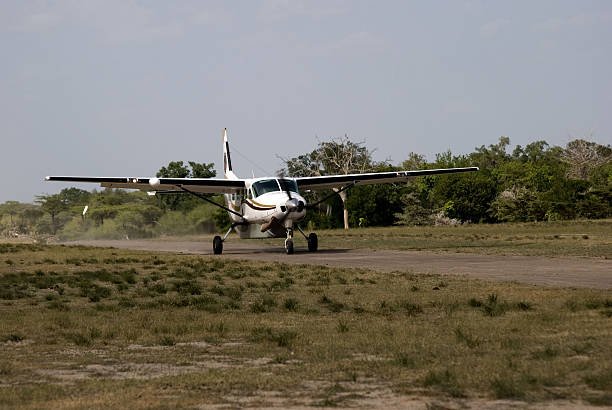
Rubondo Island Fly-In Safari From Serengeti: Cost, Itinerary & Guide 2026-2027
Discover the magic of a Rubondo Island fly-in safari from the Serengeti. This guide covers essential details on costs, sample itineraries for 2026-2027, what to expect, and how to book this...
View package details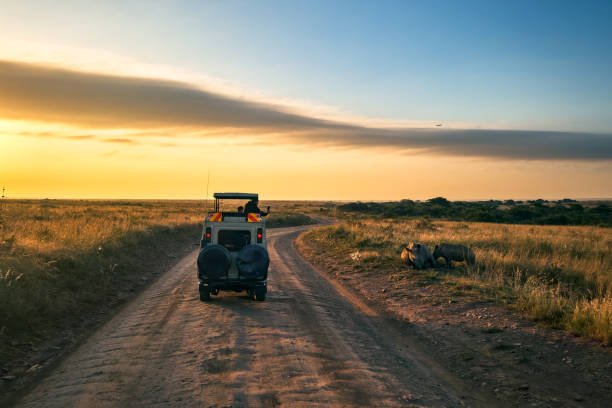
4 Days Rubondo Island Chimpanzee Safari – Price & Itinerary 2026-2027
4 Days Rubondo Island Chimpanzee Safari – Price & Itinerary is explained with current 2026-2027 planning, price, itinerary and booking information.
View package details
Fanjove Island Holiday Cost / – Luxury Private Packages 2026-2027
Discover the anticipated costs for luxury private island packages on Fanjove Island for the 2026/2027 travel seasons. This guide breaks down pricing factors, what's typically included, and...
View package details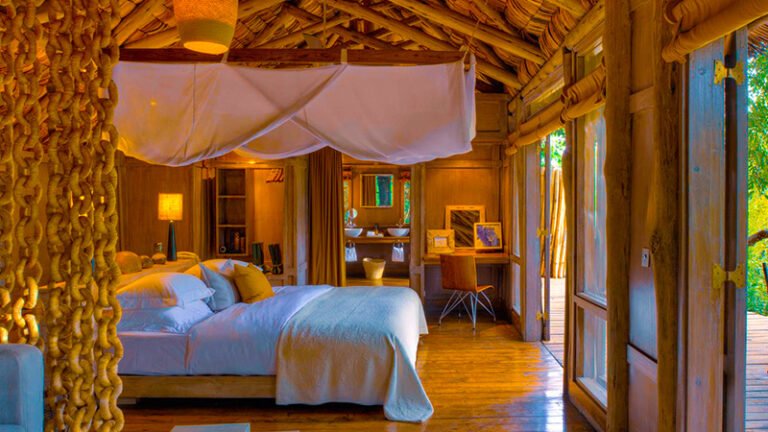
7 Days Pemba Island Diving Holiday: Cost & Itinerary For 2026-2027
Discover the ultimate 7-day Pemba Island diving holiday itinerary and cost breakdown. Explore vibrant coral reefs, diverse marine life, and PADI-certified dive centers. Plan your...
View package detailsLuxury Mafia Island Holiday: Whale Sharks, Diving & Private Beach Experiences
Discover the ultimate luxury escape on Mafia Island, Tanzania. This guide details exclusive experiences for 2026-2027, focusing on unforgettable whale shark interactions, vibrant diving...
View package details
Mafia Island Whale Shark Tour Cost / – Best Packages 2026-2027
Planning a whale shark encounter in Mafia Island for 2026 or 2027? This guide details typical tour costs, what influences pricing, and the best package options for an unforgettable...
View package details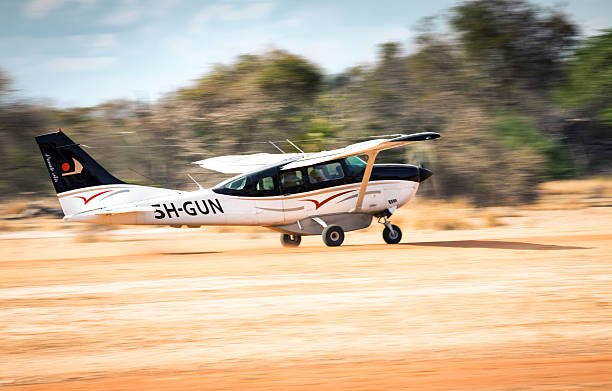
Luxury Rubondo Island Safari – Lake Victoria Wilderness Package 2026-2027
Discover the unparalleled luxury of a Rubondo Island safari, a unique wilderness escape on Lake Victoria. Our 2026-2027 packages offer exclusive access to rare wildlife, pristine...
View package details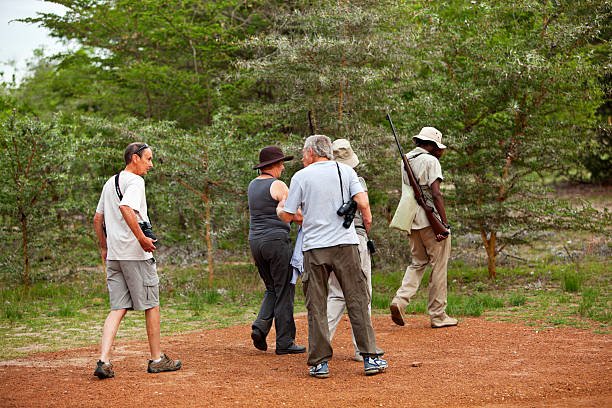
Fanjove Island Vs Zanzibar: Which Luxury Beach Escape Is Better For ?
Choosing between Fanjove Island and Zanzibar for a luxury beach getaway? This in-depth comparison explores seclusion, activities, accommodation, and overall experience to help you decide...
View package details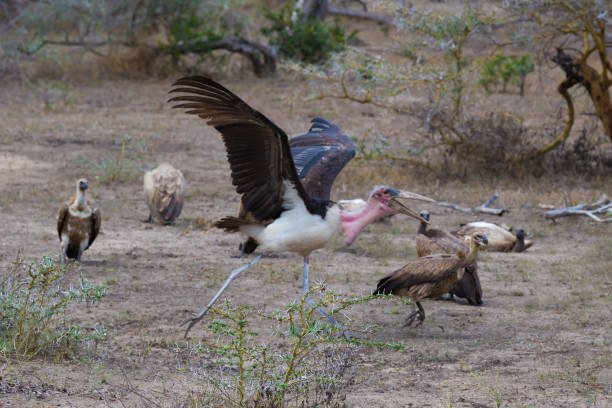
Serengeti & Fanjove Island Luxury Tanzania Holiday 2026-2027
Discover the unparalleled beauty of a combined Serengeti and Fanjove Island luxury holiday in Tanzania for 2026-2027. Experience the thrill of world-class wildlife viewing in the Serengeti...
View package detailsNo related package matches those filters. Clear one or more filters to see the other topic-matched options.



