
A Tanzania safari offers unparalleled wildlife viewing opportunities across diverse ecosystems, with the best times for viewing the Great Migration typically between July and October in the Serengeti and the calving season in the Ngorongoro Conservation Area and Southern Serengeti from January to March. For 2026-2027, planning your Tanzania safari involves choosing from iconic parks like the Serengeti, Ngorongoro Crater, Tarangire, and Lake Manyara, selecting an itinerary that matches your interests, budget, and desired duration, and booking with a reputable operator to ensure a safe and enriching experience. Expect to see the “Big Five” (lion, leopard, elephant, rhino, buffalo) and a vast array of other animals, with options for walking safaris, cultural visits, and hot air balloon rides to enhance your adventure.
Understanding the Tanzania Safari Experience
A Tanzania safari is more than just a trip; it’s an immersion into a world where nature reigns supreme. For many, it represents the pinnacle of African wildlife adventures, a chance to witness the raw beauty of the continent and its incredible biodiversity. Tanzania boasts some of the most famous national parks and conservation areas in the world, each offering a unique landscape and a distinct wildlife spectacle. From the endless plains of the Serengeti to the unique caldera of the Ngorongoro Crater, the country provides a stage for some of the most dramatic natural events on Earth, most notably the Great Migration. Planning a Tanzania safari for 2026 or 2027 means tapping into a well-established tourism infrastructure designed to showcase these wonders to visitors from around the globe.
The appeal of a Tanzania safari lies in its authenticity and the sheer abundance of wildlife. You are not just observing animals in a zoo-like setting; you are witnessing them in their natural habitat, with all the unpredictable drama and beauty that entails. This often includes the famous “Big Five” – the lion, leopard, elephant, rhinoceros, and buffalo – a list compiled by big-game hunters for being the most challenging animals to hunt on foot. However, a Tanzania safari offers so much more, with opportunities to see cheetahs, giraffes, zebras, wildebeest, hippos, crocodiles, and an astonishing variety of birdlife. The vastness of the landscapes, from savannahs dotted with acacia trees to dense forests and shimmering lakes, adds another layer to the experience, making each day a new discovery.
Why Choose Tanzania for Your Safari Adventure?
Tanzania stands out as a premier safari destination for several compelling reasons:
- Exceptional Wildlife Density: Home to some of Africa’s highest concentrations of wildlife, offering reliable sightings.
- The Great Migration: The annual movement of over 1.5 million wildebeest and zebras across the Serengeti ecosystem is a must-see natural phenomenon.
- Iconic National Parks: Features world-renowned parks like the Serengeti, Ngorongoro Conservation Area, Tarangire, and Lake Manyara, each with unique offerings.
- Diverse Landscapes: From vast open plains to volcanic craters, diverse terrains provide varied safari experiences.
- Cultural Encounters: Opportunities to interact with local communities, such as the Maasai people, adding a cultural dimension to your trip.
- Established Tourism Infrastructure: A mature tourism industry with a range of accommodation and safari operators catering to different budgets and styles.
- Conservation Efforts: Tanzania has a strong commitment to conservation, ensuring the protection of its wildlife and natural heritage for future generations, including ongoing efforts for 2026-2027.
Planning Your Tanzania Safari for 2026-2027: Key Considerations
A successful Tanzania safari hinges on meticulous planning. Understanding the best time to visit, choosing the right parks, deciding on your accommodation style, and selecting a reliable tour operator are crucial steps. For those looking to book their adventure in the 2026-2027 timeframe, starting early is highly recommended, especially for peak seasons and popular lodges.
When to Go: The Best Time for Your Tanzania Safari
The timing of your Tanzania safari can significantly impact your experience, particularly if witnessing the Great Migration is a priority. Tanzania’s climate is generally divided into two main seasons: the dry season and the wet season.
- Dry Season (June to October): This is considered the prime safari season. Wildlife congregates around permanent water sources, making them easier to spot against the dry landscape. Skies are clear, and temperatures are pleasant. This period is ideal for viewing the Great Migration in the northern Serengeti. Expect higher prices and more crowds during this peak time for 2026-2027 bookings.
- Wet Season (November to May): This period brings lush green landscapes and fewer tourists. The short rains typically occur in November and December, followed by the long rains from March to May. While game viewing can be more challenging due to thicker vegetation and dispersed animals, it’s a fantastic time for birdwatching and photography, with dramatic skies. The calving season in the Southern Serengeti and Ngorongoro area occurs from January to March, offering incredible predator-prey action. This is a more budget-friendly time for a 2026-2027 safari.
Key Safari Seasons for 2026-2027:
- Great Migration Viewing (Northern Serengeti): July – October
- Calving Season (Southern Serengeti/Ngorongoro): January – March
- General Game Viewing (Dry Season): June – October
- Birdwatching & Lush Landscapes: November – May
Choosing Your Safari Parks and Reserves
Tanzania offers a wealth of national parks and conservation areas, each with its unique charm. The most popular circuit, often referred to as the Northern Circuit, includes:
- Serengeti National Park: The undisputed jewel, famous for its vast plains, predator-prey interactions, and the Great Migration. It’s an essential component of any comprehensive Tanzania safari.
- Ngorongoro Conservation Area (including the Crater): A UNESCO World Heritage Site, the Ngorongoro Crater is a natural amphitheater teeming with wildlife, offering a high chance of seeing the Big Five in a single day.
- Tarangire National Park: Known for its large elephant herds, baobab trees, and diverse birdlife. It’s particularly stunning during the dry season when animals gather along the Tarangire River.
- Lake Manyara National Park: Famous for its tree-climbing lions, large troops of baboons, and diverse bird species. The park offers beautiful views of Lake Manyara.
- Arusha National Park: Easily accessible from Arusha town, it’s home to Mount Meru, the Momella Lakes, and Ngurdoto Crater, offering opportunities for walking safaris and canoeing.
Beyond the Northern Circuit, other notable areas include:
- Selous Game Reserve (Nyerere National Park): One of Africa’s largest game reserves, offering boat safaris on the Rufiji River, walking safaris, and a more remote wilderness experience.
- Ruaha National Park: Tanzania’s largest national park, offering a wild and less-visited safari destination with large lion and elephant populations.
- Mikumi National Park: Easily accessible from Dar es Salaam, it’s often called “Little Serengeti” due to its resemblance and abundant wildlife.
Accommodation Styles: From Camping to Luxury Lodges
Your choice of accommodation significantly influences the style and cost of your Tanzania safari. Options range from basic camping to ultra-luxury lodges:
- Budget Camping: Offers an authentic, close-to-nature experience. You’ll stay in public or special campsites, often with shared facilities, and meals are prepared by a camp cook. This is the most economical option for a 2026-2027 safari.
- Mid-Range Tented Camps: These offer more comfort than basic camping, with permanent tents, en-suite bathrooms, and often a more communal dining experience. They strike a good balance between comfort and authenticity.
- Luxury Lodges and Tented Camps: These provide high-end amenities, gourmet dining, private plunge pools, and exceptional service. They offer a comfortable and often exclusive safari experience.
- Mobile Tented Camps: Some operators use seasonal mobile camps that follow the Great Migration, offering prime viewing locations.
Choosing a Reputable Tour Operator
Selecting the right tour operator is paramount for a safe, enjoyable, and well-organized Tanzania safari. Look for companies with:
- Local Expertise: Operators based in Tanzania or with deep local knowledge understand the nuances of the parks, wildlife, and logistics.
- Positive Reviews: Check platforms like TripAdvisor and other independent review sites.
- Customization Options: The ability to tailor itineraries to your specific interests and budget is a significant advantage.
- Safety Standards: Clear protocols for vehicle maintenance, driver training, and emergency procedures.
- Sustainability Practices: Companies committed to responsible tourism that benefits local communities and conservation efforts.
Climb 4 Africa, for instance, is a local expert offering tailor-made Tanzania safaris and Kilimanjaro climbs, ensuring practical local support throughout your 2026-2027 journey.
Popular Tanzania Safari Itinerary Options
Tanzania safaris can be tailored to fit various durations and interests. Here are some popular itinerary structures that can be adapted for 2026-2027 travel:
Classic Northern Circuit Safari (5-7 Days)
This is the most popular and time-efficient itinerary, covering the highlights of the Northern Circuit.
- Day 1: Arrive in Arusha, transfer to your lodge.
- Day 2: Drive to Tarangire National Park for game drives.
- Day 3: Visit Lake Manyara National Park, known for tree-climbing lions.
- Day 4: Descend into the Ngorongoro Crater for a full-day game drive.
- Day 5: Drive to Serengeti National Park, starting game drives en route.
- Day 6: Full day game drives in the Serengeti.
- Day 7: Morning game drive in Serengeti, fly back to Arusha or Kilimanjaro Airport (JRO) for departure.
Best for: First-time visitors, those with limited time.
Extended Northern Circuit Safari (8-10 Days)
This itinerary allows for more in-depth exploration of each park, especially the Serengeti.
- Day 1-2: Arusha and Tarangire National Park.
- Day 3: Lake Manyara National Park and transfer to Karatu (near Ngorongoro).
- Day 4-5: Ngorongoro Crater and surrounding areas.
- Day 6-8: Serengeti National Park, focusing on different regions depending on the time of year and migration.
- Day 9: Fly from Serengeti to Arusha or Zanzibar.
- Day 10: Departure or onward travel.
Best for: Those wanting a deeper wildlife experience and more time in the Serengeti.
Migration Focused Safari (7-10 Days)
This itinerary is specifically designed to track the Great Migration, with stays in different parts of the Serengeti based on its movement.
- Days 1-2: Arusha, Tarangire, or Lake Manyara.
- Day 3: Ngorongoro Crater.
- Days 4-9: Serengeti, with accommodations strategically placed to follow the migration (e.g., Western Corridor for the river crossings in June-July, Northern Serengeti for the herds in August-October).
- Day 10: Fly out from Serengeti.
Best for: Wildlife enthusiasts prioritizing the Great Migration spectacle.
Southern Circuit Safari (5-7 Days)
This offers a more off-the-beaten-path experience, focusing on Selous and Ruaha.
- Day 1: Arrive in Dar es Salaam, transfer to Selous.
- Day 2-3: Game drives, boat safaris, and walking safaris in Selous (Nyerere NP).
- Day 4: Fly to Ruaha National Park.
- Day 5-6: Game drives in Ruaha.
- Day 7: Fly back to Dar es Salaam for departure.
Best for: Travelers seeking a wilder, less crowded safari experience.
Unique Safari Experiences to Enhance Your Trip
Beyond the standard game drives, Tanzania offers several unique activities that can elevate your 2026-2027 Tanzania safari experience:
- Hot Air Balloon Safaris: Soar above the Serengeti plains at sunrise for a impressive perspective of the landscape and wildlife. This is often a highlight for many visitors.
- Walking Safaris: Offered in select areas (like Tarangire, Ruaha, and Selous), these guided walks allow for a more intimate connection with the bush and its smaller inhabitants.
- Cultural Visits: Engage with local communities, such as the Maasai people, to learn about their traditions, lifestyle, and connection to the land.
- Night Game Drives: Available in some private concessions, offering a chance to see nocturnal animals.
- Canoe Safaris: Particularly popular in Arusha National Park or on Lake Manyara, providing a different vantage point for wildlife viewing.
Budgeting for Your Tanzania Safari in 2026-2027
The cost of a Tanzania safari can vary significantly based on the duration, accommodation style, type of vehicle used, number of parks visited, and time of year. As a general guideline for 2026-2027:
Estimated Safari Costs (Per Person, Per Day)
- Budget/Camping Safaris: $150 – $250 USD per person per day. This typically includes park fees, a safari vehicle with a driver-guide, basic camping accommodation, and meals.
- Mid-Range Safaris: $300 – $500 USD per person per day. This level usually involves comfortable tented camps or lodges, private vehicles, and more experienced guides.
- Luxury Safaris: $600 – $1000+ USD per person per day. Expect high-end lodges, exclusive concessions, premium vehicles, gourmet dining, and personalized service.
Note: These are approximate figures. Prices can fluctuate based on specific lodge choices, group size, and current park fee structures. It is crucial to get a detailed quote from your chosen operator for 2026-2027.
Key Inclusions and Exclusions to Check
When reviewing safari quotes for 2026-2027, pay close attention to what is included:
- Inclusions: Park entrance fees, crater service fees (Ngorongoro), accommodation, all meals on safari, bottled water in the vehicle, a professional driver-guide, a 4×4 safari vehicle, and airport transfers.
- Exclusions: International flights, visa fees, travel insurance, tips for guides and staff, alcoholic beverages, personal expenses, and optional activities like balloon safaris.
Packing Essentials for Your Tanzania Safari
Packing smart ensures comfort and preparedness for your Tanzania safari. Focus on lightweight, neutral-colored clothing.
Essential Items:
- Clothing: Lightweight, breathable long-sleeved shirts and trousers (neutral colors like khaki, beige, olive green), t-shirts, shorts, a warm fleece or jacket for cool evenings/mornings, a waterproof jacket, swimwear (for lodges).
- Footwear: Comfortable walking shoes or hiking boots (if planning walking safaris), sandals or flip-flops for relaxing at lodges.
- Accessories: Wide-brimmed hat, sunglasses, sunscreen (high SPF), insect repellent (with DEET), binoculars, camera with extra batteries and memory cards, a good headlamp or flashlight.
- Documents & Health: Passport, visa, yellow fever certificate (if required), travel insurance details, any personal medications, a basic first-aid kit.
- Other: Reusable water bottle, power adapter/converter, small backpack for daily excursions.
Tip: Avoid bright colors that might startle wildlife and dark colors that attract tsetse flies. Pack light as most safari vehicles have limited luggage space.
Health and Safety on a Tanzania Safari
Your well-being is paramount. It’s essential to be aware of health and safety recommendations for Tanzania.
- Vaccinations: Consult your doctor or a travel clinic at least 4-6 weeks before your trip for recommended vaccinations (e.g., Yellow Fever, Hepatitis A, Typhoid) and malaria prophylaxis.
- Malaria Prevention: Tanzania is a malaria-risk area. Take prescribed antimalarial medication and use insect repellent, especially during dawn and dusk.
- Water: Drink only bottled or purified water. Avoid ice in drinks unless you are sure it’s made from purified water.
- Sun Protection: The African sun is intense. Use high-SPF sunscreen, wear a hat, and stay hydrated.
- Wildlife Safety: Always follow your guide’s instructions. Never approach or feed wild animals. Stay inside your vehicle during game drives unless instructed otherwise.
- Road Safety: Safari vehicles are generally well-maintained, but road conditions can be challenging. Trust your experienced driver-guide.
Responsible Tourism on Your Safari
Making your Tanzania safari a force for good is increasingly important for travelers in 2026-2027. Responsible tourism practices ensure the long-term preservation of wildlife and support local communities.
- Choose Eco-Friendly Operators: Select companies that demonstrate a commitment to conservation and community development.
- Respect Wildlife: Maintain a safe distance, avoid loud noises, and never feed animals. Stay on designated paths and roads.
- Support Local Communities: Purchase souvenirs from local artisans, visit community projects ethically, and be respectful of local customs and traditions.
- Minimize Waste: Reduce your plastic consumption by using reusable water bottles and avoiding single-use items where possible.
- Conserve Resources: Be mindful of water and electricity usage at lodges and camps.
Combining Your Tanzania Safari with Other Destinations
Many travelers choose to combine their Tanzania safari with other experiences in the region. The most popular add-on is:
- Zanzibar: This exotic island offers beautiful beaches, rich history (Stone Town), spice tours, and opportunities for snorkeling and diving. It’s a perfect way to relax after an adventurous safari. A combination safari and Zanzibar holiday is a classic Tanzanian experience.
- Mount Kilimanjaro Climb: For the adventurous, climbing Africa’s highest peak is an incredible challenge and accomplishment, often combined with a safari before or after the trek. Climb 4 Africa specializes in both Kilimanjaro climbs and safaris.
These combinations can be arranged seamlessly by experienced tour operators for your 2026-2027 travel plans.
The Future of Tanzania Safaris: Trends for 2026-2027
The safari landscape in Tanzania is continuously evolving. For travelers planning for 2026-2027, several trends are worth noting:
- Increased Focus on Sustainability: Growing demand for eco-lodges, community-based tourism initiatives, and operators with strong conservation ethics.
- Personalized Experiences: A move away from standardized itineraries towards highly customized safaris that cater to specific interests, such as birdwatching, photography, or cultural immersion.
- Technology Integration: While maintaining authenticity, some operators are incorporating technology for better communication, booking, and even in-vehicle information.
- Conservation Tourism: Opportunities to learn about and contribute to conservation projects directly through your safari experience.
- Off-the-Beaten-Path Destinations: Growing interest in less-visited parks like Ruaha and Selous, offering a wilder and more exclusive feel.
These trends suggest that Tanzania safaris in 2026-2027 will continue to offer incredible wildlife encounters while becoming more responsible and personalized.
Making Your Booking for a 2026-2027 Tanzania Safari
Booking your Tanzania safari well in advance is crucial, especially for peak seasons in 2026 and 2027. Popular lodges and specific migration viewing areas fill up quickly.
- Start Early: Aim to book at least 6-12 months in advance, particularly if you have specific dates or high-demand accommodations in mind.
- Get Detailed Quotes: Compare quotes from reputable operators, ensuring you understand all inclusions and exclusions.
- Payment Schedules: Most operators require a deposit upon booking, with the balance due closer to the travel date.
- Travel Insurance: Purchase comprehensive travel insurance that covers trip cancellation, medical emergencies, and evacuation.
For a truly personalized and expertly guided Tanzania safari experience in 2026-2027, consider reaching out to local specialists. Climb 4 Africa can help you craft the perfect itinerary, whether you’re dreaming of the vast Serengeti plains, the unique Ngorongoro Crater, or a combination of safari and Kilimanjaro climbs. You can contact them via WhatsApp +255 747 477 898 or Email climb4africa@gmail.com.
A Tanzania safari is an investment in memories that last a lifetime. With careful planning and the right partner, your 2026-2027 adventure promises to be an unforgettable journey into the heart of Africa’s wild beauty.
Check Availability for Tanzania Safari: Your Ultimate Guide For Adventures 2026-2027
Ready to compare dates, prices, and the best option for your group? Send the package name and travel month so the team can reply with a clear quote, availability, and what is included.

Luxury Western Tanzania Safari: Katavi & Mahale Packages 2026-2027
Discover the ultimate luxury safari experience in Western Tanzania with exclusive packages for Katavi National Park and Mahale Mountains National Park. Plan your unforgettable 2026-2027...
View package detailsYanga Africans : Your Ultimate Tanzania Safari And Kilimanjaro Adventure
Your comprehensive guide to planning a Yanga Africans 2026 adventure, covering Kilimanjaro climbs, Tanzania safaris, Zanzibar holidays, and essential travel tips for 2026-2027.
View package details
Safari & Pemba Island Package: Tanzania Wildlife Meets Remote Beach Bliss
Discover the ultimate Tanzania adventure with a Safari & Pemba Island Package, blending thrilling wildlife encounters in the Serengeti and Ngorongoro with tranquil relaxation on Pemba's...
View package detailsRuaha, Nyerere & Fanjove Island Luxury Safari Package: Your Ultimate Tanzania
A comprehensive guide to luxury safari packages combining Ruaha National Park, Nyerere National Park (formerly Selous), and Fanjove Island in Tanzania, perfect for discerning travelers...
View package details
8 Days Southern Tanzania Luxury Safari: Ruaha & Nyerere National Parks
An 8-day luxury safari in Southern Tanzania, focusing on Ruaha and Nyerere National Parks, offers an unparalleled wildlife experience with fewer crowds and exclusive accommodations. This...
View package details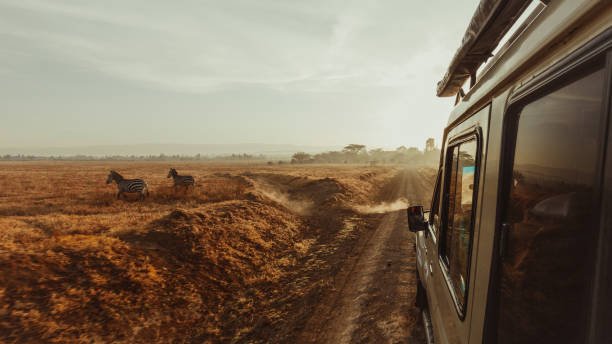
Ruaha & Nyerere Safari Cost: Southern Tanzania Fly-In Package Prices 2026-2027
Explore the cost of Southern Tanzania fly-in safaris to Ruaha and Nyerere National Parks. This guide details pricing factors, package inclusions, and planning advice for 2026-2027...
View package details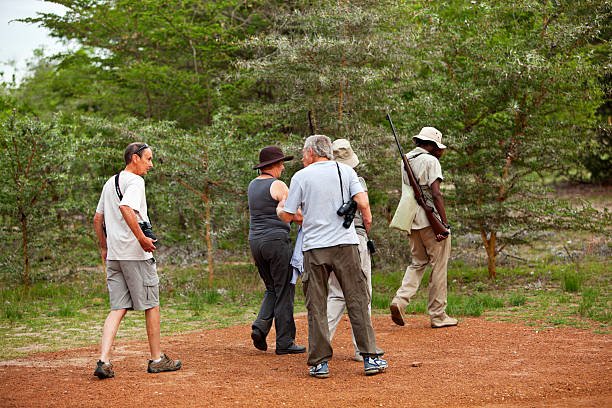
Luxury Katavi Safari – Remote Western Tanzania Packages 2026-2027
Luxury Katavi Safari – Remote Western Tanzania Packages is explained with current 2026-2027 planning, price, itinerary and booking information.
View package details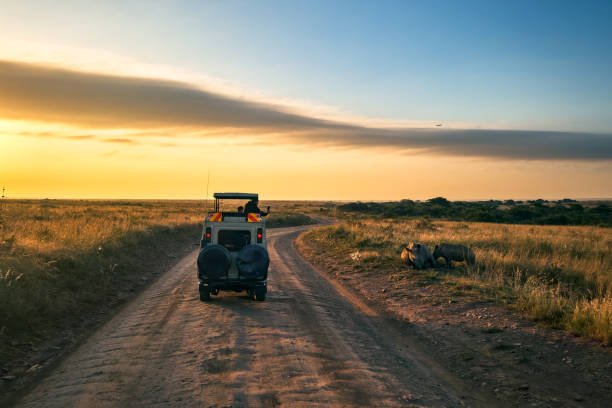
Katavi, Mahale & Serengeti Fly-In Safari – Complete Tanzania Itinerary Guide
Discover the ultimate Tanzania adventure with our detailed Katavi, Mahale, and Serengeti fly-in safari itinerary for 2026-2027. This journey combines the raw wilderness of Katavi, the...
View package details5 Days Tanzania Sharing Safari: Your Ultimate Budget-Friendly Adventure
Explore the wonders of Tanzania on an unforgettable 5 Days Tanzania Sharing Safari. This budget-friendly adventure offers a fantastic opportunity to witness the country's incredible...
View package detailsTanzania & Kilimanjaro Adventures: Your Ultimate Trekking And Safari Guide
start an unforgettable journey to Tanzania, with a special focus on the iconic Mount Kilimanjaro and thrilling wildlife safaris. This comprehensive guide covers everything you need to know...
View package details2 Days Saadani Safari From Zanzibar: Price, Itinerary & What To Expect
Discover the unique wildlife and coastal beauty of Saadani National Park on a 2-day safari from Zanzibar. This guide covers itinerary options, estimated pricing for 2026-2027, what to pack...
View package details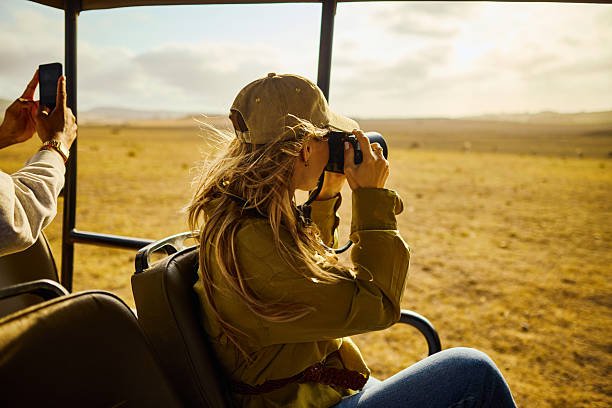
Saadani Safari From Zanzibar: Flight & Boat Packages For 2026-2027
Discover Saadani National Park, Tanzania's unique coastal wilderness, with smooth flight and boat packages from Zanzibar. This guide covers itineraries, inclusions, and planning for your...
View package detailsNo related package matches those filters. Clear one or more filters to see the other topic-matched options.



