
Mount Meru is a challenging but rewarding climb, offering spectacular views and a fantastic acclimatization opportunity for Kilimanjaro, with most treks taking 3-4 days via the popular Momella Route, suitable for reasonably fit hikers looking for an authentic Tanzanian mountain experience in 2026-2027.
Understanding Mount Meru: The Basics for Your 2026-2027 Climb
Mount Meru, standing proudly at 4,566 meters (14,980 feet), is Tanzania’s second-highest peak and a significant mountain in its own right. Often overshadowed by its colossal neighbor, Kilimanjaro, Meru offers a distinct and compelling trekking experience. It’s a dormant volcano located within Arusha National Park, providing not only a challenging ascent but also incredible wildlife viewing opportunities on its lower slopes. For many, climbing Mount Meru serves as an excellent preparation for Kilimanjaro, aiding in acclimatization and testing one’s endurance at altitude. As you plan your African adventure for 2026 or 2027, understanding the nuances of a Meru climb is crucial for a successful and enjoyable expedition.
Why Choose Mount Meru for Your 2026-2027 Trekking Adventure?
The allure of Mount Meru lies in its unique combination of factors. It’s a trek that promises solitude, stunning natural beauty, and a genuine sense of accomplishment, all without the extreme crowds found on Kilimanjaro. The diverse landscapes encountered, from lush rainforests teeming with colobus monkeys and buffaloes to the dramatic volcanic crater rim, make every step of the journey engaging. The thinner trails mean fewer trekkers, allowing for a more intimate connection with the mountain environment. Furthermore, its proximity to Arusha makes it an accessible and often combined destination with safaris or Kilimanjaro climbs, fitting perfectly into a well-rounded Tanzanian itinerary for 2026-2027.
Mount Meru vs. Kilimanjaro: A Comparative Look
While both are iconic Tanzanian peaks, Mount Meru and Kilimanjaro cater to different experiences. Kilimanjaro, Africa’s highest peak at 5,895 meters, is a much larger undertaking, typically requiring 5-9 days on the mountain and involving significantly higher altitudes. Meru, at 4,566 meters, is more accessible in terms of time commitment (usually 3-4 days) and is generally considered less technically demanding, though still a serious climb requiring good fitness. The acclimatization benefits of Meru are significant; successfully summiting Meru can prepare your body for the higher demands of Kilimanjaro, potentially increasing your chances of success on the latter. For those with limited time or seeking a less extreme challenge, Meru is an ideal choice. For the ultimate high-altitude goal, Meru is a superb stepping stone.
The Geological Story of Mount Meru
Mount Meru is a stratovolcano, a type of volcano characterized by steep profiles and periodic explosive eruptions. Its formation is linked to the East African Rift system. While it last erupted thousands of years ago, its volcanic origins are evident in the dramatic caldera and the ash-rich soils that support its unique ecosystems. The mountain’s peak, Socialist Peak, is actually the remnant of the volcano’s crater rim. Understanding its geological history adds another layer of appreciation to the trekking experience, highlighting the powerful forces that shaped this majestic landscape.
Planning Your Mount Meru Trek: Essential FAQs for 2026-2027
Successful trekking, especially on a mountain like Meru, hinges on meticulous planning. From choosing the right time to go and understanding the routes to packing appropriately and preparing physically, every detail matters. Here, we address the most common questions prospective climbers have as they look towards their 2026-2027 expeditions.
What is the Best Time to Climb Mount Meru in 2026-2027?
The ideal time to climb Mount Meru aligns with Tanzania’s dry seasons, which offer clearer skies, less rain, and more stable weather conditions. These periods are generally:
- January to March: This is a good time, characterized by warm days and cool nights. It’s outside the main rainy season, though occasional showers can occur.
- June to October: This is considered the prime trekking season. The weather is typically dry and sunny, with cooler temperatures, especially at higher altitudes. This period often offers the best visibility for panoramic views.
The shoulder months (April-May and November-December) can experience more rainfall, making trails muddy and potentially reducing visibility. While climbing is possible year-round, choosing one of the dry seasons significantly enhances the trekking experience for your 2026 or 2027 adventure.
How Difficult is Mount Meru? Is it Suitable for Beginners in 2026?
Mount Meru is considered a moderately difficult trek. It requires good cardiovascular fitness, stamina, and the ability to walk for several hours each day over varied terrain, including steep ascents and descents. The altitude is a significant factor; reaching 4,566 meters can cause altitude sickness if not properly managed. While not technically demanding (no ropes or specialized gear are usually required), the sustained effort and altitude make it a challenging climb. For beginners, it’s crucial to have a solid fitness base and to understand the risks associated with altitude. It’s often recommended as a step up from day hikes or shorter treks, and as excellent preparation for Kilimanjaro.
What are the Main Routes to the Summit of Mount Meru?
The most popular and recommended route for climbing Mount Meru is the Momella Route. It’s typically a 3-day or 4-day trek, offering a balanced experience of ascent and acclimatization. The route starts from the Momella Gate in Arusha National Park and proceeds through diverse landscapes.
A less common and more challenging route is the Road to Miriakamba Hut, which is more direct but steeper. However, the Momella Route is favored for its scenic variety and better acclimatization profile.
The Momella Route: A Detailed Look
The Momella Route is structured to allow for gradual ascent and acclimatization. A typical itinerary looks like this:
- Day 1: Momella Gate to Miriakamba Hut (2,100m / 6,890ft). This day involves a walk through the park’s lower montane forest, offering opportunities to see wildlife like giraffes, zebras, and various antelope species. The hike is about 8-10 km and takes 4-6 hours.
- Day 2: Miriakamba Hut to Saddle Hut (3,500m / 11,483ft). The trail ascends through the forest and then into the moorland zone. The views begin to open up, and you might encounter unique flora. This is a steeper climb, taking 3-5 hours.
- Day 3: Saddle Hut to Socialist Peak (4,566m / 14,980ft) and back to Miriakamba Hut. This is the summit day, starting very early (around 2-3 AM) for the challenging ascent to the peak. The path is steep and rocky, particularly the final section to the summit. After enjoying the sunrise and views from the top, you descend back to Miriakamba Hut. This day is demanding, involving 8-12 hours of trekking.
- Day 4: Miriakamba Hut to Momella Gate. A relatively easy descent back to the gate, often taking 2-3 hours.
Some operators offer a 4-day version, which adds an extra day at Saddle Hut for better acclimatization or a day hike to Little Meru, making the summit push less strenuous.
What is the Typical Duration of a Mount Meru Trek?
The standard Mount Meru trek duration is 3 days / 2 nights. However, a 4-day / 3-night itinerary is highly recommended, especially for those using Meru as acclimatization for Kilimanjaro or for trekkers who prefer a more relaxed pace with better acclimatization. The extra day allows for a more comfortable ascent and reduces the risk of altitude sickness.
What are the Costs Associated with Climbing Mount Meru in 2026-2027?
The cost of climbing Mount Meru can vary significantly depending on the tour operator, the services included, and the group size. As of recent years, and projected for 2026-2027, expect prices to range from approximately $800 to $1,500 USD per person for a standard 3 or 4-day trek. This typically includes:
- Park entry fees
- Camping fees
- Guide and porter fees
- Food during the trek
- Basic accommodation in huts
- Transfers to and from the mountain
Exclusions often include:
- Tipping for guides and porters
- Personal gear
- Travel insurance
- Lunches and dinners in Arusha
- Visa fees
Important Note for 2026-2027: It’s advisable to book your trek well in advance, especially for peak seasons in 2026 and 2027. Tour operators may have slightly different pricing structures based on inclusions and group sizes. Always request a detailed quote and understand what is covered.
What Gear Do I Need for Mount Meru?
Packing for Mount Meru requires layering for varying temperatures and conditions. Key items include:
- Clothing: Waterproof and windproof outer layers (jacket and trousers), warm fleece layers, thermal base layers (merino wool or synthetic), hiking trousers, t-shirts, hat (warm and sun protection), gloves.
- Footwear: Broken-in hiking boots, comfortable camp shoes or sandals, good quality hiking socks.
- Equipment: A comfortable backpack (40-60 liters), a smaller daypack, a sleeping bag suitable for cold temperatures (down to -10°C or 0°F), trekking poles, headlamp with extra batteries, water bottles or hydration reservoir (at least 3 liters capacity), sunglasses, sunscreen, lip balm, basic first-aid kit, personal toiletries.
- Optional: Camera, power bank, book.
Your tour operator will provide a detailed packing list. Ensure your boots are well-worn to prevent blisters.
Do I Need Travel Insurance for Mount Meru?
Yes, comprehensive travel insurance is absolutely essential for climbing Mount Meru. It should cover:
- High-altitude trekking up to 4,566 meters.
- Emergency medical evacuation, including helicopter rescue if necessary.
- Trip cancellation and interruption.
- Lost or delayed baggage.
- Medical expenses.
Ensure your policy details are shared with your tour operator before your trek.
What Vaccinations and Health Precautions Are Recommended?
Consult your doctor or a travel clinic 4-6 weeks before your trip for personalized advice. Recommended vaccinations often include:
- Hepatitis A and B
- Typhoid
- Tetanus
- Yellow Fever (may be required for entry into Tanzania)
Malaria prophylaxis is generally recommended for Tanzania, including the lower elevations around Arusha National Park. Altitude sickness medication (like Diamox) may be prescribed by your doctor, and it’s wise to discuss its use with them.
The Mount Meru Trek Experience: Daily Details and What to Expect
The journey up Mount Meru is as much about the environment and the wildlife as it is about the physical challenge. Understanding the day-to-day progression helps in setting realistic expectations for your 2026-2027 climb.
Wildlife Encounters on Mount Meru
Arusha National Park is renowned for its abundant wildlife, and the lower slopes of Mount Meru are no exception. During the initial stages of the trek, particularly on the Momella Route, you have a good chance of spotting:
- Colobus Monkeys: Easily identifiable by their striking black and white coats, these primates are often seen in the forest canopy.
- Blue Monkeys: Another common primate species in the park.
- Buffaloes: Large herds can be seen grazing on the grasslands.
- Zebras: Often found in open areas.
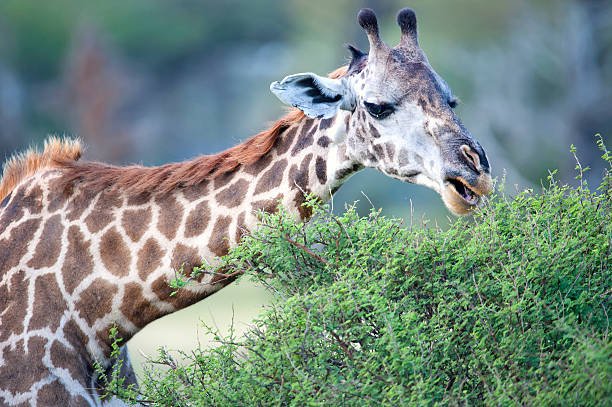
- Giraffes: Graceful giants that roam the park.
- Various Antelope Species: Including dik-diks, waterbucks, and bushbucks.
While less common, elephants and leopards also inhabit the park, though sightings are rare on the trekking routes. It’s important to remember that these are wild animals, and you will be accompanied by armed rangers on the lower slopes for safety, especially when encountering larger animals like buffaloes.
The Role of Guides and Porters on Mount Meru
Your trekking team is crucial to a safe and successful climb. For Mount Meru treks, you will typically have:
- Lead Guide: Experienced in mountain navigation, altitude sickness management, and emergency procedures.
- Assistant Guide(s): Support the lead guide and help manage the group.
- Porters: Carry the bulk of your gear, setting up camp and assisting with daily logistics.
- Armed Ranger: Mandatory for the lower forest sections of the trek to protect against wildlife.
Guides are trained to monitor your health and acclimatization. Porters ensure you only need to carry a daypack, significantly easing the physical burden. Tipping your team at the end of the trek is customary and highly appreciated.
Acclimatization Strategies for Mount Meru
Proper acclimatization is key to reaching the summit of Mount Meru and avoiding altitude sickness. The standard 3-day itinerary is fast; a 4-day trek is much better. Key strategies include:
- Ascend Slowly: The Momella Route’s gradual ascent over 3-4 days is designed for this.
- Hydrate: Drink plenty of water (3-4 liters per day).
- Avoid Alcohol and Smoking: These can exacerbate altitude effects.
- Eat Well: Maintain energy levels with nutritious meals.
- Listen to Your Body: Report any symptoms of altitude sickness (headache, nausea, dizziness) to your guide immediately.
- Consider Medication: Discuss Diamox (acetazolamide) with your doctor.
The 4-day trek’s extra day at Saddle Hut is invaluable for acclimatization, allowing your body to adjust to the higher altitude before the summit push.
Summit Night on Mount Meru: The Ultimate Challenge
Summit night is the most demanding part of the Mount Meru trek. It typically begins between 2:00 AM and 3:00 AM from Saddle Hut.
- The Ascent: The trail is steep, rocky, and often covered in scree. You’ll hike in the dark, guided by headlamps, with the cold air biting.
- Pacing: Your guide will set a slow, steady pace. The mantra is “pole pole” (slowly, slowly).
- Temperature: It can drop well below freezing, often -5°C to -10°C (14°F to 23°F), with wind chill making it feel colder.
- The View: Reaching Socialist Peak (4,566m) just before sunrise offers a spectacular reward. You’ll witness the sun rising over the plains of Tanzania, often with Kilimanjaro visible in the distance.
- Descent: After summiting, you’ll descend back to Saddle Hut for a short rest before continuing down to Miriakamba Hut. The descent is often harder on the knees and requires careful footing on the scree slopes.
The success of summit night depends heavily on physical preparation, proper acclimatization, and mental fortitude.
Environmental Considerations on Mount Meru
As with any mountain trek, respecting the environment is paramount. This includes:
- Leave No Trace: Pack out everything you pack in. Do not leave any litter behind.
- Stay on Trails: To prevent erosion and protect fragile vegetation.
- Respect Wildlife: Maintain a safe distance and never feed animals.
- Campfire Rules: Campfires are generally not permitted.
- Water Sources: Avoid polluting streams and rivers.
Responsible trekking ensures the preservation of Mount Meru’s pristine beauty for future generations, including those planning trips in 2026 and 2027.
Practicalities and Logistics for Your 2026-2027 Mount Meru Expedition
Beyond the trek itself, understanding the logistical aspects of your Mount Meru journey is vital for a smooth experience. This covers everything from booking to arrival and post-trek arrangements.
How to Book Your Mount Meru Trek
Booking your Mount Meru trek should ideally be done through a reputable local tour operator. This ensures you receive authentic support, knowledgeable guides, and fair pricing. Climb 4 Africa specializes in Tanzanian mountain expeditions and safaris, offering tailored packages for 2026-2027. Look for operators who:
- Are transparent about inclusions and exclusions.
- Have experienced, certified guides.
- Prioritize safety and responsible tourism.
- Provide clear communication and support.
Booking well in advance, especially for peak seasons in 2026 and 2027, is recommended to secure your preferred dates and ensure availability.
Getting to Mount Meru: Arrival and Transfers
Most international travelers arrive at Kilimanjaro International Airport (JRO), located between Arusha and Moshi. From the airport, your tour operator will arrange transfers to your hotel in Arusha. Arusha serves as the primary base town for Mount Meru expeditions. From Arusha, it’s a scenic drive (approximately 1-1.5 hours) to the Momella Gate of Arusha National Park, where the trek officially begins.
Accommodation Before and After the Trek
Before and after your Mount Meru climb, you’ll typically stay in hotels or lodges in Arusha. These range from budget-friendly guesthouses to comfortable mid-range hotels and luxury lodges. Your tour operator can assist with booking accommodation that suits your budget and preferences for your 2026-2027 trip.
Visa Requirements for Tanzania
Most nationalities require a visa to enter Tanzania. You can obtain a visa upon arrival at JRO, through the Tanzanian embassy or consulate in your home country, or apply for an e-visa online before your travel. Requirements and fees can change, so it’s essential to check the latest information from official government sources well before your 2026-2027 travel dates.
Currency and Payment in Tanzania
The local currency is the Tanzanian Shilling (TZS). However, US Dollars are widely accepted, especially for tourist services like tour packages, park fees, and tips. It’s advisable to carry smaller denominations of USD for tips and smaller purchases. ATMs are available in Arusha, but it’s wise to carry some cash for areas outside major towns. Credit cards are accepted in larger hotels and some shops but may incur surcharges.
Communication and Connectivity
Mobile phone reception can be intermittent on Mount Meru, especially at higher altitudes. Wi-Fi is generally available in hotels in Arusha. Purchasing a local SIM card upon arrival can be cost-effective for staying connected in towns and at lower elevations. However, expect to be largely disconnected during the trek itself, which can be a welcome opportunity to focus on the experience.
Tipping Guidelines for Your Mount Meru Crew (2026-2027)
Tipping is a significant part of the income for guides and porters in Tanzania. While not mandatory, it is customary and greatly appreciated. Recommended tipping amounts per trekker for a 3-4 day Mount Meru climb (as of recent standards, likely similar for 2026-2027) are:
- Lead Guide: $20-30 USD per day
- Assistant Guide: $15-20 USD per day
- Porters: $10-15 USD per day (shared among the team)
- Cook (if applicable): $15-20 USD per day
These amounts are usually pooled and distributed by the lead guide. Your tour operator will provide specific guidelines. It’s best to tip in USD cash at the end of the trek.
Preparing for Your Mount Meru Climb: Fitness and Mental Readiness
Physical and mental preparation are cornerstones of a successful Mount Meru climb. The mountain demands respect, and being adequately prepared will enhance your enjoyment and safety.
Physical Training Regimen for Mount Meru
Your training should focus on cardiovascular endurance, leg strength, and hiking endurance. Start 2-3 months before your trek:
- Cardio: Aim for 3-4 sessions per week of activities like running, cycling, swimming, or brisk walking. Include longer sessions (1-2 hours) on weekends.
- Hiking: Simulate trek conditions by hiking with a weighted backpack (5-10 kg) on hilly terrain.
- Strength Training: Focus on leg exercises (squats, lunges, calf raises) and core strengthening.
- Stair Climbing: An excellent way to build leg strength and stamina for ascents.
The goal is to be able to hike for 6-8 hours a day with a pack comfortably. If you plan to climb Kilimanjaro after Meru in 2026-2027, ensure your training reflects the longer durations and higher altitudes.
Mental Preparation for the Challenge
Mount Meru is as much a mental challenge as a physical one. Summit night, in particular, requires perseverance. Strategies include:
- Set Realistic Expectations: Understand that the climb is tough and altitude can affect anyone.
- Positive Visualization: Imagine yourself successfully reaching the summit.
- Develop Coping Mechanisms: For fatigue, cold, and discomfort.
- Trust Your Guide: They are experienced professionals who will guide you through challenges.
- Embrace the Journey: Focus on the experience, the scenery, and the accomplishment, not just the summit.
Nutrition and Hydration During the Trek
Your tour operator will provide meals, which are typically hearty and designed to provide sustained energy. Expect a mix of carbohydrates, proteins, and fats. Breakfast might include porridge or eggs, lunch often involves sandwiches or rice dishes, and dinner could be stews or pasta. Always drink plenty of water. Dehydration can worsen altitude sickness symptoms, so make it a priority to stay hydrated throughout your 2026-2027 Mount Meru trek.
Altitude Sickness: Symptoms and Management
Altitude sickness (Acute Mountain Sickness – AMS) is a common concern. Symptoms can include:
- Headache
- Nausea and vomiting
- Dizziness
- Fatigue
- Loss of appetite
- Difficulty sleeping
In severe cases, it can progress to more dangerous conditions like High Altitude Pulmonary Edema (HAPE) or High Altitude Cerebral Edema (HACE). The best prevention is slow ascent and proper acclimatization. If symptoms occur, inform your guide immediately. They may advise rest, medication, or descent. Never ascend with symptoms of altitude sickness.
Beyond the Summit: Post-Trek Activities and Considerations
Reaching the summit of Mount Meru is a significant achievement, but your Tanzanian adventure doesn’t have to end there. Consider these options for after your trek in 2026-2027.
Combining Mount Meru with a Kilimanjaro Climb
As mentioned, Mount Meru is an excellent acclimatization climb for Kilimanjaro. Many trekkers use a 3 or 4-day Meru trek followed immediately by a Kilimanjaro climb (e.g., Machame or Lemosho routes). This combination provides a fantastic introduction to high-altitude trekking in Tanzania, enhancing your preparedness for the higher and longer climb. Planning this combined trip for 2026 or 2027 requires careful coordination with your tour operator.
Tanzania Safaris: Exploring the Plains
Tanzania is world-renowned for its exceptional wildlife safaris. After your trek, you can start safaris to iconic parks:
- Serengeti National Park: Famous for the Great Migration and vast predator populations.
- Ngorongoro Conservation Area: Home to the Ngorongoro Crater, a unique ecosystem with dense wildlife.
- Tarangire National Park: Known for its large elephant herds and baobab trees.
- Lake Manyara National Park: Famous for its tree-climbing lions and birdlife.
Climb 4 Africa offers a variety of safari packages that can be seamlessly integrated with your Mount Meru trek for a complete Tanzanian experience in 2026-2027.
Zanzibar Holidays: Relaxation by the Ocean
For a perfect contrast to the mountain and safari adventures, consider a relaxing holiday on the exotic island of Zanzibar. Known for its pristine beaches, turquoise waters, spice tours, and rich history in Stone Town, Zanzibar offers a tranquil end to your African journey. It’s an ideal destination to unwind after the physical exertion of Mount Meru and safari drives.
Responsible Tourism Practices
When planning your 2026-2027 travels, consider operators who champion responsible tourism. This includes fair treatment of staff, minimizing environmental impact, and contributing positively to local communities. Choosing a local operator like Climb 4 Africa ensures your tourism expenditure directly benefits the Tanzanian economy and its people.
Final Thoughts on Your Mount Meru Adventure in 2026-2027
Mount Meru offers a profound trekking experience, blending physical challenge with impressive scenery and abundant wildlife. It’s a mountain that rewards preparation, resilience, and a spirit of adventure. Whether you’re using it as a stepping stone to Kilimanjaro or as a standalone achievement, the climb promises unforgettable memories.
As you finalize your plans for 2026 or 2027, remember that meticulous preparation, choosing the right operator, and respecting the mountain environment are key to a successful and fulfilling expedition. For expert guidance and tailor-made itineraries that include Mount Meru climbs, Kilimanjaro treks, and Tanzanian safaris, don’t hesitate to reach out.
Ready to plan your Mount Meru trek for 2026-2027? Contact Climb 4 Africa today for personalized advice and booking assistance. You can reach us via WhatsApp at +255 747 477 898 or by email at climb4africa@gmail.com. Let us help you craft your ultimate Tanzanian adventure!
Check Availability for Mount Meru Faqs: Your Ultimate Guide For Treks 2026-2027
Ready to compare dates, prices, and the best option for your group? Send the package name and travel month so the team can reply with a clear quote, availability, and what is included.
5 Days Mahale Mountains Chimpanzee Safari – Complete Package For 2026-2027
Discover the ultimate 5 Days Mahale Mountains Chimpanzee Safari. This complete package from Climb 4 Africa offers an unparalleled opportunity to witness wild chimpanzees in Tanzania's...
View package details
Gombe Chimpanzee Trekking Fees – Total Cost Explained 2026-2027
Gombe Chimpanzee Trekking Fees – Total Cost Explained is explained with current 2026-2027 planning, price, itinerary and booking information.
View package details
Gombe Safari From Kigoma – Chimp Trekking, Boat & Accommodation Guide
Discover the magic of Gombe Stream National Park with this comprehensive guide to planning your safari from Kigoma. Learn about chimp trekking, boat excursions, accommodation choices, and...
View package details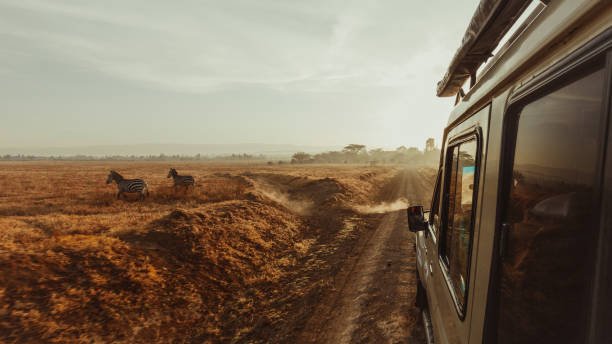
3 Days Gombe Chimpanzee Trekking: Cost, Itinerary & Expert Tips For 2026-2027
Discover the magic of Gombe Stream National Park with a 3-day chimpanzee trekking experience. This guide covers the essential itinerary, estimated costs for 2026-2027, and practical advice...
View package details
Katavi Fly-In Safari From Arusha – Your Complete Private Package 2026-2027
Discover the ultimate Katavi fly-in safari from Arusha with Climb 4 Africa's comprehensive private package. This guide details itineraries, what's included, pricing considerations for...
View package details
Mahale Fly-In Safari From Arusha – Flights, Chimp Trekking & Prices Guide
Discover the magic of Mahale Mountains National Park with a fly-in safari from Arusha. This guide covers essential details on flights, the unforgettable experience of trekking with...
View package details
4 Days Mahale Chimpanzee Safari: Itinerary & Price Guide 2026-2027
Explore a concise 4-day itinerary for Mahale Mountains National Park, focusing on chimpanzee trekking. This guide covers typical costs, what's included, and essential planning tips for your...
View package detailsPrivate Katavi & Mahale Chimpanzee Safari: Prices, Itinerary & Planning
Discover the ultimate private safari experience in Tanzania's remote Katavi and Mahale Mountains National Parks. This guide details exclusive chimpanzee trekking, wildlife viewing, typical...
View package details
Katavi & Mahale Safari Cost /: Flights, Lodges & Chimp Trekking Explained
Understand the estimated costs for a 2026/2027 safari to Katavi and Mahale National Parks in Tanzania, covering flights, accommodation, chimp trekking permits, and essential budget...
View package detailsKilimanjaro Deaths 2026-2027
Kilimanjaro Deaths 2026 is explained with current 2026-2027 planning, price, itinerary and booking information.
View package detailsYanga Africans : Your Ultimate Tanzania Safari And Kilimanjaro Adventure
Your comprehensive guide to planning a Yanga Africans 2026 adventure, covering Kilimanjaro climbs, Tanzania safaris, Zanzibar holidays, and essential travel tips for 2026-2027.
View package detailsYanga Day /: Planning Your Celebration And Travel In Tanzania 2026-2027
Yanga Day, celebrated annually on February 2nd, is a significant cultural event in Tanzania, particularly in the coastal regions. This article explores its meaning, traditions, and how to...
View package detailsNo related package matches those filters. Clear one or more filters to see the other topic-matched options.



